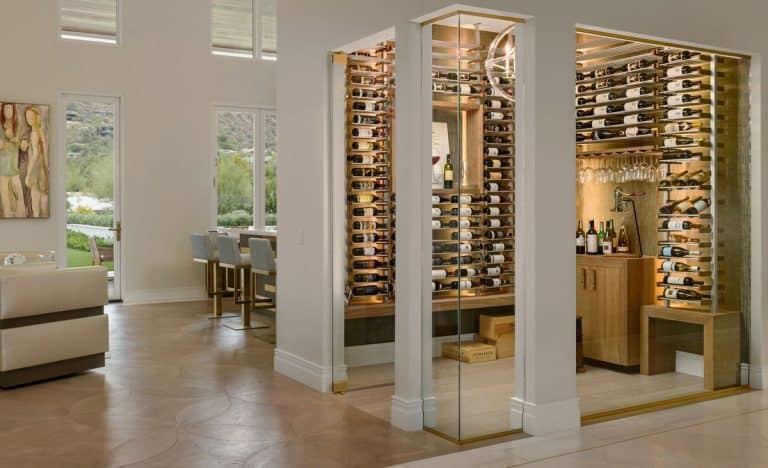
Did you know improper storage conditions can ruin up to 20% of wine collections annually? Yikes! As a wine enthusiast, you know that your precious bottles deserve the best care possible. That’s where wine cellar climate control comes in.
In this guide, we’ll uncork the secrets to maintaining the perfect environment for your liquid treasures. From temperature fluctuations to humidity levels, we’ve got you covered.
So, grab a glass of your favorite vintage, and let’s explore the world of wine cellar climate control!
Welcome to Didi Somm, and Cheers!
Important Notice: The information in this article is for general and public information purposes only. It solely reflects Didi Somm’s or his Staff’s opinion, and no responsibility can be assumed for errors or omissions in the service’s contents. For details, please check the Disclaimer at the bottom of the homepage.
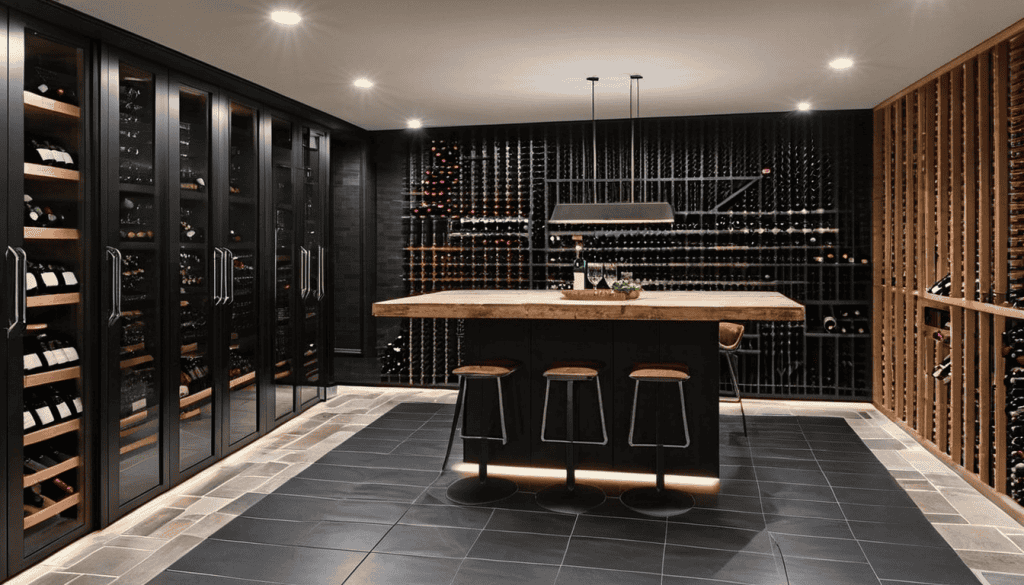
Key Takeaways
Understanding the Importance of Wine Cellar Climate Control
Let me tell you, when I first got into wine collecting, I had no clue how crucial climate control was. I mean, wine’s just grapes in a bottle, right? Wrong! Oh, did I learn that lesson the hard way.
Picture this: It’s about 15 years ago, and I’m proud of my growing wine collection. I’d stashed my precious bottles in a spare closet, thinking they were safe and sound. Fast forward a few years, and I’m excited to crack open an exceptional Cabernet I’d saved for my anniversary. But when I pulled out that bottle, my heart sank. The label was peeling off, the cork looked funky, and when I finally poured it… well, let’s say it wasn’t the romantic evening I’d planned.
That’s when I dove headfirst into learning about wine cellar climate control. It turns out there’s a whole science behind how wine ages and climate plays a massive role. Who knew?
Here’s the deal: Wine is alive, folks. It’s constantly evolving in the bottle, and the environment it’s stored in can make or break its development. Temperature, humidity, light, and even vibration all play a part in this delicate dance.
Temperature
Let’s talk temperature first. Ideally, you want to keep your wine collection between 55°F and 59°F (12°C to 15°C). Why? Because this sweet spot slows down the aging process just enough to let those complex flavors develop without spoiling the wine. I learned that temperature fluctuations are a big no-no. They cause the wine to expand and contract, which can lead to seepage or even push the cork out slightly, letting air in. And trust me, oxidized wine is not something you want to experience.
Humidity
Humidity is another biggie. After my label-peeling incident, I discovered that the ideal humidity for a wine cellar is between 60% and 70%. Too low, and your corks dry out, letting air seep in (there’s that pesky oxidation again). Too high, and you’re inviting mold to the party. Not to mention, damp labels are a collector’s nightmare.
Light exposure
Light exposure? That’s a sneaky one. UV rays can degrade and prematurely age wine. I once left a bottle of Chardonnay on my kitchen counter for a few weeks (rookie mistake), and it ended up tasting like a weird, cooked-fruit soup. Not exactly what I was going for.
Benefits of Climate Control
But here’s the thing: when you nail the climate control, the benefits are amazing. A well-controlled environment lets your wines age gracefully, developing those complex flavors and aromas that make aged wines so special. It’s like giving your wines a comfy retirement home where they can reach their full potential.
Since my closet disaster, I’ve invested in a proper climate-controlled wine cellar, and let me tell you, it’s been a game-changer. So, if you’re serious about wine, don’t make the same mistakes I did. Pay attention to your storage conditions.
Key Factors in Wine Cellar Climate Control
Alright, let’s examine the key factors of climate control in wine cellars. You know how Goldilocks wanted everything “just right”? Well, she’d make one heck of a wine collector. When it comes to wine storage, we’re looking for that perfect sweet spot in many areas.
Storage Temperature
Let’s start with temperature. When I first heard about the ideal wine storage temperature, I thought, “Seriously? That specific?” But trust me, it matters. We’re aiming for what I like to call the “Goldilocks zone” -not too hot, not too cold, but just right. For most wines, that’s between 55°F and 59°F (13°C to 15°C).
I learned this the hard way when I left a case of my favorite Merlot in my garage during a heatwave. Big mistake. Huge. When I finally cracked open a bottle, it tasted more like jam than wine. Heat speeds up the aging process, you see, and not in a good way. On the flip side, I once stored some white wine in my regular fridge for months (don’t judge, I was young!). It came out tasting… well, kinda dead. Too cold, and the wine’s aging process stops in its tracks.
Humidity
Now, let’s talk humidity. This one’s tricky because it’s all about balance. Too little humidity and your corks dry out faster than beef jerky in the Sahara. Too much, and you’re basically inviting mold to a party in your wine cellar. The sweet spot? About 60% to 70% relative humidity.
I once visited a friend’s cellar, which was way too dry. He proudly pulled out a bottle, and the cork crumbled like a sand castle. Ouch. That’s what happens when corks dry out – they let air in, and boom, oxidized wine. No bueno.
UV rays
Light exposure is another sneaky factor. UV rays are like kryptonite to wine. They break down the complex molecules that give aged wine its incredible flavors and aromas. I learned this when I displayed a nice Chardonnay on my kitchen windowsill. It looked pretty, sure, but after a few weeks in the sun, it tasted about as complex as grape juice.
Vibration
Lastly, let’s chat about vibration. This one surprised me. I used to keep some wine on a rack near my washing machine. It was a bad idea. Constant vibration can disturb the sediment in the wine, messing with the aging process. It’s like trying to take a nap while someone’s jackhammering next door—not conducive to graceful aging.
Takeaway
The takeaway? Creating the perfect environment for your wine is like conducting a symphony. All these elements need to work together harmoniously. It might seem like a lot of fuss, but when you taste a perfectly aged wine that’s been stored just right, it’s pure magic.
Remember, your wine’s living and breathing in that bottle. Treat it right, and it’ll reward you with incredible flavors and aromas that only time can create.
Optimal Temperature Settings for Your Wine Cellar
Let’s discuss getting the temperature settings just right for your wine cellar. Trust me, this is crucial!
So, picture this: It’s a sweltering summer day, and I’m in my newly set-up wine cellar, fiddling with the thermostat like a mad scientist. Why? I’d just learned about the importance of optimal temperature for wine storage, and boy, was I determined to get it right this time!
Here’s the scoop: for most wines, the ideal temperature for long-term storage is between 55°F and 59°F (13°C to 15°C). I know, I know, it seems weirdly specific, right? But there’s a method to the madness. This range is cool enough to slow down the aging process but not so cold that it stops altogether. It’s like putting your wine in a comfy hibernation pod!
Now, let me tell you about the time I learned the hard way about temperature fluctuations. I had this brilliant (or so I thought) idea to save energy by turning off the cooling system in my cellar at night. Big mistake. Huge. I ended up with a bunch of bottles where the corks had slightly pushed out. Why? Because as the temperature goes up and down, the wine expands and contracts, pushing against the cork. Do this enough times, and you’re basically playing a game of ‘wine roulette’ every time you open a bottle.
But here’s where it gets really interesting: different wines actually prefer slightly different temperatures. Mind. Blown. I’ve got my cellar set up with different zones now. My full-bodied reds hang out around 58°F (14°C), while the lighter whites and sparklings chill at a cooler 45°F (7°C). It’s like a wine neighborhood, with each type in its own cozy little district.
Maintaining consistent temperatures year-round? Now, that’s the real challenge. Especially if you live somewhere with crazy seasonal changes like I do. Here’s what I’ve learned:
- Insulation is your best friend. I packed those cellar walls with insulation like I was preparing for a wine apocalypse.
- Invest in a good cooling system. It might hurt the wallet initially, but it’s worth every penny.
- Keep your cellar away from external walls if possible. My first cellar was against an outer wall, and let me tell you, temperature control was a nightmare.
- Use a backup power source. Nothing spikes your blood pressure quite like a power outage when you’ve got hundreds of bottles depending on climate control.
- Monitor, monitor, monitor. I check my cellar temp at least once a day. Call me paranoid, but after losing a few good bottles to temperature mishaps, I’m not taking any chances!
Pro tip
I wish I’d known earlier: Give your cooling system some breathing room. I once crammed mine into a tight corner, and the poor thing was working overtime trying to cool the cellar. Lesson learned: efficiency matters!
So, take it from someone who’s made almost every temperature-related mistake in the book: get your cellar temps right, keep them steady, and your wine will thank you. And when you’re sipping on that perfectly aged Bordeaux in a few years? You’ll thank yourself, too. Cheers to perfect temps and happy wines!
Mastering Humidity Control in Your Wine Cellar
Oh boy, let’s talk about humidity in wine cellars. If you think this is gonna be dry (pun totally intended), think again! This is the stuff that kept me up at night when I first started getting serious about wine storage.
So there I was, feeling pretty smug about my temperature-controlled wine cellar when I noticed something funky on one of my prized bottles. The label was starting to peel off! And let me tell you, nothing bursts your wine collector bubble quite like watching the label on your expensive Château Margaux slowly disintegrate. That’s when I realized I’d been neglecting a crucial part of wine storage: humidity control.
Here’s the deal: humidity is like Goldilocks’ porridge for wine corks. Too little, and they dry out faster than my Uncle Bob’s jokes at Thanksgiving. Too much, and you’re basically inviting mold to a fancy wine party. The sweet spot? About 60% to 70% relative humidity.
Why does this matter so much? Well, it’s all about the cork, baby. These little guys are the unsung heroes of wine preservation. They must stay moist enough to maintain a good seal (keeping oxygen out) but not so damp that they start growing fuzzy green stuff. Trust me, “penicillin” is not a tasting note you want in your wine.
I learned about the dangers of low humidity the hard way. I had a few bottles stored in a dry area of my basement, and when I went to open one, the cork crumbled like a sandcastle at high tide. Oxidized wine is not a fun surprise, let me tell you. Low humidity causes corks to shrink and dry out, letting air seep in and turning your precious vino into fancy vinegar.
On the flip side, high humidity can be just as problematic. Remember that peeling label incident I mentioned? That’s small potatoes compared to what high humidity can do. I once visited a friend’s cellar that was way too humid. It was like a sauna in there! His bottles were growing more fuzz than a Chia Pet. Mold on labels, mold on corks… it was a moldy mess. Not to mention, damp labels are a collector’s nightmare. Try proving the provenance of a bottle when the label looks like it went through the wash!
How to maintain a perfect humidity balance?
- Invest in a good hygrometer. It’s like a mood ring for your cellar.
- Use a humidifier or dehumidifier as needed. I’ve got both, ready to battle it out for humidity supremacy.
- Avoid storing wine in cardboard boxes long-term. They soak up moisture like a sponge.
- If you live in a dry climate, try placing a pan of water in your cellar. It’s low-tech, but it works!
- In humid areas, use moisture-absorbing crystals or a dehumidifier.
- Check your cellar regularly. I make it a weekly date night with my wines. Romantic, right?
Proper humidity control is like giving your wines a nice, comfy spa day. They’ll age gracefully, maintain their integrity, and be ready to wow you when it’s time to pop that cork. And isn’t that what it’s all about? Creating those perfect moments when you finally get to enjoy the fruits (or grapes) of your labor?

Ventilation and Air Circulation in Wine Cellars
Alright, let’s chat about ventilation and air circulation in wine cellars. Now, I know what you’re thinking – “Seriously? We need to talk about air?” Trust me, I reacted similarly when I first dove into this wine storage rabbit hole. But let me tell you, this stuff is more important than a corkscrew at a wine tasting!
So picture this: It’s about five years ago, and I’m feeling pretty darn proud of my climate-controlled wine cellar. Temperature? Check. Humidity? Nailed it. But then I noticed this funky smell every time I opened the door. It was like a mix of wet cardboard and my old gym socks—not exactly the bouquet you want wafting over your prized Bordeaux collection!
That, my friends, is when I learned about the importance of proper ventilation in a wine cellar. Turns out, air circulation isn’t just about keeping things fresh – it plays a crucial role in maintaining a stable environment for your precious vino.
Here’s the deal: stagnant air is like an all-you-can-eat buffet for mold and mildew. And let me tell you, those uninvited guests can crash your wine party faster than you can say “Cheers!” Good airflow helps prevent these nasties from setting up shop on your corks and labels.
Ventilation Systems: Two options – natural and mechanical
Now, when it comes to ventilation systems, you’ve got two main options: natural and mechanical. At first, I tried the natural route. I’d open the cellar door every day, fan the air around like a madman, and hope for the best. Spoiler alert: it didn’t work out so well. My wines were fine, but I’m pretty sure my family thought I was losing it.
So, I bit the bullet and invested in a mechanical ventilation system. It’s a game-changer! It keeps the air moving constantly, helping to maintain consistent temperature and humidity levels throughout the cellar. No more hot spots or damp corners!
Balance ventilation with temperature and humidity control
But here’s where it gets tricky: you’ve gotta balance ventilation with temperature and humidity control. Too much airflow can mess with your carefully calibrated environment. I learned this the hard way when I cranked up my new ventilation system to eleven. My hygrometer went crazy, and I spent the next week juggling humidity levels like a circus performer.
Odors
And let’s talk about odors for a second. Wine is like a sponge – it’ll soak up any funky smells floating around. I once stored some pungent cheese in my cellar (don’t ask), and I swear I could taste it in my Chardonnay months later. Now, I’m religious about keeping smelly stuff out of the cellar. No more impromptu cheese tastings in there!
Some pro tips:
- Use activated charcoal filters in your ventilation system. They’re like a Brita filter for your cellar air.
- Keep your cellar clean. Sounds obvious, but you’d be surprised how much this helps with air quality.
- If you’re using a mechanical system, ensure it’s sized right for your space. Too small, and it’s like trying to cool the Sahara with a desk fan.
- Consider a system with variable speed. It’ll help you fine-tune your airflow without going overboard.
- Don’t forget about the spaces between your wine racks. Good air circulation there is key to preventing microclimates.
Oh, and here’s a funny story: I once got so paranoid about air quality that I started diffusing lavender essential oil in my cellar. Let’s just say that experiment ended with some very… interesting tasting notes. Lesson learned: sometimes less is more when it comes to “cellar aromatherapy!”
Remember, good ventilation is like giving your wines a breath of fresh air. It keeps them happy, healthy, and free from funky odors. So go ahead, let your wines breathe easy. Your nose (and your taste buds) will thank you!
Wine Cellar Climate Control Systems and Equipment
Let’s explore the world of climate control systems and equipment for your wine cellar. Buckle up because this is where things get as technical as a sommelier’s tasting notes!
I remember when I first started researching climate control systems for my cellar. It was like trying to decipher a foreign language written in hieroglyphics. Through-the-wall? Split systems? Ducted systems? I felt like I needed an engineering degree just to keep my Pinot Noir happy!
Let me tell you about my first attempt at climate control. I thought I’d be clever and save a few bucks by using a regular old window AC unit. Big mistake. Huge. Not only did it struggle to maintain a consistent temperature, but it also sucked out all the humidity faster than you can say “corked wine.” I ended up with a cellar that was colder than a penguin’s toenails and drier than the Atacama Desert (in Chile). Not exactly ideal for aging fine wines!
Through-the-wall units
Through-the-wall units are like the studio apartments of climate control. They’re compact, self-contained, and perfect for smaller cellars. I used one of these in my first “real” cellar (aka, the closet under the stairs that I commandeered). It worked like a charm for that space.
Split systems
Split systems, on the other hand, are the fancy lofts of the wine cellar world. They’ve got an evaporator inside the cellar and a condenser outside. These bad boys are quieter and more efficient, but installation can be trickier than pronouncing “Gewürztraminer” after a few glasses.
Ducted systems
Ducted systems? Think of these as the mansions of climate control. They’re perfect for larger cellars or if you want to control multiple rooms. I drooled over these for years before finally biting the bullet and installing one in my current cellar. It’s like the Rolls-Royce of wine storage!
Now, let’s talk about components. You’ve got your cooling units, which are the workhorses of any climate control system. Then, there are humidifiers and dehumidifiers, which are like the yin and yang of moisture control. I once made the mistake of skimping on the humidifier, and let’s just say my corks were not amused. Lesson learned: don’t cheap out on the essentials!
Oh, and don’t get me started on smart climate control technology. It’s like having a 24/7 sommelier watching over your wines. I can check the temperature and humidity in my cellar from my phone anytime, anywhere. It’s almost too convenient.
Choosing the right system for your cellar size and budget is crucial. It’s like Goldilocks and the Three Bears, but with more alcohol involved. Too small a system, and your wines will be sweating like me trying to pronounce French wine names. Too big, and you’re wasting energy (and money) faster than you can say “Château Lafite Rothschild.”
Pro tips:
- Always overestimate your cooling needs. It’s better to have a little extra capacity than not enough.
- Consider your cellar’s location. A cellar in your sun-baked attic will need more cooling power than one in a cool basement.
- Don’t forget about noise levels. Unless you want your wine cellar sounding like a jet engine, pay attention to those decibel ratings.
- Plan for the future. If you think your collection might grow (and let’s face it, it probably will), factor that in when choosing your system.
Remember, a good climate control system is like a great bottle of wine – it might be a bit of an investment upfront, but it’s worth it in the long run. Your wines will age gracefully, and you’ll sleep soundly, knowing your liquid treasures are in good hands.

DIY Climate Control Tips for Small Wine Collections
All right, fellow wine enthusiasts, let’s chat about DIY climate control for those who aren’t ready to convert our entire basement into a wine vault. Trust me, I’ve been there and done that, and boy, do I have some stories for you!
Picture this: It’s about a decade ago, and I’m living in a tiny apartment with a growing wine obsession. My collection had outgrown the kitchen counter, but I wasn’t exactly rolling in dough to build a fancy cellar. Sound familiar? That’s when I embarked on my DIY wine storage adventure.
First things first: creating a mini wine cellar in your home. Now, when I say “cellar,” I’m using that term loosely. My first attempt was basically a repurposed coat closet. I evicted my winter jackets and turned it into a cozy little wine nook. Pro tip: closets are great because they’re already insulated by walls on all sides. Just don’t forget to tell your guests where you’ve hidden their coats!
When it comes to affordable climate control solutions for small spaces, let me tell you, creativity is key. I once used a small, portable air conditioner combined with a humidifier to create a makeshift climate control system. Was it perfect? Nope. Did it work? Surprisingly well! Just be prepared for some trial and error. And maybe invest in a good mop for when your DIY humidifier decides to go rogue.
Wine Refrigerators and Coolers
Now, let’s talk about wine refrigerators and coolers. These babies are like the studio apartments of the wine storage world – compact, efficient, and perfect for small collections. I started with a 12-bottle cooler, and let me tell you, it was a game-changer. Just remember, not all wine fridges are created equal. I once bought a cheap one that vibrated so much, I’m pretty sure my Merlot thought it was in a massage chair.
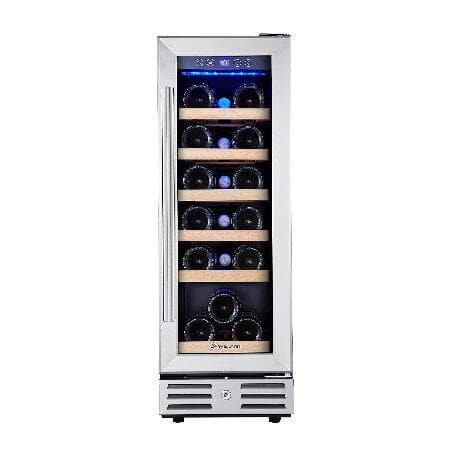
Here’s a nugget of wisdom I wish I’d known earlier: dual-zone wine fridges are worth their weight in gold (or should I say, worth their weight in Grand Cru?). They let you store your reds and whites at different temperatures. No more playing musical bottles every time you want to serve a different variety!
Monitoring and adjusting conditions without expensive equipment? Now, that’s where the real DIY spirit comes in. I became a master of the el cheapo hygrometer and thermometer combo. Slap those babies in your wine space, and voila! Instant monitoring system. Just be prepared to check them more often than you check your social media.
Oh, and here’s a fun hack I discovered: those little silica gel packets? They’re great for controlling humidity in small spaces.
Some more tips:
- Insulation is your friend. I once wrapped my entire DIY wine closet in reflective insulation. It looked like a space station, but boy, did it keep the temperature stable!
- Darkness is crucial. I learned this the hard way when I stored some wine in a sunny spot. Hello, cooked wine! Now I’m all about heavy curtains and dark corners.
- Consistency is key. It’s better to keep your wine at a consistent 60°F than to have it fluctuate between a perfect 55°F and a too-warm 70°F.
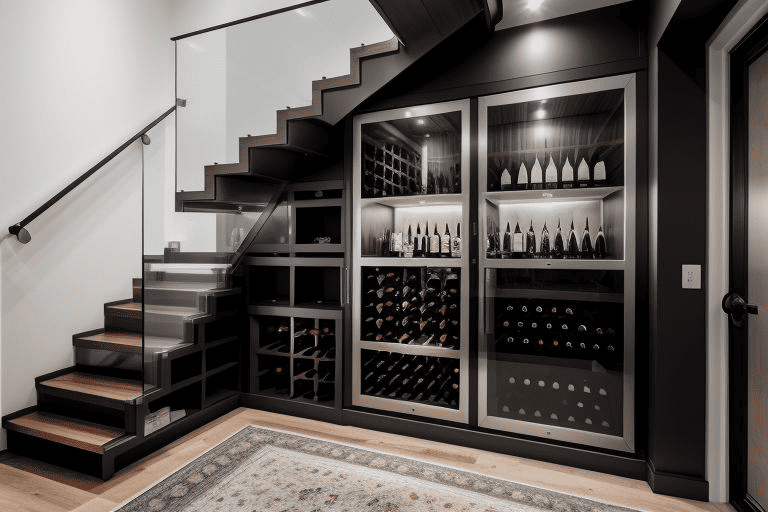
- Get creative with placement. With a little ingenuity, under-stairs spaces, unused cabinets, and even that weird alcove in your hallway can become a wine storage area.
- Beware the kitchen fridge! It’s too cold and too dry for long-term wine storage. I made this mistake once and ended up with some very unhappy Chardonnay.
Remember, you don’t need a sommelier’s budget to store your wine properly. With creativity and some DIY spirit, you can create a perfectly adequate storage space for your precious bottles.
Professional Wine Cellar Design and Installation
Let’s talk about the big leagues: professional wine cellar design and installation. Now, I know what you’re thinking – “Professional? That sounds expensive!” And yeah, it can be. But let me tell you, after years of DIY adventures, working with a pro was like upgrading from Two-Buck Chuck to Château Margaux.
So picture this: It’s about three years ago, and I’ve finally decided to take the plunge and convert my basement into a proper wine cellar. I figured, “How hard can it be? I’ll just slap up some racks and call it a day!” Oh, sweet summer child. I was in for a rude awakening.
Working with a wine cellar designer or contractor is like having a wine fairy godparent. These folks know their stuff, and they’ll think of things you never even considered. For example, my designer suggested a slight slope in the floor for drainage. Drainage! In a wine cellar! But trust me, the first time I spilled a bottle (it happens to the best of us), I was sending that designer mental thank-you notes.
Now, let’s discuss incorporating climate control into new cellar construction. This is where the magic happens, folks. When you build from scratch, you can create the perfect environment for your wines. It’s like designing a five-star hotel for your bottles.
I remember when my contractor started talking about vapor barriers and thermal breaks. I nodded along like I understood, but inside, I thought, “Is this a wine cellar or a space shuttle?” It turns out all that technical mumbo-jumbo is crucial for maintaining the perfect climate. Who knew?
But what if you’re not starting from scratch? Retrofitting existing spaces for optimal wine storage can be trickier than pronouncing “Gewürztraminer” after a few glasses. I once tried to convert an old pantry into a wine room. Let’s just say it involved more sledgehammers and cursing than I care to admit. A pro would have saved me a lot of headaches (and probably a few toes).
Energy efficiency
Energy efficiency in cellar design is another beast altogether. I used to think, “Hey, as long as it’s cold, we’re good, right?” Wrong! It turns out that an energy-efficient cellar is better for the planet and easier on your wallet in the long run. My designer introduced me to things like LED lighting and high-efficiency cooling systems. Now my cellar is so green, I’m pretty sure it’s carbon-neutral. Take that, climate change!
Pro Tips:
- Don’t skimp on insulation. Seriously. It’s like a cozy blanket for your wine.
- Consider the location carefully. That sunny room might seem perfect, but your cooling system will work overtime.
- Growth plan. Trust me, your collection will expand faster than you think.
- Don’t forget about lighting. You want to show off those labels, but too much light can harm the wine.
- Invest in a good door. It’s the gatekeeper of your cellar’s climate.
One word of caution: Once you “go pro,” it’s hard to go back. I recently visited a friend’s DIY cellar and caught myself silently critiquing his vapor barrier (or lack thereof). I’ve become a wine storage snob! But hey, our bottles deserve the best, right?
Remember, whether you’re working with a pro or going the DIY route, the goal is to create a happy home for your wines. Because at the end of the day, there’s nothing quite like pulling a perfectly aged bottle from your very own cellar.
Personal Tip: For a comprehensive guide on wine cellar cooling units and insights into selecting the right system, I recommend you check the following website: Wine Enthusiast
FAQ – Wine Cellar Climate Control
1. Q: Why is climate control important for wine storage?
A: Climate control is crucial because it affects wine’s aging process. Proper temperature and humidity levels help preserve the wine’s quality, flavor, and aroma over time.
2. Q: What is the ideal temperature for storing wine?
A: The ideal temperature range for most wines is between 55°F and 59°F (13°C to 15°C).
3. Q: How does humidity affect wine storage?
A: Humidity levels between 60% and 70% are ideal. Too low humidity can dry out corks, leading to oxidation, while too high humidity can promote mold growth.
4. Q: Can I store wine in my regular refrigerator?
A: Regular refrigerators are not ideal for long-term wine storage. They’re too cold and dry, which can damage the wine and dry out the corks.
5. Q: How does light affect stored wine?
A: UV light can degrade and prematurely age wine. It’s best to store wine in a dark place or use UV-resistant materials in your cellar.
6. Q: What are the options for climate control systems in a wine cellar?
A: Options include through-the-wall units, split systems, and ducted systems. The choice depends on cellar size, budget, and specific needs.
7. Q: Can I create a DIY wine storage solution?
A: Yes, DIY solutions are possible for small collections. Options include repurposed closets, small wine refrigerators, or coolers with added humidity control.
8. Q: How often should I check the conditions in my wine cellar?
A: It’s best to monitor temperature and humidity regularly, ideally daily. Many modern systems allow for remote monitoring via smartphone apps.
9. Q: Are vibrations harmful to stored wine?
A: Yes, constant vibrations can disturb the sediment in wine and negatively affect the aging process. Avoid storing wine near appliances that vibrate.
10. Q: What should I consider when designing a wine cellar?
A: When designing a cellar, consider factors like insulation, vapor barriers, drainage, lighting, door quality, and future collection growth.
11. Q: How can I control humidity in a small wine storage area?
A: For small spaces, you can use portable humidifiers/dehumidifiers or even silica gel packets to help control humidity levels.
12. Q: Is it worth investing in a professional wine cellar design?
A: For serious collectors or large collections, professional design can ensure optimal conditions, energy efficiency, and proper integration of climate control systems.
13. Q: What’s the difference between a single-zone and dual-zone wine refrigerator?
A: Single-zone fridges maintain one temperature throughout, while dual-zone allow for different temperatures in separate compartments, ideal for storing both red and white wines.
14. Q: How does proper climate control affect the long-term value of wine?
A: Proper climate control ensures that wine ages gracefully, potentially increasing its value over time and preserving its quality for optimal enjoyment.
15. Q: Can I use a regular air conditioner for my wine cellar?
A: Regular air conditioners are not ideal as they remove humidity. Wine cellar cooling systems are designed to maintain temperature and humidity levels suitable for wine storage.
Conclusion
Cheers to perfect wine cellar climate control! By mastering the art of temperature, humidity, and ventilation management, you ensure that every bottle in your collection reaches its full potential.
Remember, a well-controlled environment is the secret ingredient to preserving those special vintages for years. So, whether you’re a seasoned collector or just starting your wine journey, investing in proper climate control is a decision your future self (and taste buds) will thank you for.
Now, go forth and create the perfect home for your beloved wines – they deserve nothing less than the royal treatment!
Good luck and enjoy!
For your reference, the latest articles by Didi Somm include:
- Small Space Wine Storage Solutions – 10 Great Ideas
- How to Store Opened Champagne: Get 5 Expert Tips to Keep It Sparkling
- What Does Champagne Taste Like? – 7 Expert Tips about Flavors and Styles
- Illuminate Your Vino: 5 Best Wine Cellar Lighting Ideas for the Perfect Ambiance
- Uncork Peace of Mind: The Ultimate Guide to Wine Collection Insurance (2024 Edition)
- How to Create a Home Wine Cellar for Beginners: 2024 Ultimate Guide
Important Notice: The information in this article is for general and public information purposes only. It solely reflects Didi Somm’s or his Staff’s opinion, and no responsibility can be assumed for errors or omissions in the service’s contents. For details, please check the Disclaimer at the bottom of the homepage.