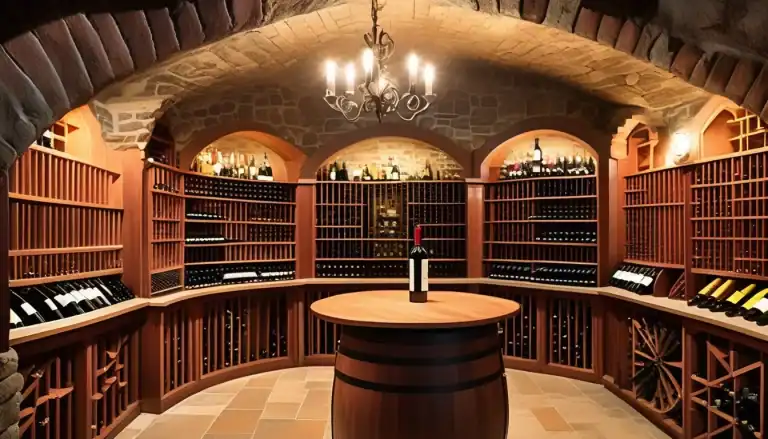
For wine enthusiasts and collectors, a carefully curated wine collection is more than just bottles on a shelf -it’s a passion, an investment, and a piece of liquid history. But what happens when disaster strikes?
Whether it’s a broken bottle, a natural calamity, or theft, the loss of precious vintages can be heartbreaking and financially devastating.
That’s where wine collection insurance comes in, offering a safety net for your prized possessions. In this comprehensive guide, we’ll discover everything you need to know about protecting your valuable assets through wine collection insurance.
Welcome to Didi Somm, and Cheers!
Important Notice: The information in this article is for general and public information purposes only. It solely reflects Didi Somm’s or his Staff’s opinion, and no responsibility can be assumed for errors or omissions in the service’s contents. For details, please check the Disclaimer at the bottom of the homepage.
Takeaways
Wine collection insurance provides specialized coverage for valuable wine collections against risks like theft, damage, and loss.
Standard homeowners insurance policies often do not adequately cover wine collections.
Premiums typically range from $0.40 to $0.80 per $100 of wine value annually.
Proper storage, handling, and inventory management are crucial for both protection and insurance purposes.
Specialized insurers offer tailored policies that understand the unique needs of wine collectors.
Understanding Wine Collection Insurance
Insuring wine is a specialized form of coverage designed to protect your liquid investments from various risks. It is crucial to emphasize the importance of insuring a fine wine collection to safeguard your investments from potential financial losses. Unlike standard homeowners insurance, which may have limited coverage for wine, these policies are tailored to the unique needs of wine collectors.
The Essence of Wine Insurance
At its core, wine collection insurance provides financial reimbursement for the market value or replacement cost of your wine in case of unforeseen events. This coverage extends beyond simple theft protection, encompassing a range of potential hazards that could threaten your fine wine collection.
Coverage Highlights
Theft Protection: Safeguards against burglary and theft of your prized bottles.
Damage Coverage: Includes protection from fire, water damage, and other accidental damages.
Natural Disaster Protection: Covers losses due to earthquakes, floods, and other natural calamities.
Transit Insurance: Protects your wine while it’s being transported or shipped.
Cellar Equipment: Some policies extend coverage to wine storage systems and equipment.
Wine and Spirits: Certain insurers offer specialized coverage for collections of wine and spirits, protecting them from theft or damage.

Why Standard Insurance Falls Short
Most homeowners or renters insurance policies have significant limitations when it comes to wine collections:
- Low Coverage Limits: Standard policies often cap coverage at a few thousand dollars, which is inadequate for serious collectors.
- Limited Perils: They may not cover specific risks that wine is susceptible to, such as temperature fluctuations or bottle breakage.
- Lack of Expertise: General insurers may not have the specialized knowledge to value and assess wine collections accurately.
The Benefits of Wine Insurance
Investing in wine collection insurance offers several key advantages that go beyond mere financial protection:
- Peace of Mind: Collectors can enjoy their passion without constant worry about potential losses.
- Comprehensive Protection: Coverage for a wide range of wine storage and handling risks.
- Expert Valuation: Access to professionals who understand the nuances of wine valuation and market trends.
- Flexibility: Policies can be tailored to your specific collection and risk profile.
- Continuity: In case of loss, insurance allows you to replenish your collection and continue your wine journey.
Choosing the Right Wine Insurance Policy
Selecting the ideal policy for your wine collection requires careful consideration of several factors:
Assessing Your Collection’s Value
Before seeking insurance, you need to know the total value of your collection. This involves:
- Professional Appraisal: Consider hiring a certified wine appraiser for an accurate valuation.
- Inventory Management: Maintain a detailed inventory with purchase prices, current market values, and tasting notes.
- Regular Updates: Wine values can fluctuate, so update your inventory annually.

Understanding Coverage Options
Different insurers offer varying levels of coverage for an entire collection. Look for policies that include:
All-Risk Coverage: Protection against a comprehensive list of perils.
Agreed Value: Predetermined payout amounts for specific bottles or collections.
In-Transit Coverage: Essential if you frequently ship or transport wine.
Cellar Breakdown: Coverage for failures in temperature control systems.
Types of Wine Insurance Policies
Regarding insuring your wine collection, there are two primary types of policies to consider: Blanket Coverage and Scheduled Coverage. Each has its advantages and is suited to different needs and collection sizes.
Blanket Coverage offers a general coverage limit for your entire wine collection. This type of policy is often favored by wine collectors with smaller or less valuable collections because it requires less documentation and is generally more affordable. However, it may not provide sufficient coverage for rare or highly valuable wines, leaving gaps in protection.
On the other hand, Scheduled Coverage provides more comprehensive protection by requiring a detailed inventory and appraisal of each bottle in your collection. This type of policy is ideal for serious wine collectors who have invested significantly in their collections. Listing each bottle and its value ensures that every item is adequately covered, offering peace of mind for your prized vintages.
In addition to these main types, some insurance companies offer specialized coverage options. For instance, you can find policies that cover wine in transit or wine stored in professional storage facilities. These options are particularly useful for collectors who frequently ship their wines or use off-site storage solutions.
By understanding the different wine insurance policies available, you can choose the one that best fits your collection’s needs and ensures comprehensive protection.
Evaluating Insurance Providers
Not all insurers are created equal when it comes to wine collection coverage. Consider:
- Specialization: Choose insurers with specific expertise in wine collection insurance.
- Reputation: Research customer reviews and industry ratings.
- Claims Process: Understand how claims are handled and what documentation is required.
Our Tip: Please check the following specialized US Wine Insurers, InsureMyWine or HORTEN, for details and a quotation.
Factors Affecting Wine Insurance Costs
The wine insurance cost of insuring your wine collection can vary significantly based on several factors:
Collection Value: The total worth of your collection is the primary determinant of premium costs.
Storage Conditions: Proper storage facilities with temperature and humidity control can lower premiums.
Security Measures: Robust security systems may qualify you for discounts.
Location: Your location and associated risks (e.g., earthquake-prone areas) impact pricing.
Coverage Limits: Higher limits and additional coverage options will increase premiums.
You can expect to pay between $0.40 and $0.80 per $100 of wine value annually. A $100,000 collection translates to an annual premium of $400 to $800.
Wine Insurance and Homeowners Insurance
While homeowners insurance might provide some coverage for your wine collection, it often falls short of offering the comprehensive protection that valuable or rare wines require. Homeowners’ insurance policies typically include sub-limits for personal property, which may not be sufficient to cover the total value of an extensive wine collection.
Moreover, homeowners insurance may not cover specific risks common for wine collections, such as damage from natural disasters, theft, or spoilage due to temperature fluctuations. These limitations can leave significant gaps in coverage, potentially resulting in substantial financial loss if your collection is damaged or stolen.
This is where specialized wine insurance comes into play. By purchasing a dedicated wine insurance policy, you protect your collection against a broader range of risks. Specialized wine insurance policies are designed with the unique needs of wine collectors in mind, offering tailored coverage that standard homeowners insurance cannot match.
For wine collectors, investing in specialized wine insurance is a crucial step in safeguarding their collections. It provides peace of mind, knowing their valuable wines are adequately protected, no matter what unforeseen events may occur.

Secure Storage and Handling: The Foundation of Protection
While insurance provides a financial safety net, proper storage, and handling are your first line of defense:
Optimal Storage Conditions
– Temperature: Maintain a consistent temperature between 55°F and 59°F (13°C to 15°C).
– Humidity: Aim for 60% to 70% relative humidity to prevent cork drying.
– Light Exposure: Store bottles away from direct sunlight and UV light.
– Vibration: Minimize vibrations that can disturb wine sediment.

Professional Storage Solutions
Consider utilizing a professional wine storage facility that offers:
Climate Control: State-of-the-art systems for temperature and humidity regulation.
Security: 24/7 surveillance and restricted access.
Insurance: Often provides additional coverage for stored wines.
Proper Handling Techniques
– Gentle Movement: Always handle bottles carefully to avoid disturbing sediment.
– Appropriate Equipment: Use proper wine racks and handling tools.
– Transportation: When moving wine, use specialized wine shipping containers.
Filing a Claim: Steps to Take When Disaster Strikes
In the unfortunate event that you need to file a claim, follow these steps:
1. Immediate Documentation: Take photos and videos of the damage or loss.
2. Contact Your Insurer: Notify your insurance company immediately.
3. Detailed Inventory: Provide a comprehensive list of affected bottles, including their values.
4. Preserve Evidence: Don’t discard damaged bottles until your insurer instructs.
5. Follow-Up: Stay in regular contact with your claims adjuster throughout the process.
Essential Tips for Insuring Your Wine Collection
Insuring your wine collection is a vital step in protecting your investment. Below are seven essential tips to help you navigate the process and ensure your collection is adequately covered:
Get Your Wine Collection Appraised: Before purchasing wine insurance, have your collection appraised by a certified professional. This will provide an accurate valuation and help you determine the necessary coverage limits.
Keep Your Inventory Up to Date: Maintain a detailed inventory of your wine collection, including the type, vintage, and value of each bottle. Regularly update this inventory to reflect any new acquisitions or changes in values. A Wine Inventory App could be a helpful tool to speed up the process.
Choose the Right Coverage: Decide whether blanket or scheduled coverage best suits your needs. Blanket coverage is simpler and less expensive but may not adequately cover high-value wines. Scheduled coverage offers more comprehensive protection for each bottle.
Check the Coverage Limits: Ensure that your policy’s coverage limits are sufficient to cover the total value of your wine collection. This is crucial for avoiding underinsurance, especially when you’re expanding the collection.
Consider Additional Coverage Options: Additional coverage options include insurance for wine in transit or wine stored in professional storage facilities. These options can provide extra protection for specific situations.
Research the Insurance Company: Choose an insurance company with a good reputation and expertise in wine collection insurance. Read reviews and seek recommendations to ensure you receive excellent customer service and reliable coverage.
Review and Update Your Policy Regularly: Periodically review your insurance policy to ensure it continues to meet your needs. Update your coverage as your collection grows or its value changes.
Investing in the right wine insurance policy safeguards your valuable wines and provides peace of mind, allowing you to enjoy your collection without worry.
FAQ – Wine Collection Insurance
1. Q: Does my homeowner’s insurance cover my wine collection?
A: Most standard homeowners policies offer limited coverage for wine collections. It’s best to obtain specialized wine collection insurance for comprehensive protection.
2. Q: How much does wine insurance typically cost?
A: Wine insurance generally costs between $0.40 and $0.80 per $100 of wine value annually. The price depends on collection value, storage conditions, location, etc.
3. Q: Can I insure a single bottle of wine?
A: Yes, particularly valuable or rare bottles can be insured individually. However, most policies are designed to cover entire collections.
4. Q: Is wine insurance necessary for all collectors?
A: While not mandatory, wine insurance is highly recommended for serious wine collectors, especially for collections valued over $10,000 or containing rare and irreplaceable bottles.
5. Q: What types of damage does wine insurance cover?
A: Wine insurance typically covers damage from fire, water, theft, breakage, and natural disasters. Some policies also cover spoilage due to temperature control failures.
6. Q: How often should I update my wine inventory for insurance purposes?
A: It’s advisable to update your inventory annually or whenever you make significant additions or removals from your collection.
7. Q: Are there any exclusions in wine insurance policies?
A: Common exclusions might include gradual deterioration, intentional damage, or losses due to illegal activities. Always review your policy details carefully.
8. Q: Can I insure wine I haven’t purchased yet?
A: Some policies offer coverage for future purchases, allowing you to automatically insure new additions to your collection for a specified period.
9. Q: Is a professional appraisal required for wine insurance?
A: While not always mandatory, a professional appraisal is highly recommended, especially for high-value or rare wines.
10. Q: How does wine insurance handle fluctuations in wine value?
A: Many policies offer agreed-value coverage, which sets a predetermined payout amount. Others may require periodic revaluation of your collection.
11. Q: Can I insure wine stored in multiple locations?
A: Yes, many policies can cover wine stored in different locations, including home cellars, professional storage facilities, and even during transit.
12. Q: What documentation do I need to file a wine insurance claim?
A: You’ll typically need a detailed inventory, purchase receipts, appraisal documents, and photographic evidence of damage or loss.
13. Q: Are there deductibles for wine insurance policies?
A: Yes, most policies have deductibles. The amount can vary and may be negotiable when setting up your policy.
14. Q: Can wine insurance cover spoilage due to power outages?
A: Some policies offer coverage for spoilage due to mechanical breakdowns or power failures, but this may be an additional coverage option.
15. Q: Is it possible to insure a whiskey or spirits collection?
A: Many insurers that offer wine collection insurance also provide coverage for other fine spirits collections, including whiskey and cognac.
Conclusion
Wine collection insurance is essential for any serious wine enthusiast or investor. By understanding the nuances of coverage options, properly valuing your collection, and implementing best practices for storage and handling, you can ensure that your liquid assets are protected against unforeseen circumstances.
Moreover, the right insurance policy provides financial security and peace of mind, allowing you to enjoy the fruits of your passion without worrying.
As the world of fine wines continues to evolve, so does the landscape of wine insurance. Stay informed, regularly reassess your coverage needs, and work with specialized insurers to keep your collection safe and secure.
Good luck, and enjoy your precious wines – Cheers!
For your reference, the latest articles by Didi Somm include:
- Best Wine Cellar Flooring Ideas For You – 5 Expert Tips
- Long Term Wine Storage – All You Need To Know
- Small Space Wine Storage Solutions – 10 Great Ideas
- How to Store Opened Champagne: Get 5 Expert Tips to Keep It Sparkling
- What Does Champagne Taste Like? – 7 Expert Tips about Flavors and Styles
- Illuminate Your Vino: 5 Best Wine Cellar Lighting Ideas for the Perfect Ambiance
Important Notice: The information in this article is for general and public information purposes only. It solely reflects Didi Somm’s or his Staff’s opinion, and no responsibility can be assumed for errors or omissions in the service’s contents. For details, please check the Disclaimer at the bottom of the homepage.