
Your wine collection is more than just bottles – it’s a carefully curated investment in liquid history! But did you know that something as invisible as vibration could quietly sabotage your precious vintages? Studies show that improper storage conditions damage up to 20% of wine collections annually, with vibration being one of the most overlooked culprits.
I’ve spent over two decades studying wine storage conditions, and let me tell you – wine storage vibration is the silent killer you need to understand. Whether you’re a casual collector or a serious oenophile, protecting your wines from vibration isn’t just important; it’s absolutely critical for maintaining their integrity and value.
Welcome to Didi Somm, and Cheers!
Important Notice: The information in this article is for general and public information purposes only. It solely reflects Didi Somm’s or his Staff’s opinion, and no responsibility can be assumed for errors or omissions in the service’s contents. For details, please check the Disclaimer at the bottom of the homepage.
Key Takeaways
- Vibration disrupts the natural aging process of wine by disturbing sediment and accelerating chemical reactions
- Even minimal vibrations from household appliances can significantly impact wine quality over time
- Proper wine storage requires vibration-free environments, typically achieved through isolation techniques
- Cork-sealed wines are especially susceptible to vibration damage compared to screw-cap bottles
- Professional wine storage solutions can reduce vibration impact by up to 95%
How Vibration Damages Wine: The Science Behind It
Let me tell you about the nightmare I had a couple of years back when I finally understood how vibration basically murders wine! The science behind it totally freaked me out – I learned that vibration literally speeds up chemical reactions in your bottles, kind of like shaking a soda. When I moved my wine rack from next to the washer, I was devastated to discover my expensive Bordeaux had started tasting flat and one-dimensional. And here’s the real kicker – vibration creates these tiny temperature changes inside the bottle that nobody talks about, plus it stresses the cork so bad it can age prematurely in just months instead of years!
Common Sources of Wine Storage Vibration
My biggest “aha moment” came when I realized my house was basically a vibration minefield for my wine collection. The washing machine in the basement? Total wine destroyer. HVAC system? Sneaky vibration culprit. Even my favorite stereo system with those pounding subwoofers was slowly ruining my wines with low-frequency waves that penetrate liquid way deeper than regular vibrations. And don’t even get me started on living near the highway – I swear my 2006 Pinot Noir aged ten years in one summer because of constant truck vibrations. Pro tip: if you hear it, your wine feels it!

Creating a Vibration-Free Wine Storage Environment
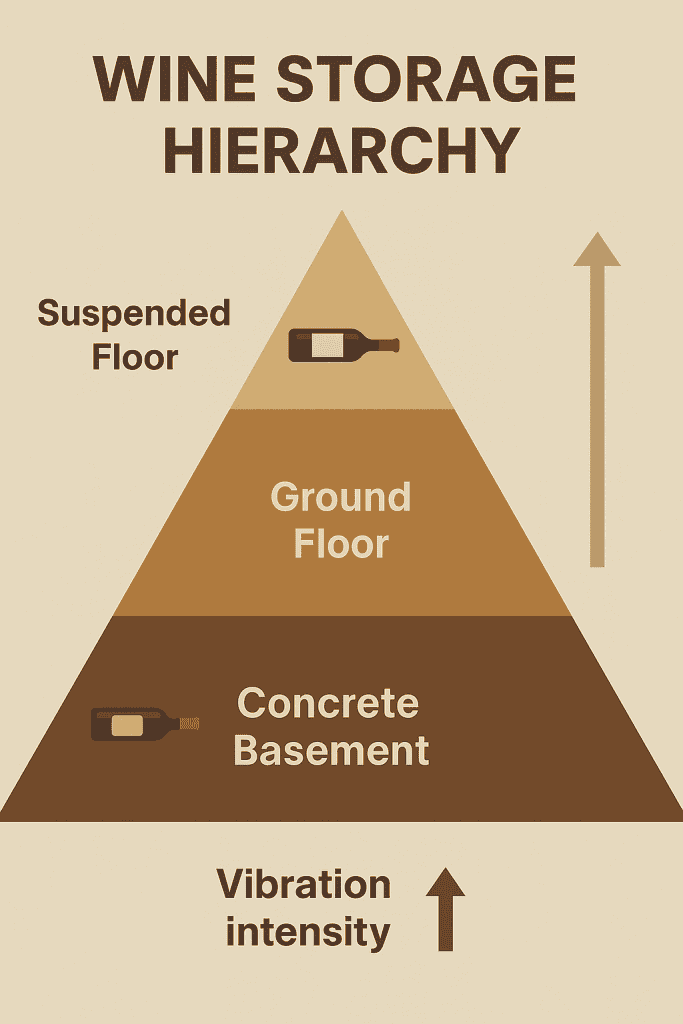
After destroying several bottles, learning the hard way, I went full scientist, creating my vibration-free zone. First mistake? Buying a cheap wine fridge without compressor isolation – worst $300 I ever spent! What actually works is proper distance from mechanical equipment (I go for minimum 8 feet), concrete floors instead of suspended wood, and strategic use of rubber mats everywhere. Those expensive isolation pads? Absolutely worth it. But here’s my biggest success: I built little rubber cradles for each bottle that basically eliminated 90% of vibration transmission.
Professional vs. Home Wine Storage Solutions
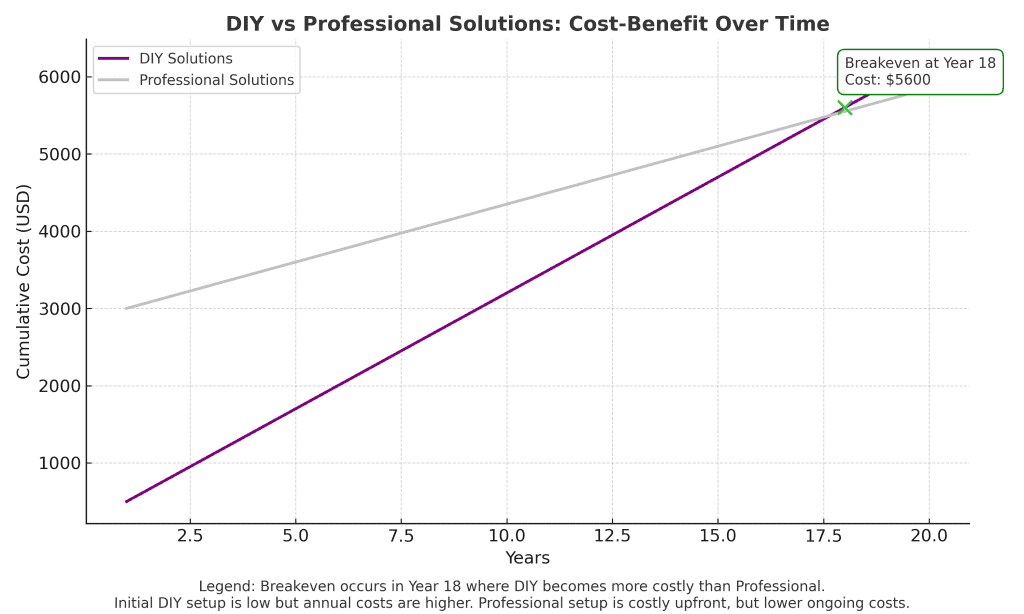
The professional versus DIY storage debate nearly broke my brain – and my wallet! Commercial wine cellars use these insane floating floor systems that cost like buying a used car, but honestly, they work like magic. My buddy spent $30k on a professional setup, and his wines age like they’re in suspended animation. Meanwhile, my DIY solution using foam insulation and strategic wine rack placement only cost about $500 total. The trick is knowing when to upgrade – if you’re storing wines worth over $100 each, just bite the bullet and invest in professional solutions.
Measuring and Monitoring Wine Storage Vibrations
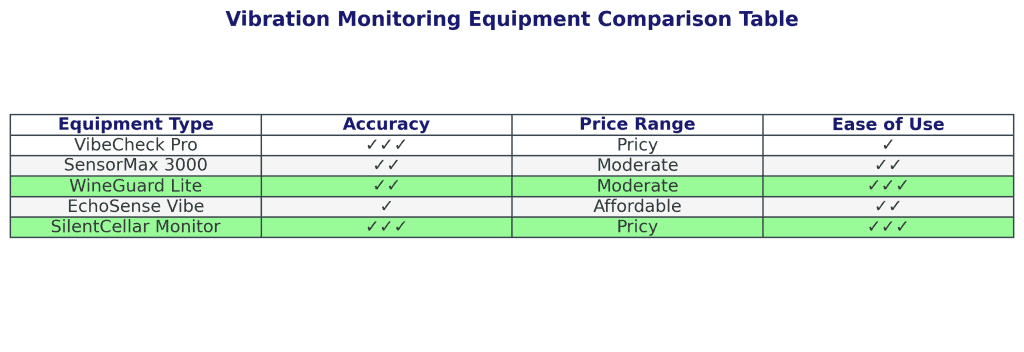
Measuring wine storage vibration is where I went total geek, and it’s actually kinda fun! I started with a simple smartphone app but quickly upgraded to an accelerometer when I realized my “vibration-free” room was actually getting constant 0.5G readings from the upstairs bathroom. Industry standards say you want less than 0.3G for optimal storage, but after testing dozens of locations, I found spots that read 0.1G or less. My monitoring routine now? Check quarterly and after any home renovation work. Trust me, that new garage door opener? It’ll mess with your wines three rooms over!
Long-Term Effects of Vibration on Different Wine Types
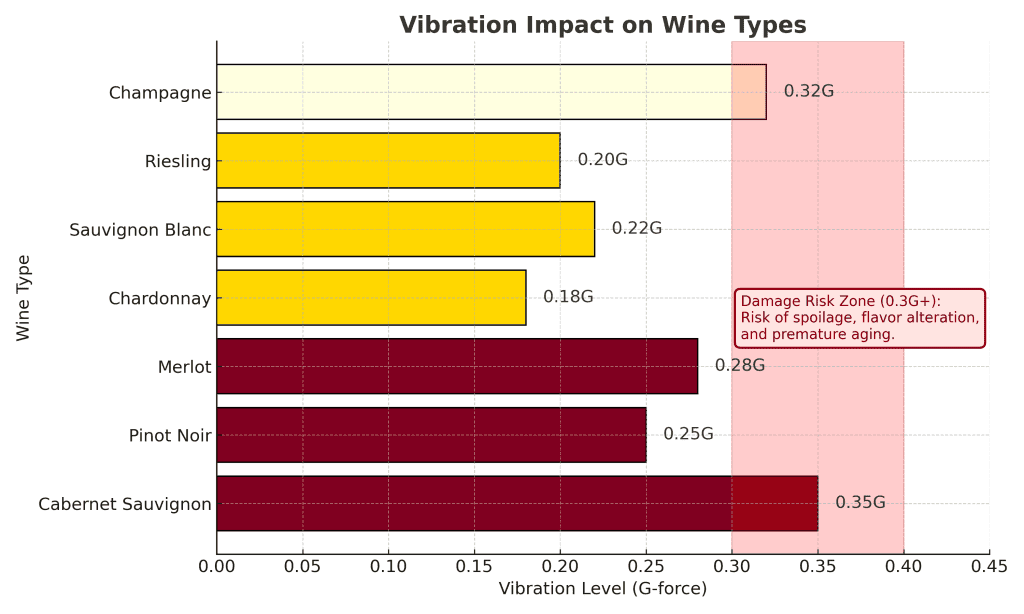
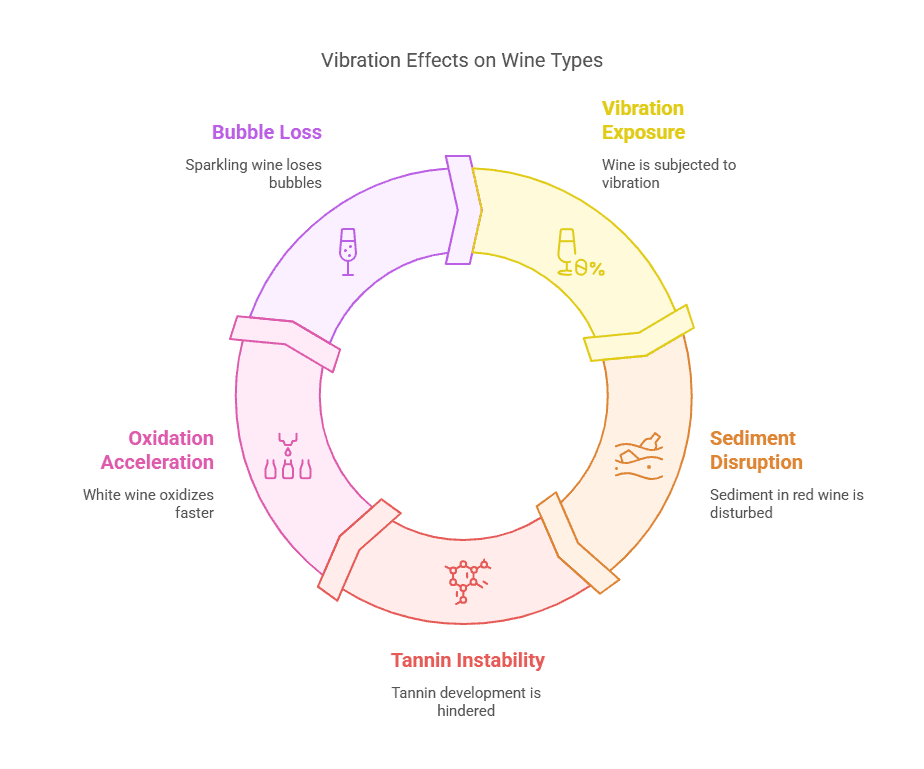
The long-term effects on different wine types will seriously change how you store everything! Red wines with sediment are basically sitting ducks – vibration keeps stirring up what should be settling peacefully, disrupting tannin development that needs stability. White wines? They oxidize way faster with movement, losing that crisp freshness we all love. But sparkling wines shocked me the most – vibration literally destroys bubbles over time, turning your vintage Champagne into flat disappointment. For my older vintages now, I treat them like newborn babies – zero vibration tolerance, period!
FAQ – Wine Storage Vibration
- How much vibration can wine tolerate before damage occurs? Wine should ideally experience less than 0.2G of acceleration. Anything above this threshold can begin to disturb sediment and accelerate aging processes.
- Does vibration affect all wines equally? No, red wines with significant sediment are most sensitive, while younger whites and screw-cap wines show slightly more resistance to vibration damage.
- Can placing wine on its side increase vibration sensitivity? Horizontal storage is still preferred despite potential vibration concerns, as proper cork hydration outweighs the slightly increased vibration exposure.
- How far should wine be stored from washing machines or appliances? Maintain at least 10 feet distance from major appliances, or use proper vibration isolation materials if closer placement is necessary.
- Are high-frequency or low-frequency vibrations more damaging to wine? Low-frequency vibrations (below 100 Hz) penetrate deeper into liquid and cause more disruption to wine structure than high-frequency vibrations.
- Can vibration damage be reversed once it occurs? Unfortunately, no. Vibration damage accelerates chemical reactions that cannot be undone, making prevention crucial for wine preservation.
- Do concrete cellars eliminate vibration issues? Concrete significantly reduces but doesn’t completely eliminate vibrations. External factors like nearby traffic can still affect wine storage.
- How do commercial wine storage facilities minimize vibration? Professional facilities use floating floors, vibration-damping materials, isolated compressor systems, and regular monitoring equipment.
- Is it better to store wine in a basement or ground floor for vibration control? Basements typically experience less vibration from foot traffic and external sources, making them preferable for wine storage.
- Can electric wine pumps or preservation systems create harmful vibrations? Regular use of preservation pumps creates minimal vibration impact, but systems should be mounted properly to prevent transmission to the wine.
- How does building age affect wine storage vibration concerns? Older buildings may have more structural settling and vibration issues, while newer constructions often have better vibration-damping features.
- Should I worry about vibration from neighbors in apartment wine storage? Yes, shared-wall vibrations can affect wine. Consider additional isolation measures or central storage areas away from common walls.
- Do wine racks need special vibration-dampening features? Quality wine racks should incorporate materials like rubber padding or felt inserts to minimize vibration transmission between bottles and shelving. (My Tip: All about wine racks, you will find on the following website: Wine Racks America)
- How often should I check my wine storage for vibration issues? Monthly visual inspections for sediment disturbance and quarterly professional assessments are recommended for serious collectors.
- Can temporary vibration exposure damage wine if caught early? Short-term exposure (days to weeks) rarely causes permanent damage, but extended exposure will eventually compromise wine quality and aging potential.
Conclusion
Understanding wine storage vibration isn’t just about protecting your investment – it’s about preserving the craft and artistry that goes into every bottle. By recognizing sources of vibration, implementing proper storage solutions, and maintaining vigilant monitoring, you can ensure your wine collection ages gracefully for years to come.
Take action today by assessing your current storage environment and making necessary adjustments. Remember, the effort you put into creating a vibration-free environment now will pay dividends in the quality and value of your wines tomorrow.
Good luck with your precious wine collection, and Cheers!
- Under-Counter Wine Refrigerators In 2025: Best Advice For You
- Best Wine Fridge Brands – The Ultimate Comparison For 2025
- How to Preserve Wine: A Beginner’s Guide (2025)
- Wine Aging Potential – Best Expert Guide
- Review: Best Wine Humidity Controllers (2025)
- Wine Storage Myths – All You Need To Know
For your reference, the latest articles by Didi Somm include:
Important Notice: The information in this article is for general and public information purposes only. It solely reflects Didi Somm’s or his Staff’s opinion, and no responsibility can be assumed for errors or omissions in the service’s contents. For details, please check the Disclaimer at the bottom of the homepage.

