Are you passionate about wine and looking to start a collection? Or perhaps you’ve already begun your journey into wine collecting and want to ensure your prized bottles age gracefully. Long term wine storage is both an art and a science, crucial for preserving the quality and enhancing the flavors of your favorite vintages.
This article will explore the key factors that make or break proper wine storage – from temperature and humidity to light exposure and bottle positioning. Whether you’re storing a few special bottles or managing an extensive collection, mastering these essential techniques will help you protect your investment and ensure each uncorking is a moment to savor.
Let’s explore the world of long term wine storage and discover the secrets to maintaining your collection at its best.
Welcome to Didi Somm and Cheers!
Important Notice: The information in this article is for general and public information purposes only. It solely reflects Didi Somm’s or his Staff’s opinion, and no responsibility can be assumed for errors or omissions in the service’s contents. For details, please check the Disclaimer at the bottom of the homepage.
Key Takeaways
Optimal temperature range for long term wine storage is 55°F to 59°F (13°C to 15°C)
Maintain humidity levels between 60% and 80% to prevent cork deterioration
Protect wines from light exposure, especially UV rays
Store bottles horizontally to keep corks moist and prevent oxidation
Minimize vibrations to avoid disturbing wine sediment
Invest in proper storage solutions, from wine refrigerators to custom cellars
Regular inventory management and rotation are crucial for large collections
Consider professional storage services for valuable or extensive collections
Understanding a wine’s aging potential is key to determining optimal storage duration
1. The Importance of Consistent Temperature Control
For long term wine storage, temperature is the most critical factor. Fluctuations can cause expansion and contraction of the liquid, potentially compromising the cork’s seal and exposing the wine to oxygen. Aim for a consistent temperature between 55°F and 59°F (13°C to 15°C). This range slows the aging process, allowing the wine to develop complex flavors over time.
Avoid storing wine in areas prone to temperature swings, such as kitchens or uninsulated garages. Invest in a wine cooler or cellar with reliable temperature control to maintain the ideal environment for your collection.
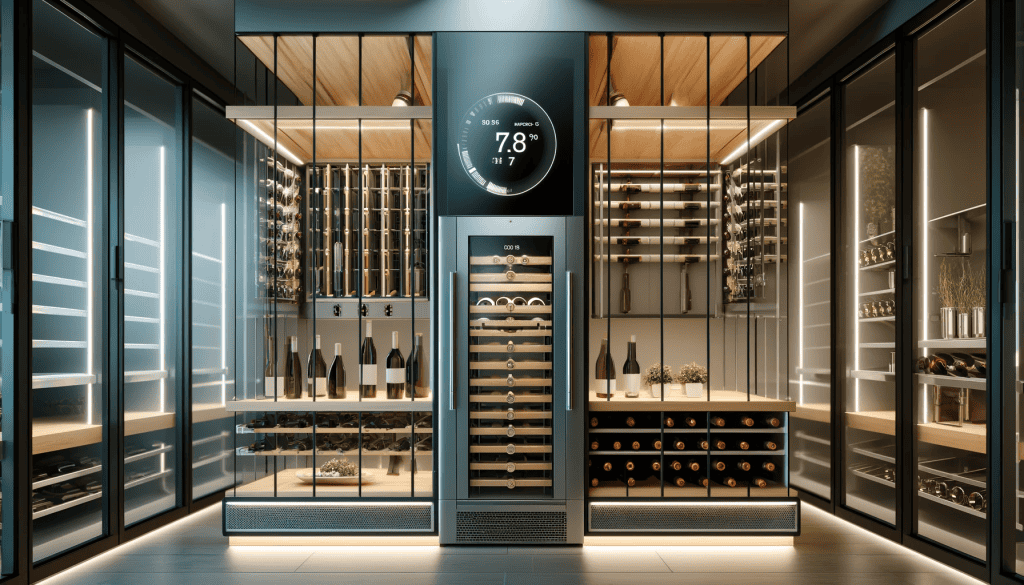
Consider using a wine thermometer, e.g., a model combined with a hygrometer, to monitor your storage area’s temperature and humidity levels (see the picture below).
2. Humidity Matters: Keeping Corks in Top Condition
Proper humidity is crucial for long term wine storage. Aim for a relative humidity between 60% and 80%. This range prevents corks from drying out, which can lead to oxidation and spoilage. Conversely, excessive humidity can promote mold growth and damage labels.
Consider using a hygrometer to monitor humidity levels in your storage area. If the environment is too dry, place a small bowl of water near your wines or use a humidifier. In overly humid conditions, a dehumidifier can help maintain the ideal range.
For further information about the “basics” of Wine Storage, I refer to the recent article “The Art of Wine Storage: 30 Best Tips to Preserve Your Wines“

3. Shielding Your Wines from Harmful Light
Light, especially UV rays, can degrade wine quality over time. Store your bottles in a dark place or use UV-filtering materials to protect them. Avoid clear glass doors on wine fridges, opting for tinted or solid options.
If you must display your collection, consider using LED lights emitting minimal UV radiation and heat. Always keep prized vintages tucked away in the darkest corners of your storage area.

4. The Art of Bottle Positioning on Wine Racks
Store wine bottles horizontally to keep the cork in contact with the wine. This prevents the cork from drying out and maintains its seal, crucial for preventing oxidation. For screw-cap bottles, horizontal storage isn’t necessary but can help maximize space efficiency.
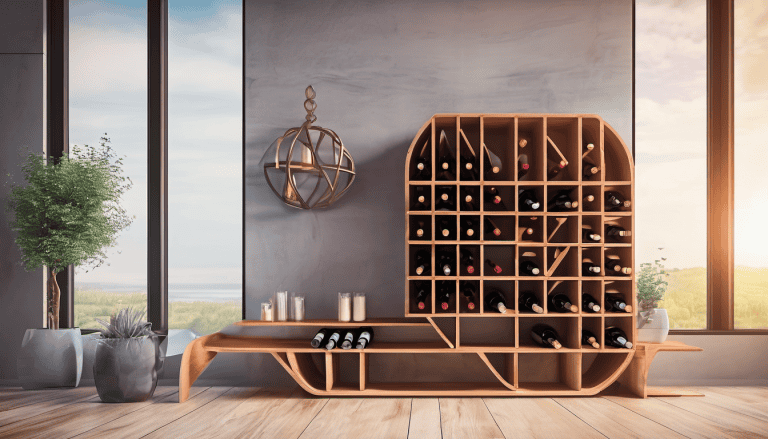
Consider investing in wine racks that allow for proper long term wine storage. These come in various materials and designs to suit different aesthetic preferences and storage needs.
Pro Tip: To see the latest designs of wine racks, I highly recommend checking Wine Racks America’s website.

5. Vibration Control: Preserving Wine’s Delicate Balance
Excessive vibration can disturb the sediment in the wine, potentially affecting its flavor and aging process. Avoid storing wine near appliances, machinery, or high-traffic areas that may cause vibrations.
If you live in an area prone to earthquakes or other sources of significant vibration, consider using specialized wine racks with built-in shock absorption features to protect your collection.
6. Ventilation and Odor Management
Proper ventilation prevents musty odors from developing in your storage area. However, be cautious not to introduce strong odors near your wine, as they can potentially permeate the cork over time.
Avoid storing wine near pungent foods, cleaning supplies, or other strong-smelling items. Consider installing a small ventilation system to maintain air quality if using a cellar or dedicated room.
7. Choosing the Right Wine Fridge
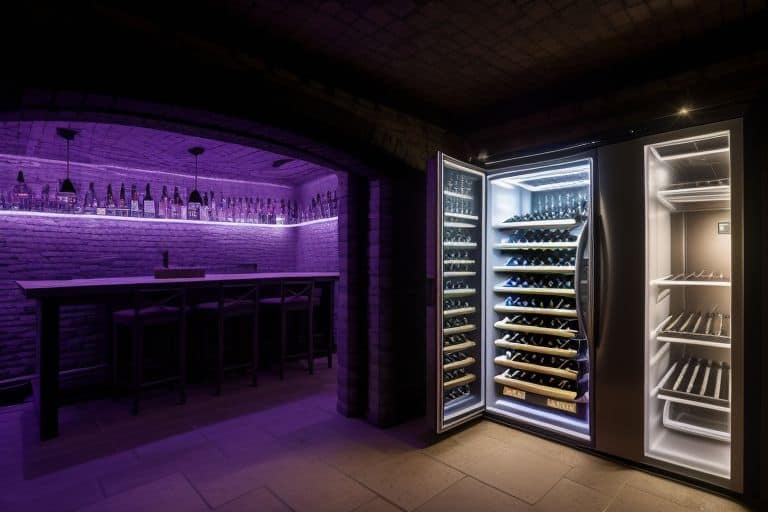
The appropriate storage solution depends on your collection size, budget, and available space. Options range from small wine refrigerators to custom-built cellars:
Wine Refrigerators: Ideal for smaller collections, offering temperature and humidity control. A wine fridge can help protect your wine investments by maintaining optimal conditions and facilitating aging.
Wine Cabinets: Larger capacity with enhanced features for serious collectors
Passive Cellars: Utilize natural cooling and insulation for consistent conditions
Active Cellars: Employ climate control systems for precise temperature and humidity management
Assess your long-term collecting goals and choose a solution that allows for growth and flexibility.


8. Professional Storage Services: When to Consider Outsourcing
For valuable or extensive collections, professional wine storage services offer several advantages:
Optimal storage conditions
Enhanced security measures
Insurance coverage
Inventory management systems
Convenience for frequent travelers or those with limited space
Research reputable storage facilities in your area and compare services, costs, and accessibility before entrusting your collection to a third party.
9. Inventory Management and Organization
Maintaining an accurate inventory is crucial for large collections. Implement a system to track:
Wine names, vintages, and producers
Purchase dates and prices
Optimal drinking windows
Tasting notes and ratings
Consider using wine cellar management software or apps to streamline this process and enhance your collecting experience.
10. Understanding Aging Potential and When to Uncork
Not all wines benefit from long term aging. Research the aging potential of your wines to determine optimal storage duration:
Most white wines: 1-3 years
Light red wines: 2-5 years
Full-bodied red wines: 5-10 years or more
Fine wines from renowned producers: 10-20+ years
Regularly assess your collection and plan to enjoy wines at their peak rather than risk over-aging.
FAQ: Mastering Long Term Wine Storage
1. Q: How long can I store wine at room temperature?
A: Most wines should not be stored at room temperature for extended periods. Move them to proper storage within 6 months to prevent premature aging.
2. Q: Can I store different types of wine together?
A: If the storage conditions suit all, you can store different wine types together. However, organize them carefully to prevent mix-ups.
3. Q: Is it necessary to rotate wine bottles during storage?
A: For long term wine storage, rotating is not necessary. Keep bottles still to avoid disturbing sediment.
4. Q: How can I tell if a stored wine has gone bad?
A: Signs include off-odors, brownish color in white wines, or a vinegary taste. When in doubt, open and taste a small amount
5. Q: Can I store wine in the refrigerator for the long term?
A: Regular refrigerators are too cold and dry for long-term wine storage. Use them only for short-term chilling before serving.
6. Q: What’s the best way to store opened wine?
A: Recork tightly and store in the refrigerator. Most wines will last 3-5 days when properly resealed.
7. Q: Should I remove the foil capsule before storing wine?
A: It’s not necessary to remove the foil capsule for storage. Leave it intact to protect the cork.
8. Q: Can wine be stored upright for long periods?
A: It’s best to store wine horizontally to keep the cork moist. Upright storage is fine for short periods or screw-cap bottles.
9. Q: How do temperature fluctuations affect stored wine?
A: Significant temperature changes can cause the wine to expand and contract, potentially damaging the cork seal and accelerating aging.
10. Q: Is it safe to store wine in a garage or basement?
A: Only if you can maintain consistent temperature and humidity. Most garages and unfinished basements are unsuitable for long-term storage.
11. Q: How often should I check on my stored wines?
A: Inspect your collection every 3-6 months to ensure proper storage conditions and catch any issues early.
12. Q: Can I store collectible wines alongside everyday bottles?
A: Yes, but consider segregating high-value bottles for added protection and simplifying inventory management.
13. Q: What’s the ideal storage position for sparkling wines?
A: Store sparkling wines upright or at a slight angle to minimize the wine’s contact with the cork, which can affect carbonation.
14. Q: How does altitude affect wine storage?
A: Higher altitudes can impact wine due to lower air pressure. If storing at high elevations, be extra vigilant about temperature and humidity control.
15. Q: Can I use a regular closet for wine storage?
A: A closet can work for short-term storage if it’s dark, cool, and maintains a consistent temperature. For long-term storage, invest in proper equipment or professional services.
Conclusion
Mastering long-term wine storage is an art that combines science, patience, and passion. Maintaining optimal temperature, humidity, and environmental conditions ensures your wines age gracefully and reach their full potential. Whether you’re safeguarding a few special bottles or managing an extensive collection, the principles outlined in this guide will help you preserve and enhance the value of your vinous treasures.
To conclude, proper storage is an investment in your wine’s future. Take the time to create the ideal environment, stay organized, and regularly assess your collection. With these practices in place, you’ll be well-equipped to build and maintain a wine collection that brings joy and appreciation for years.
To the journey of wine collecting and the exquisite experiences that await with each perfectly preserved bottle, Cheers!
For your reference, the latest articles by Didi Somm include:
- How to Use Dry White Wine for Cooking? – Your Best Guide
- How to Build a Wine Cellar: 10 Expert Steps to Create Your Perfect Vino Haven
- Sip Smart: The Ultimate Guide to Low Alcohol Wine
- How to Read a Wine Label: 15 Expert Tips
- Built in Wine Refrigerator – 7 Best Solutions for You
- Best Wine Cellar Flooring Ideas For You – 5 Expert Tips
Important Notice: The information in this article is for general and public information purposes only. It solely reflects Didi Somm’s or his Staff’s opinion, and no responsibility can be assumed for errors or omissions in the service’s contents. For details, please check the Disclaimer at the bottom of the homepage.