
As someone who enjoys wine, I’ve often wondered how much a typical bottle weighs. Whether I’m bringing a particular vintage to a dinner party or stocking up my wine rack at home, the weight of those bottles can add up! So, I decided to research to find out, “How much does a bottle of wine weigh?”
Below, I am excited to share what I’ve learned after analyzing relevant data, speaking with sommeliers and winemakers, and drawing from my own experiences. I hope this article is useful to you whenever the weight of your precious wine is an issue, e.g., related to wine storage, wine rack selection, etc., or simply when you plan to bring a few bottles to a friend’s dinner party next time.
Welcome to Didi Somm, and Cheers!
Important Notice: The information in this article is for general and public information purposes only. It solely reflects Didi Somm’s or his Staff’s opinion, and no responsibility can be assumed for errors or omissions in the service’s contents. For details, please check the Disclaimer at the bottom of the homepage.

Main Takeaways
The standard wine bottle size is 750 ml, which typically weighs around 2.65 lbs (1.2 kg) when full
High-end, thicker glass bottles weigh up to 4.4 lbs (2 kg) or more. The weight of an average bottle can vary significantly, ranging from 300-900 grams, depending on the quality and thickness of the glass
Larger format bottles like magnums (1.5 L) weigh around 5 lbs (2.3 kg)
Empty wine bottles usually weigh between 1-2 lbs (0.45-0.9 kg)
Factors like glass thickness, bottle shape, and wine density all impact the total weight
Weight Comparison Table – “From light to heavy,”
| Bottle Type | Volume | Weight (lbs) | Weight (kg) |
|---|---|---|---|
| Piccolo/Split | 187.5 ml | 0.65-0.75 lbs | 0.29-0.34 kg |
| Demi/Half | 375 ml | 1.3-1.5 lbs | 0.6-0.7 kg |
| Aluminum Can | 375 ml | 0.3 lbs | 0.14 kg |
| Tetra Pak | 500 ml | 0.5 lbs | 0.23 kg |
| Standard | 750 ml | 2.65 lbs | 1.2 kg |
| Champagne/Sparkling | 750 ml | 3-3.3 lbs | 1.36-1.5 kg |
| Liter | 1 L | 3.5 lbs | 1.6 kg |
| Magnum | 1.5 L | 5 lbs | 2.3 kg |
| Double Magnum/Jeroboam (Sparkling) | 3 L | 10 lbs | 4.5 kg |
| Rehoboam (Still) | 4.5 L | 15 lbs | 6.8 kg |
| Jeroboam (Still)/Imperial (Sparkling) | 6 L | 20 lbs | 9.1 kg |
| Heavy Glass Standard Bottle | 750 ml | Up to 4.4 lbs | Up to 2 kg |
Standard Wine Bottle Weight
Most wine worldwide is sold in standard 750 ml glass bottles. I estimate that 90% of the bottles in my collection are this size. A full 750 ml bottle typically weighs around 2.65 pounds (1.2 kg), which is typical for what one might consider a standard bottle of wine.
Of that weight, the liquid wine itself accounts for about 1.65 lbs (0.75 kg) – the density of most wines is quite close to that of water. The glass bottle comprises the remaining weight, typically 1 lb (0.45 kg) for a standard bottle.

Heavy Glass Bottles
Some pricey, premium wines use thicker, heavy wine bottles to convey a high-end image. These hefty bottles, which always feel so impressive when I get my hands on one, can weigh up to 4.4 lbs (2 kg) when full. The wine still weighs the same, so the extra heft is all in the sturdy glass.
While these bottles certainly stand out, all that extra weight has downsides. They cost more to produce and transport, and the thicker glass makes them harder to recycle. Most wineries reserve these bottles for only their most expensive types of wine.
Large Format Bottles
Wine also comes in larger bottle sizes, which are unsurprisingly heavier. The most common is the Magnum, which holds 1.5L or two standard bottles. When full, these big bottles usually weigh around 5 lbs (2.3 kg).
Even larger sizes like Jeroboams (3L) and Rehoboams (4.5L) are produced in small quantities, often for special occasions or collectible wines. A full 3L bottle weighs close to 10 lbs (4.5 kg).
Packaging & Total Weight
Of course, wine bottles rarely travel alone. Case boxes, cardboard dividers, wooden crates, and other packaging add to the total weight. A standard 12-bottle case with regular 750 ml bottles weighs around 34-36 lbs (15.5-16.3 kg).
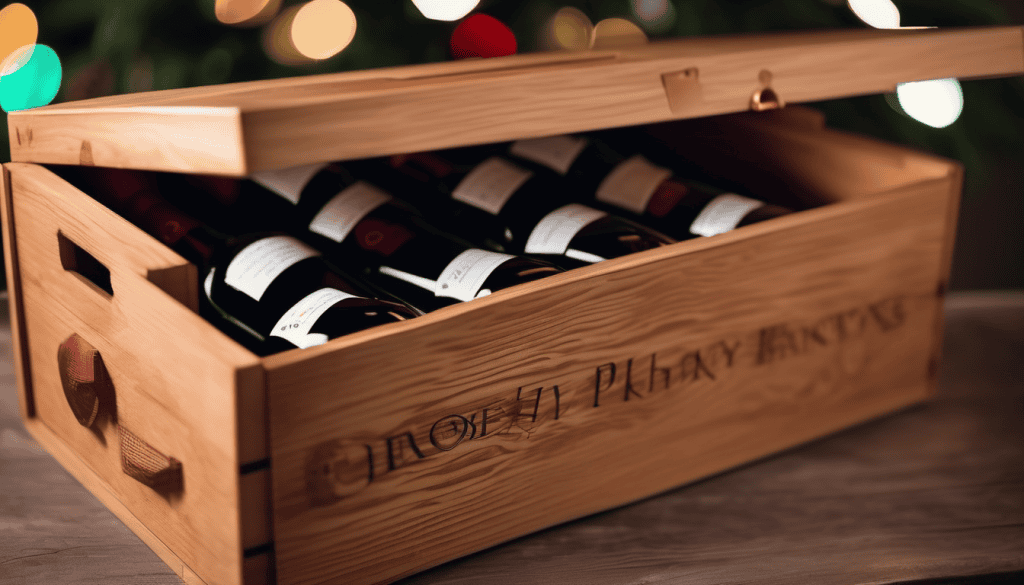
Half of that weight is from the wine, 40% from the glass bottles, and the final 10% from the packaging. Cases with thicker glass bottles can weigh 42-44 lbs (19-20 kg).
Champagne & Sparkling Wines
Bubbles tend to be heavier than regular wine bottles due to thicker glass and higher pressure inside. A standard 750 ml bottle of Champagne or sparkling wine usually weighs around 3-3.3 lbs (1.36-1.5 kg).

The bottle walls need to be thicker to contain all those bubbles safely! An empty bottle of Champagne or sparkling wine is notably lighter but still heavier than other empty wine bottles due to its need for thicker glass to withstand the pressure.
Dessert & Fortified Wines
On the other end of the spectrum, 375 ml “half bottles” are most commonly used for dessert wines and fortified wines like port. These diminutive bottles typically weigh around 1.3-1.5 lbs (0.6-0.7 kg) when full, making them a great option when a full bottle is too much.

I love picking up a half bottle of Sauternes or Ice Wine to enjoy with cheese or dessert after a special meal. The small size is perfect for savoring a few sweet sips at the night’s end without any pressure to finish a whole bottle. (Pro Tip: Please check the article about “Ice Wine” by Wine Enthusiast).
Interestingly, due to its higher sugar content, sweet wine can weigh more than dry wine, which is attributed to the sugar molecules being heavier than water molecules.
Alternative Packaging
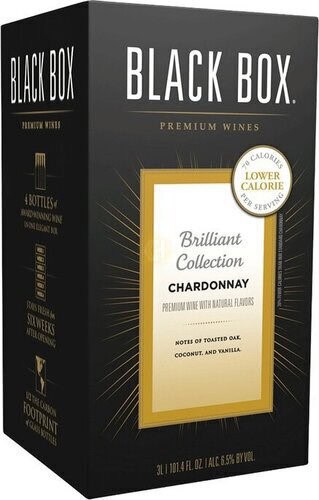
While glass remains the go-to material for wine bottles, some producers are exploring alternative packaging to reduce costs and environmental impact, notably the carbon footprint. Bag-in-box wines (Tetra Paks) and wines in lighter bottles contribute to cost savings and environmental benefits by requiring less material and energy to produce.
Lighter packaging options like Cans and Tetra Paks weigh less than the equivalent volume of bottled wine and are more portable. A 500 ml Tetra Pak carton weighs only around 0.5 lbs (0.23 kg) when full. These options have a time and place, but I don’t see them entirely replacing glass bottles anytime soon, especially for more expensive wines.
Wine Weight Variation
Considering the weight of wine involves understanding how factors such as bottle weight, size, glass quality, type of wine, and closure type influence both empty and full bottles. The specific gravity and density of different types of wine, along with the environmental impact of lighter, eco-friendly bottles, also play a crucial role. It’s worth noting that the weight of a given wine bottle can vary a bit based on several factors:
Glass thickness: Even for standard bottles, the exact glass thickness may differ slightly between manufacturers. Every extra gram adds up over a whole bottle!
Bottle shape: While the volume is the same, some bottle shapes use more glass than others. Those elegant, sloping “Burgundy” bottles are heavier than the straight-sided “Bordeaux” bottles.
Wine density: While most wines are very close to water, sweeter wines with more sugar and alcohol can be denser and heavier. Think of how thick and syrupy a dessert wine is compared to a crisp Sauvignon Blanc.
Fill level: Regulations generally allow for a slight variation in a bottle’s fill level. You might get a few extra drops in some bottles!
I’ve noticed these subtle weight differences when handling a lot of bottles. But for practical purposes, the average weights we’ve discussed are more than close enough.
Ship Shape
If you’re shipping wine or traveling with it, bottle weight becomes a relevant consideration. Shipping costs are directly tied to weight, so heavier bottles will be pricier to send. And if you’ve ever tried to check a case of wine in your luggage, you know how fast those weight fees can add up!
That’s why some wineries choose lighter glass bottles for wines frequently sold online or through wine clubs. Saving a few ounces per bottle can make a big difference over hundreds of cases. Anytime I’m looking to send someone wine, I consider bottle heft.
FAQ – how much does a bottle of wine weigh?
1. How much does a bottle of wine weigh?
A standard 750 ml wine bottle usually weighs about 2.65 lbs (1.2 kg) when full.
2. What is the weight of an empty wine bottle?
An empty standard wine bottle weighs typically 1-2 lbs (0.45-0.9 kg), depending on the exact bottle.
3. Do different types of wine weigh different amounts?
Not significantly. Most wine has a density very close to water, so a 750 ml bottle will have around 1.65 lbs (0.75 kg) of wine regardless of type.
4. Are there wine bottles that weigh more than the standard bottle?
Yes, some wineries use extra-thick glass bottles weighing up to 4.4 lbs (2 kg) or more when full.
5. How much does a magnum bottle of wine weigh?
A 1.5 L magnum bottle, twice the size of a standard bottle, usually weighs around 5 lbs (2.3 kg) when full.
6. What about even bigger bottles like Jeroboams?
A 3 L Jeroboam weighs close to 10 lbs (4.5 kg) when full, while a 4.5 L Rehoboam can exceed 15 lbs (6.8 kg)!
7. Do sparkling wine bottles weigh the same as regular wine bottles?
No, sparkling wine bottles tend to be a bit heavier, usually 3-3.3 lbs (1.36-1.5 kg) when full, due to thicker glass to contain the pressure.
8. What’s the weight of a case of wine?
A standard case of 12 750 ml bottles weigh about 34-36 lbs (15.5-16.3 kg), with half the weight coming from the wine itself.
9. Are there wine packages lighter than glass bottles?
Yes, options like bag-in-box, cans, and Tetra Paks are lighter than the equivalent volume of bottled wine.
10. How much does a half bottle (375 ml) of wine weigh?
Half bottles used for dessert and fortified wines usually weigh 1.3-1.5 lbs (0.6-0.7 kg).
11. Does bottle shape impact wine weight?
Somewhat. Specific bottle shapes, like Burgundy bottles, use slightly more glass than others, making them a bit heavier.
12. Are there differences in wine bottle weight between different producers?
Minor differences can occur due to variations in glass thickness, even for standard bottles. But most producers use very similar bottles.
13. Why do some wineries use extra heavy bottles?
It’s often a marketing tactic to make the wine seem high-end and justify a higher price. The wine inside is the same; there’s just more glass!
14. Does wine weight matter for shipping?
Absolutely. Heavier bottles cost more to ship, so some wineries choose lighter bottles for wines frequently sold online or through clubs.
15. Do sweeter wines weigh more than dry wines?
They can weigh slightly more since sugar increases the density, but the difference per bottle is fairly small.
Conclusion
As you can see, there’s a fair bit of variance in wine bottle weights, but the vast majority fall into a predictable range. A standard 750 ml bottle of delicious wine will almost always be around 2.65 lbs (1.2 kg), with large format bottles and some specialty glass hitting higher weights.
Hopefully, this guide has provided you with a comprehensive overview of the weight of different types and sizes of wine bottles. The next time you handle a bottle, take a moment to consider its weight and appreciate all the factors that contribute to its heft.
Of course, the most important thing is always what’s inside the bottle! No matter how much that bottle of wine weighs, what matters is the enjoyment and experiences we get from sharing it with others.
So grab a light or heavy bottle and raise a well-deserved toast to your newfound wine-weight expertise. Cheers!
For your reference, the latest articles by Didi Somm include:
- What Wine Goes with Salmon? Discover 11 Expert Tips
- Mini Wine Fridge – Best Selection of up to 18 Bottles
- What Temperature Should Red Wine Be Stored At? – 7 Expert Tips
- Non Alcoholic Wine – 5 “Great Myths” You Must Know
- How to Use a Wine Opener? – 7 Best Tips You Must Know
- Best Red Wine For Cooking – All You Need To Know
Important Notice: The information in this article is for general and public information purposes only. It solely reflects Didi Somm’s or his Staff’s opinion, and no responsibility can be assumed for errors or omissions in the Service’s contents – for details, please check the Disclaimer at the bottom of the homepage.


