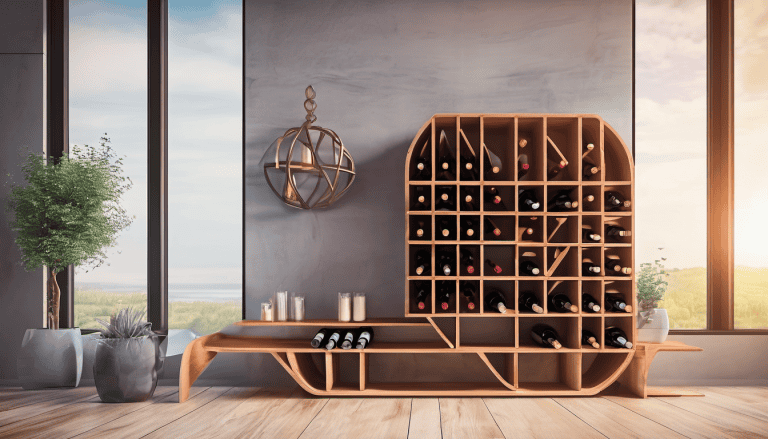
Are you ready to take your home wine cellar to the next level? Well, you might be surprised to learn that the secret lies right beneath your feet! That’s right – choosing the right flooring for your wine cellar is as crucial as selecting the perfect bottle for a special occasion.
Did you know that proper flooring can improve your cellar’s humidity control by up to 15%? It’s not just about looks; it’s about creating the ideal environment for your precious vintages. As a passionate wine enthusiast who’s spent years perfecting my own cellar, I’ve learned (sometimes the hard way) that flooring can make or break your wine storage space.
Whether you’re a budding collector or a seasoned oenophile, the right flooring can transform your cellar from a mere storage room into a sophisticated haven for your wines.
So, grab a glass of your favorite vintage, and let’s explore the five best wine cellar flooring options that will make your cellar the envy of every wine lover in town!
Welcome to Didi Somm and Cheers!
Important Notice: The information in this article is for general and public information purposes only. It solely reflects Didi Somm’s or his Staff’s opinion, and no responsibility can be assumed for errors or omissions in the service’s contents. For details, please check the Disclaimer at the bottom of the homepage.

Key Takeaways
- Proper flooring is crucial for maintaining optimal cellar humidity and temperature
- Different materials offer varying benefits in terms of durability, aesthetics, and climate control
- Consider factors like ease of cleaning, slip resistance, and load-bearing capacity
- Some flooring options can contribute to the overall insulation of your cellar
- The right flooring can significantly enhance the visual appeal and value of your wine cellar
1. Cork Flooring: Nature’s Perfect Cellar Solution
Let me tell you, when I first heard about cork flooring for wine cellars, I thought, “Aren’t we supposed to keep cork in the bottles?” But boy, was I in for a surprise! Cork flooring turned out to be a game-changer for my cellar, and I’m kicking myself for not discovering it sooner.
First off, let’s talk about insulation. Cork is like nature’s own thermal blanket for your cellar. I noticed a significant improvement in temperature stability after installing cork floors. My cooling system doesn’t have to work as hard anymore, which is a win for both my wines and my electricity bill. It’s like cork gives your cellar a cozy sweater to keep it at just the right temperature.
But here’s where cork really shines – moisture resistance. I used to stress about humidity levels in my cellar, constantly checking and adjusting. With cork, it’s like having a built-in humidity regulator. It naturally resists mold and mildew, which is crucial for keeping those labels pristine and corks in top shape. I haven’t seen a speck of mold since I made the switch!
Now, comfort might not be the first thing you think about for cellar flooring, but trust me, it matters. I spend more time in my cellar now because the cork is so comfortable underfoot. It’s like walking on a cushion! And the sound dampening? It’s amazing. No more echoes when I’m giving cellar tours to impressed friends.
Let’s talk eco-friendliness, because who doesn’t want to feel good about their flooring choice? Cork is incredibly sustainable. It’s harvested from the bark of cork oak trees without harming the tree itself. How cool is that? It’s like giving Mother Nature a high-five every time you step into your cellar.
Maintenance is a breeze too. I was worried it would be high-maintenance, but it’s been smooth sailing. A quick sweep and occasional damp mop is all it needs. Just make sure to clean up any spills promptly – even cork has its limits when it comes to standing wine!
One word of caution – make sure you get proper cork flooring designed for cellar use. I made the mistake of using regular cork tiles at first, and let’s just say they didn’t hold up well in the cellar environment. Opt for high-density, sealed cork flooring specifically made for wine cellars. It costs a bit more upfront, but the longevity is worth every penny.
All in all, cork flooring has been a total win for my wine cellar. It’s like giving your wines a first-class ticket to perfect storage conditions. Just be prepared for your wine-loving friends to be more interested in your floor than your bottles at first!
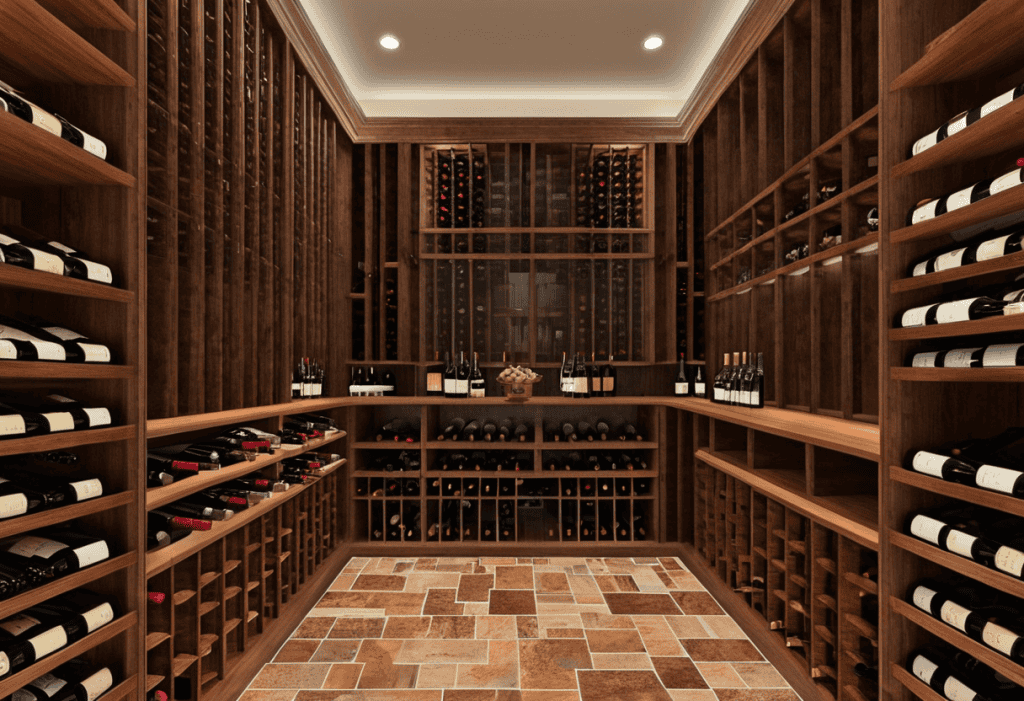
2. Stone and Tile: Timeless Elegance Meets Practicality
Alright, wine lovers, let’s talk about stone and tile flooring for your cellar. When I first considered this option, I thought, “Am I turning my wine cellar into a Roman bath?” But let me tell you, once I took the plunge, I realized it’s like giving your wines their own little palazzo!
Let’s break down the stone options, shall we? Slate was my first love. It’s got this rugged, earthy vibe that makes you feel like you’re in an old-world wine cave. I installed slate in my first cellar, and it was a showstopper. But heads up – it can be a bit uneven, so watch your step after a few tastings!
Limestone is another fantastic option. It’s got a softer, more elegant look. I used it in my tasting area, and it’s like walking on clouds… if clouds were made of stone. Just be careful with spills – limestone is a bit more porous than other stones.
Now, travertine – that’s the fancy pants of stone flooring. I saw it in a friend’s cellar and nearly dropped my Cabernet in awe. It’s got these beautiful natural patterns that make each tile unique. It’s like your floor is a work of art!
One of the coolest things about stone is its temperature retention properties. It’s like having a natural thermostat for your cellar. I noticed my cooling system didn’t have to work as hard after installing stone floors. It keeps things cool naturally, which is great for both your wines and your energy bill.
But here’s the kicker – sealing. Don’t skimp on this step, folks! I learned the hard way when I didn’t properly seal my first stone floor. Let’s just say red wine stains on limestone are not a good look. Make sure you use a high-quality sealer and reapply as recommended. It’s like giving your floor a protective force field.
Now, let’s chat about tiles. They’re like the chameleons of cellar flooring – so many options to fit any style. I’ve got these awesome terracotta tiles in one section of my cellar, and it feels like I’m storing my wines in a Tuscan villa. You can play with patterns, too. I did a herringbone layout with rectangular tiles, and it’s a real eye-catcher.
One pro tip: consider the size of your tiles carefully. I made the mistake of using huge tiles in my small cellar, and it made the space feel cramped. Smaller tiles or a mix of sizes can make your cellar feel more spacious.
All in all, stone and tile flooring is like rolling out the red carpet for your wines. It’s durable, beautiful, and with proper care, it’ll outlast even your longest-aging bottles. Just be prepared for your guests to be as impressed with your floor as they are with your wine collection!
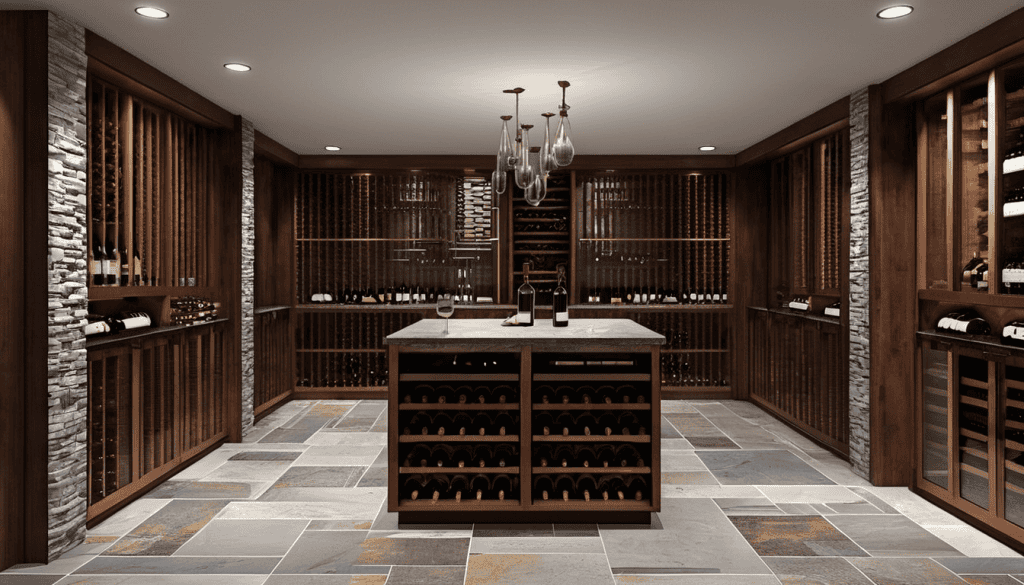
3. Sealed Concrete: Industrial Chic for Modern Cellars
Let’s talk sealed concrete floors, folks. When I first considered this for my cellar, I thought, “Am I turning my wine sanctuary into a parking garage?” But let me tell you, once I saw the finished product, I realized it was more like transforming it into a modern art gallery for my bottles!
First things first, the advantages of polished and sealed concrete are no joke. It’s like giving your cellar floor a suit of armor. I spilled a full bottle of Merlot once (a moment of silence, please), and it wiped right up without a trace. Try doing that with untreated concrete!
Now, let’s get into the fun part – customization. This is where concrete really shines. You can stain it, stamp it, and even embed things in it. I went a bit wild and had a grapevine pattern stained into mine. It’s subtle but stunning. My buddy took it a step further and embedded actual corks in his floor. Talk about a conversation starter!
Durability? Oh boy, concrete’s got it in spades. I’ve dropped bottles (accidentally, I swear), rolled heavy racks around, and even had a small flood once (don’t ask), and my concrete floor barely batted an eye. It’s like the Chuck Norris of flooring – nothing fazes it.
Here’s something that surprised me – concrete’s temperature regulation properties. I always thought concrete would make my cellar feel cold and damp, like a basement. But properly sealed, it actually helps maintain a steady temperature. It’s like having a built-in climate control system right under your feet.
Maintenance is pretty straightforward, but don’t slack on it. I give mine a good sweep and mop regularly, and I re-seal it every couple of years. It’s like giving your floor a spa day – a little pampering goes a long way.
One word of caution – if you’re going the DIY route, make sure you know what you’re doing. I tried to polish my own concrete floor once, and let’s just say it looked less “polished” and more “attacked by a sand monster.” Sometimes it’s worth calling in the pros.
Oh, and here’s a cool trick I learned – you can add a bit of texture to the surface for better traction. I did this in my tasting area, and it’s been a lifesaver. No more slipping around after a few too many “taste tests”!
All in all, sealed concrete has been a total win for my modern cellar. It’s tough, looks great, and can handle whatever wine adventures come its way. Just be prepared for your industrial-chic floor to steal some of the spotlight from your prized vintages!

4. Hardwood and Engineered Wood: Warmth and Character
Alright, wine lovers, let’s chat about wooden floors in cellars. When I first considered wood for my cellar, I thought, “Isn’t this asking for trouble?” But let me tell you, with the right approach, it’s like giving your wines a cozy log cabin to hang out in!
First up, let’s talk wood species. Not all woods are created equal when it comes to cellar use. I learned this the hard way when I tried to use pine in my first cellar. Big mistake! It was softer than an overripe grape and didn’t handle the humidity well. Oak, on the other hand, is like the sturdy grandfather of cellar woods. It’s tough, looks great, and can handle a bit of moisture. I’ve also seen some gorgeous cellars with cherry and walnut floors. They’re like rolling out a red carpet for your wines!
Now, here’s where things get interesting – engineered wood vs. solid hardwood. I was skeptical of engineered wood at first, thinking it was just fancy plywood. But boy, was I wrong! For cellars, engineered wood is often the smarter choice. It’s more stable in changing humidity levels, which is crucial unless you want your floor to look like a roller coaster. I went with engineered oak in my current cellar, and it’s been rock solid.
Moisture is the elephant in the room when it comes to wood floors in cellars. I used to wake up in cold sweats, worrying about warping and cupping. The solution? Proper sealing and a good vapor barrier. It’s like giving your floor a raincoat and galoshes. Make sure you use a sealer specifically designed for high-humidity areas. And don’t skimp on the vapor barrier – it’s your first line of defense against moisture from the subfloor.
Let’s talk aesthetics, because that’s where wood really shines. The warmth and character it brings to a cellar is unmatched. I chose a dark stain for my floor, and it makes my bottles pop like they’re on display in a high-end wine shop. You can play with different finishes too – I’ve seen some stunning cellars with distressed wood floors that look like they’ve been aging right alongside the wines.
Maintenance is key with wooden floors. I give mine a good cleaning with a slightly damp mop regularly, making sure not to leave any standing water. Every few years, I have it professionally refinished. It’s like sending your floor to a spa – it comes back looking refreshed and ready for more wine adventures.
One last tip – consider the direction of your wood planks carefully. I laid mine perpendicular to my wine racks, and it makes the cellar look longer and more spacious. It’s a small detail, but it makes a big difference!
All in all, wood flooring in a wine cellar is like pairing a bold red with a perfectly aged steak – when done right, it’s a match made in heaven. Just be prepared for your guests to be as impressed with your floor as they are with your wine selection!

5. Innovative Flooring Solutions: Beyond Traditional Options
Alright, wine enthusiasts, buckle up because we’re about to venture into the wild and wonderful world of innovative cellar flooring. When I first stumbled upon these out-of-the-box options, I thought, “Have we gone too far?” But let me tell you, some of these ideas are pure genius!
Let’s start with epoxy flooring. This stuff is like giving your cellar floor a superhero costume. I installed it in my tasting area, and it’s been a game-changer. It’s seamless, which means no pesky grout lines for dirt to hide in. Plus, you can get crazy with colors and patterns. I went for a deep burgundy with gold flecks – it’s like my floor is celebrating wine o’clock all the time!
Now, let’s talk rubber flooring. I know what you’re thinking – “Isn’t that for gyms?” But hear me out. It’s comfortable underfoot, which is great when you’re spending hours reorganizing your collection. And the sound dampening? Amazing. I used it in my bottle-washing area, and it’s like a cushiony, non-slip heaven. Just make sure you get the kind rated for cellar use – regular rubber can off-gas and affect your wines.
For the budget-conscious, vinyl and luxury vinyl tile (LVT) are worth considering. I was skeptical at first, thinking it would look cheap. But modern LVT can mimic stone or wood so convincingly, even I was fooled! I used wood-look LVT in my overflow storage area, and it gives the wood warmth without moisture concerns. Just be sure to choose a high-quality product rated for cellar conditions.
Here’s where things get really sci-fi: heated flooring systems. I installed one in my main cellar area, and it’s like my wines are getting a warm hug from the ground up. It helps maintain a consistent temperature and combats moisture. Plus, it makes late-night cellar visits in winter much more pleasant! Just be prepared for a bit of sticker shock on the initial installation.
Lastly, don’t be afraid to mix and match! I’ve seen some incredible cellars that combine different flooring types to create distinct areas. In my cellar, I’ve got epoxy in the tasting area, rubber where I wash bottles, and heated LVT in the main storage space. It’s like a flooring mullet – business in some areas, party in others!
One word of advice: whatever innovative solution you choose, make sure it’s compatible with cellar conditions. I made the mistake of using regular laminate in a small wine closet once, and let’s just say it didn’t end well. Always opt for products specifically rated for wine cellar use.
In the end, these innovative flooring solutions are like the maverick winemakers of the flooring world – they challenge conventions and sometimes produce something spectacular. Just be prepared for your wine-loving friends to be as interested in what’s under their feet as what’s in their glass!

FAQ – Wine Cellar Flooring Options
- Q: What’s the most important factor to consider when choosing wine cellar flooring? A: The most crucial factor is moisture resistance, as it directly affects humidity control and prevents mold growth.
- Q: Can I use carpet in my wine cellar? A: Carpet is generally not recommended due to its tendency to trap moisture and harbor mold. It’s best to stick with moisture-resistant, hard surface options.
- Q: How much does quality wine cellar flooring typically cost? A: Costs vary widely, from $5-$15 per square foot for basic options like sealed concrete to $20-$50+ for high-end materials like custom stone or exotic hardwoods.
- Q: Can I install wine cellar flooring myself? A: While possible for some materials like cork or vinyl, professional installation is recommended for most options to ensure proper sealing and moisture protection.
- Q: What’s the best flooring for a cellar in a humid climate? A: Cork or sealed concrete are excellent choices for humid climates due to their natural moisture resistance and mold-inhibiting properties.
- Q: How often should I maintain my wine cellar flooring? A: Maintenance frequency depends on the material, but generally, a thorough cleaning every 3-6 months and resealing (if applicable) every 1-3 years is recommended.
- Q: Can I use the same flooring in my tasting area and storage area? A: Yes, but consider comfort for the tasting area (cork or wood) and durability for high-traffic storage areas (stone or sealed concrete).
- Q: Are there eco-friendly options for wine cellar flooring? A: Yes, cork is a highly sustainable option. Reclaimed wood and certain recycled rubber or vinyl products are also eco-friendly choices.
- Q: What’s the ideal thickness for wine cellar flooring? A: This varies by material, but generally, 3/8″ to 3/4″ is suitable for most options to provide adequate insulation and durability.
- Q: How do I prevent slips in my wine cellar? A: Choose flooring with good traction or add anti-slip treatments. Stone and concrete can be textured, while cork naturally provides good grip.
- Q: Can wine cellar flooring help with temperature control? A: Yes, materials like cork and stone have natural insulating properties that can help maintain consistent cellar temperatures.
- Q: What type of flooring is best for showcasing my wine collection? A: Stone or polished concrete can create a sleek, gallery-like feel, while hardwood adds warmth and elegance to showcase your collection.
- Q: How do I match my wine cellar flooring to my home’s decor? A: Consider the overall style of your home and choose flooring materials and colors that complement existing elements while still meeting cellar-specific needs.
- Q: Are there flooring options that can withstand heavy wine racks and equipment? A: Sealed concrete and certain stone options are ideal for bearing heavy loads. Ensure proper installation and consider load distribution for any flooring type.
- Q: Can wine cellar flooring affect the value of my home? A: Yes, a well-designed wine cellar with quality flooring can increase your home’s value, especially in markets where wine collecting is popular.
Conclusion
Choosing the right flooring for your home wine cellar is more than just a design decision; it’s an investment in the preservation and enjoyment of your wine collection.
Whether you’re drawn to the natural insulation of cork, the timeless elegance of stone, the modern appeal of polished concrete, the warmth of wood, or innovative solutions like epoxy or heated floors, there’s a perfect option for every wine enthusiast.
Remember, the best flooring for your cellar is one that not only looks great but also maintains the ideal environment for your wines. As you embark on this journey to find the perfect foundation for your wine sanctuary, consider how each option aligns with your cellar’s conditions, your aesthetic preferences, and your long-term wine storage goals. After all, a well-designed cellar starts from the ground up.
So go ahead and lay the groundwork for the wine cellar of your dreams. Your future self (and your wines) will thank you. Here’s to perfect flooring and many delightful tastings in your beautifully appointed cellar!
For your reference, the latest articles by Didi Somm include:
- DIY Wine Cellar vs. Professional Installation: What’s Best for You in 2024?
- 5 Best Wine Cellar Inventory Software in 2024 – Get Expert Advice Here!
- Best Home Wine Cellar Cooling Systems in 2024: 5 Expert Tips
- How to Maintain Proper Wine Cellar Ventilation: Best Expert Tips
- Best Wine Cellar Doors: Balancing Design and Functionality
- The Best Wine Racks for Home Cellars: A Comprehensive Guide
Important Notice: The information in this article is for general and public information purposes only. It solely reflects Didi Somm’s or his Staff’s opinion, and no responsibility can be assumed for errors or omissions in the service’s contents. For details, please check the Disclaimer at the bottom of the homepage.