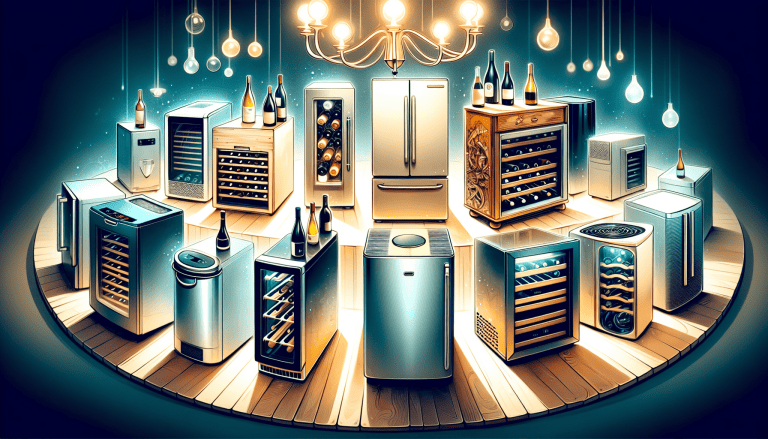
Picture this: You’ve just acquired a rare vintage Bordeaux, and you can’t wait to uncork it… in about 10 years. But wait! How will you ensure it ages gracefully until then? Enter the world of home wine cellar refrigeration units. Today, these marvels of modern technology are more efficient and stylish than ever.
Did you know that a properly cooled wine cellar can extend the life of your wine by up to 25 years? That’s music to any oenophile’s ears! In this guide, we’ll pop the cork on the best wine cellar cooling units of 2024, helping you find the perfect match for your precious vino collection.
Let’s dive in and keep those bottles chillin’ in style!
Welcome to Didi Somm and Cheers!
Important Notice: The information in this article is for general and public information purposes only. It solely reflects Didi Somm’s or his Staff’s opinion, and no responsibility can be assumed for errors or omissions in the service’s contents. For details, please check the Disclaimer at the bottom of the homepage.
Key Takeaways
- Proper temperature control is crucial for wine longevity
- Modern wine cellar cooling units offer advanced features and energy efficiency
- Size, capacity, and installation type are key factors in choosing a unit
- Noise levels and aesthetics should be considered for home integration
- Regular maintenance ensures optimal performance of your cooling unit
Understanding Wine Cellar Refrigeration: Why It Matters
Let me tell you, I learned the hard way why wine cellar refrigeration is so dang important. Picture this: I’d just scored an amazing deal on a case of vintage Bordeaux. Feeling pretty chuffed with myself, I stashed them in my basement, thinking “Cool and dark, that’ll do the trick!” Fast forward six months, and I’m opening a bottle to celebrate my birthday. The look on my face when I took that first sip? Pure devastation.
Here’s the deal, folks. Wine is like that finicky friend who needs everything just so. The science behind it is pretty fascinating, actually. As wine ages, it’s going through a whole chemistry experiment in the bottle. Too warm, and it ages too fast, losing all those complex flavors we wine nerds go gaga over. Too cold, and it’s like hitting the pause button on the aging process.
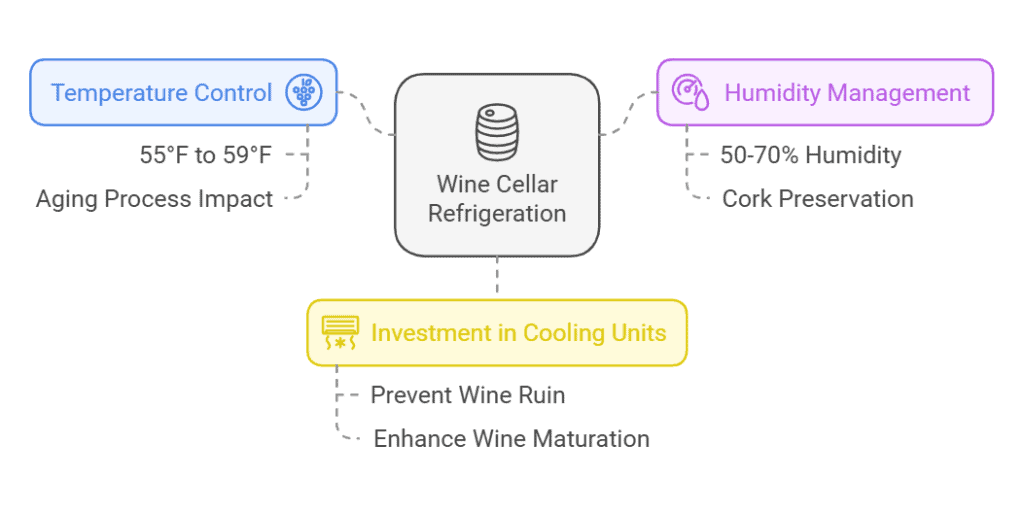
Now, let’s talk numbers. The sweet spot for wine storage? 55°F to 59°F (13°C to 15°C). And don’t forget about humidity! You want to aim for 50-70%. Too dry, and those corks start shrinking, letting in oxygen that’ll turn your prized vino into fancy vinegar.
Trust me, investing in a quality wine cellar cooling unit is worth every penny. It’s not just about keeping your wine “cold.” It’s about creating the perfect environment for your liquid treasures to mature gracefully. Plus, it’ll save you from the heartbreak (and wallet-ache) of ruined wine. Learn from my mistakes, people – your future self will thank you!
Types of Wine Cellar Cooling Units
Okay, so you’re convinced you need a wine cellar cooling unit. Great! But now you’re staring at all these options, scratching your head. Been there, done that. Let me break it down for you based on my journey through the world of wine cellar cooling.
Self-Contained Units
First up, self-contained units. These bad boys are like the Swiss Army knives of wine cooling. I started with one of these in my first apartment. Pro tip: They’re super easy to install – I managed it without calling my handyman brother-in-law! The downside? They can be a bit noisy. I ended up nicknaming mine “The Hummer.”
Split Systems
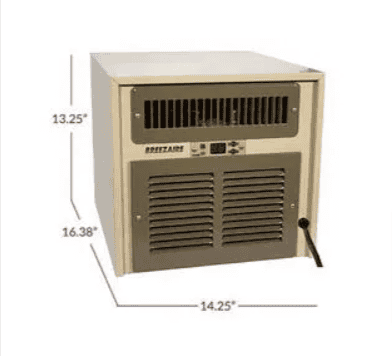
Then there are split systems. Think of these as the fancy cousins of your home AC. The noisy bits are outside, leaving your cellar whisper-quiet. I upgraded to one of these when I moved to my house, and let me tell you, the peace and quiet is chef’s kiss. But fair warning: installation is not for the faint of heart. I tried to DIY it and… let’s just say I got to know my local HVAC guy real well.

Through-The-Wall Units
Through-the-wall units are the space-savers of the bunch. If you’re like me and every square inch of your home is precious, these are a godsend. I installed one in my tiny urban condo, and it was like playing Tetris with my wine collection – in a good way!

Ducted Systems
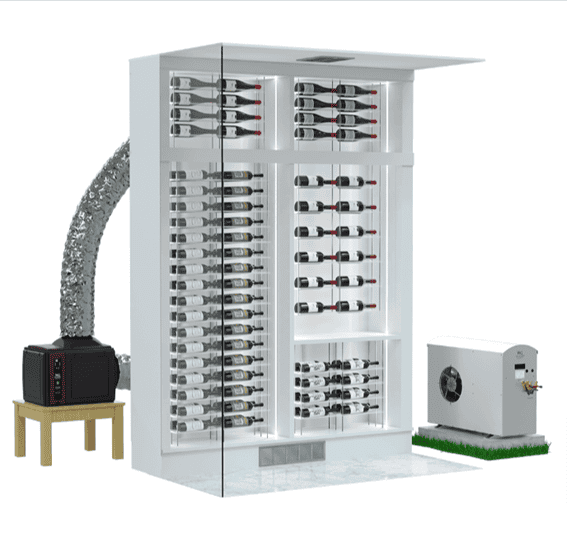
Lastly, we’ve got ducted systems. These are the big guns, folks. When I finally built my dream wine cellar (okay, it’s more of a glorified closet, but let me have this), I splurged on a ducted system. It’s like the Rolls-Royce of wine cooling – powerful, quiet, and oh-so-efficient. But unless you’re cooling a serious collection, it might be overkill.
Top Features to Look for in 2024 Models
Alright, wine enthusiasts, gather ’round! Let’s chat about the coolest features (pun totally intended) in this year’s wine cellar cooling units. Trust me, after going through three upgrades in five years, I’ve learned a thing or two about what really matters.
Energy Efficiency
First things first: energy efficiency. In 2024, if your cooling unit isn’t sipping energy like a fine wine, it’s time for an upgrade. I learned this the hard way when my electricity bill skyrocketed with my first unit. Look for high EER ratings and eco-friendly refrigerants like R600a. Your wallet (and the planet) will thank you.
Smart Home Integration
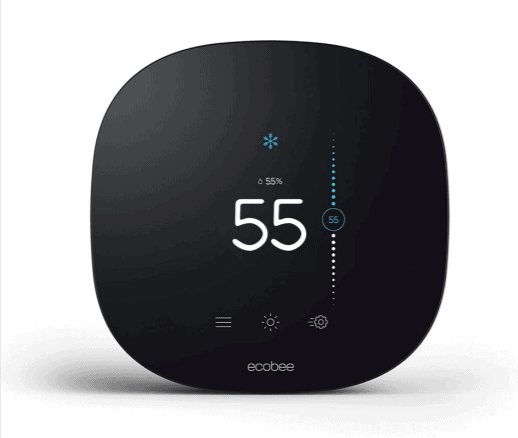
Now, let’s talk smart home integration. Folks, this is a game-changer. I can’t tell you how many times I’ve been out at a wine tasting, suddenly panicked about my cellar temp, and been able to check it right from my phone. Some units even let you adjust settings remotely. It’s like having a sommelier on standby!
Humidity Control
Humidity control is another biggie. My first unit didn’t have this, and I ended up with a bunch of dried-out corks. Not cool. Look for systems with built-in humidifiers or dehumidifiers. Trust me, maintaining that 50-70% sweet spot is crucial.
Vibration Reduction Technology
Here’s something I wish I’d known earlier: vibration reduction technology. Turns out, even tiny vibrations can disturb your wine’s aging process. Who knew? The latest models have some nifty tech to keep things still as a millpond.
UV Protection
Lastly, don’t forget about UV protection. I once made the mistake of storing some prized Pinot Noir near a window. Let’s just say the results were… not great. Many 2024 models come with UV-protective glass and special lighting options. It’s like sunscreen for your vino!
Our 5 Top Picks for Best Wine Cellar Cooling Units
Alright, wine lovers, let’s get down to brass tacks. After years of trial and error (and maybe a few tears over spoiled vintages), I’ve got the inside scoop on the best wine cellar cooling. Buckle up because this is where it gets good!
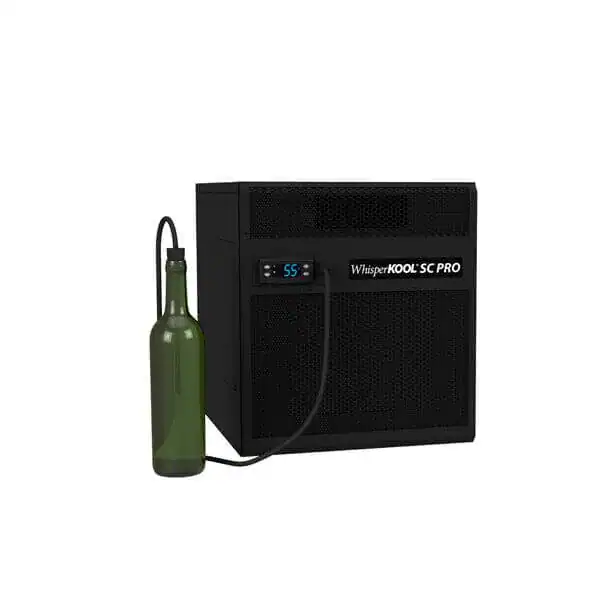
1. SC PRO 4000 – Through-the-Wall Wine Cellar Cooling System – Best Overall
For the best overall unit, you can’t go wrong with the SC PRO 4000 – Through-the-Wall Wine Cellar Cooling System. This baby’s got it all – whisper-quiet operation, high-technology at an affordable price. It’s ideal for small- to medium-sized home wine cellars.
2. Wine-Mate 1500CD – Budget
The Wine-Mate 1500CD is a self-contained, good-quality unit with an attractive price point. With an LED digital display, which includes an alarm feature that will alert you to cooling issues, it has a cooling capacity of 90 cubic feet, perfect for a small wine cabinet.
3. WhisperKOOL SC 2000i – Small Space
For my small space dwellers (I see you, city folks!), check out the WhisperKOOL SC 2000i. This little powerhouse, with a capacity of 300 cubic feet, packs a punch without hogging precious square footage.
4. Breezaire WKL 4000 – Home Wine Cellar
Got a collection that rivals a small wine shop? The Breezaire WKL 4000 is your new best friend. This beast can handle large cellars with a cooling capacity of 1000 cubic feet. A buddy of mine installed one in his basement, and I swear I could hear his wines sighing in contentment.
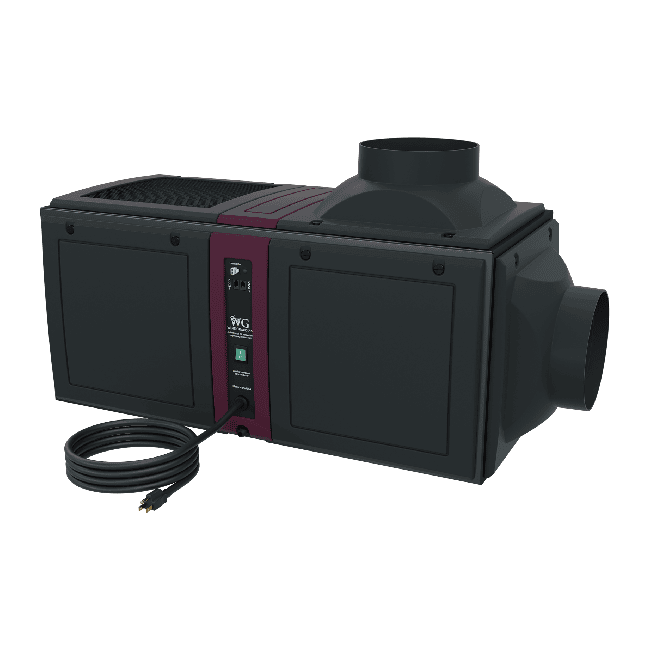
5. Wine Guardian Sentinel D025 Wine Cellar Cooler – Smart Tech
Last but not least, for you tech-heads out there, the Wine Guardian Sentinel D025 Wine Cellar Cooler is pushing the boundaries of wine storage. With Wine Guardian-designed Wireless2Base™ technology, the controller can be placed inside the cellar, a kitchen, or wherever is most convenient for you. Its capacity is up to 2000 cubic feet, ideal for larger home wine cellars.
Installation Considerations
Okay, fellow wine enthusiasts, let’s talk installation. This is where the rubber meets the road, and let me tell you, I’ve learned some lessons the hard way. So, grab a glass of your favorite vino, and let’s dive in!
DIY vs. Professional Installation
First up: DIY vs. professional installation. Now, I’m all for a good DIY project. Heck, I once built a wine rack out of old pallets (it was… interesting). But when it comes to cooling units, unless you’re handy with HVAC systems, I’d strongly suggest calling in the pros. Trust me, the peace of mind is worth it. I tried to install my first unit solo and ended up with a very expensive, very heavy paperweight.
Space Requirements
Space requirements are crucial, folks. These units need room to breathe – literally. I made the mistake of cramming my first cooler into a tight corner, and it worked about as well as trying to chill wine in a sauna. Make sure you’ve got proper ventilation, especially for self-contained units. Pro tip: measure twice, buy once!
Electrical and Plumbing Work
Now, let’s chat about electrical and plumbing considerations. This is not the time to channel your inner MacGyver. Most units need a dedicated circuit, and some require a water line for humidity control. I learned this the hard way when I tripped the breaker every time I turned on my cooler and toaster simultaneously. Not ideal when you’re trying to impress dinner guests!
Insulation
Lastly, insulation is key. It’s like a cozy sweater for your wine cellar. Without proper insulation, your cooling unit will be working overtime, and your energy bills will skyrocket. Been there, done that, got the eye-watering electricity bill to prove it. Vapor barriers, insulated walls, and a sealed door are musts.
Remember, a well-installed cooling unit is the difference between a wine cellar and a very expensive storage closet. Take it from someone who’s made every mistake in the book – do it right the first time, and your wines (and future self) will thank you!
Maintenance and Care Tips
Alright, wine aficionados, let’s talk about keeping your cellar cooling unit in tip-top shape. After all, you wouldn’t let your car go without an oil change, right? Same goes for your wine’s chilly home. Trust me, I learned these lessons through trial, error, and a few panic calls to my local repair guy.
Regular Cleaning and Filter Replacement
First things first: regular cleaning and filter replacement. It’s not glamorous, but it’s necessary. I used to ignore this until my unit started making noises like a dying robot. Not cool (pun intended). Set a reminder on your phone to clean those filters every month. Your unit will run more efficiently, and you’ll avoid that “What’s that smell?” moment.
Monitoring Temperature and Humidity
Monitoring temperature and humidity fluctuations is crucial. I once went on vacation, confident in my set-it-and-forget-it approach. Came back to find my cellar was more sauna than wine storage. Yikes! Invest in a good thermometer and hygrometer, and check them regularly. Better yet, get a smart system that alerts you to any changes. It’s like having a wine nanny!
Professional Servicing
When it comes to professional servicing, don’t wait until something breaks. Schedule annual check-ups with a pro. Yes, it costs money, but it’s cheaper than replacing a whole unit (or worse, a collection of spoiled wine). I skipped a year once, thinking I was saving cash. The repair bill the following year quickly cured me of that notion.
Troubleshooting
Lastly, let’s talk about troubleshooting. Strange noises? Inconsistent temperatures? Don’t ignore these red flags like I did. That weird clicking noise might be nothing, or it might be your compressor’s dying gasp. When in doubt, consult your manual or call an expert. It’s better to be safe than sorry, especially when your prized vintages are at stake.
Remember, folks, a little TLC goes a long way in keeping your wine cellar cooling unit humming along happily. Your future self (and your wine collection) will thank you for the effort!
FAQ – Best Wine Cellar Cooling Units
- Q: How much does a quality wine cellar cooling unit cost? A: Prices range from $500 for small units to $5000+ for high-end systems. The average cost for a mid-range unit is about $1500-$2500.
- Q: Can I install a wine cellar cooling unit myself? A: While some through-the-wall units can be DIY-installed, most systems require professional installation to ensure proper function and warranty coverage.
- Q: How loud are wine cellar cooling units? A: Noise levels vary, but modern units typically range from 40-60 decibels, similar to a quiet conversation or background music.
- Q: How much energy does a wine cellar cooling unit use? A: Energy consumption varies, but most efficient units use between 500-1500 kWh per year, depending on size and usage.
- Q: What’s the ideal temperature for a wine cellar? A: The optimal temperature range is 55°F to 59°F (13°C to 15°C) for long-term storage of all wine types.
- Q: How often should I service my wine cellar cooling unit? A: Annual professional servicing is recommended, with monthly DIY checks and cleaning.
- Q: Can I use a regular air conditioner for my wine cellar? A: No, regular ACs don’t provide the consistent temperature and humidity control needed for proper wine storage.
- Q: What size cooling unit do I need for my wine cellar? A: Size depends on cellar dimensions, bottle capacity, and insulation. A general rule is 1 BTU cooling capacity per cubic foot of space.
- Q: Do I need a humidity control system in addition to cooling? A: Many modern wine cellar cooling units include humidity control. If not, a separate humidifier may be necessary to maintain 50-70% humidity.
- Q: How long do wine cellar cooling units typically last? A: With proper maintenance, a quality unit can last 10-15 years.
- Q: Can I store other beverages in my wine cellar? A: While possible, it’s best to dedicate the space to wine, as other beverages may have different optimal storage conditions.
- Q: Are there cooling units designed for specific wine types? A: Most units are designed for all wine types, but some high-end models offer customizable zones for red and white wines.
- Q: How do I protect my wine collection during a power outage? A: Some units offer battery backups. Otherwise, minimize opening the cellar and consider a backup generator for frequent outages.
- Q: Can I integrate my wine cellar cooling unit with my smart home system? A: Many 2024 models offer smart home integration for remote monitoring and control.
- Q: Are there eco-friendly options for wine cellar cooling? A: Yes, look for units with high energy efficiency ratings and eco-friendly refrigerants like R600a.
Conclusion
Investing in one of the currently best wine cellar cooling units is like giving your beloved wine collection a first-class ticket to flavor town!
We’ve uncorked the secrets to choosing the perfect refrigeration system for your home cellar, from energy-efficient powerhouses to smart, whisper-quiet models that’ll make your wines (and your wallet) sing. Remember, a well-chilled cellar is the key to unlocking your wine’s full potential.
So go ahead, pick your perfect cooling companion, and raise a glass to perfectly preserved vino for years to come. Cheers to you, savvy Wine Enthusiast – may your cellar be cool and your wines be extraordinary!
For your reference, the latest articles by Didi Somm include:
- 5 Best Wine Cellar Inventory Software in 2024 – Get Expert Advice Here!
- Best Home Wine Cellar Cooling Systems in 2024: 5 Expert Tips
- How to Maintain Proper Wine Cellar Ventilation: Best Expert Tips
- Best Wine Cellar Doors: Balancing Design and Functionality
- The Best Wine Racks for Home Cellars: A Comprehensive Guide
- 5 Best Wine Cellar Flooring Options: Our Expert Guide
Important Notice: The information in this article is for general and public information purposes only. It solely reflects Didi Somm’s or his Staff’s opinion, and no responsibility can be assumed for errors or omissions in the service’s contents. For details, please check the Disclaimer at the bottom of the homepage.