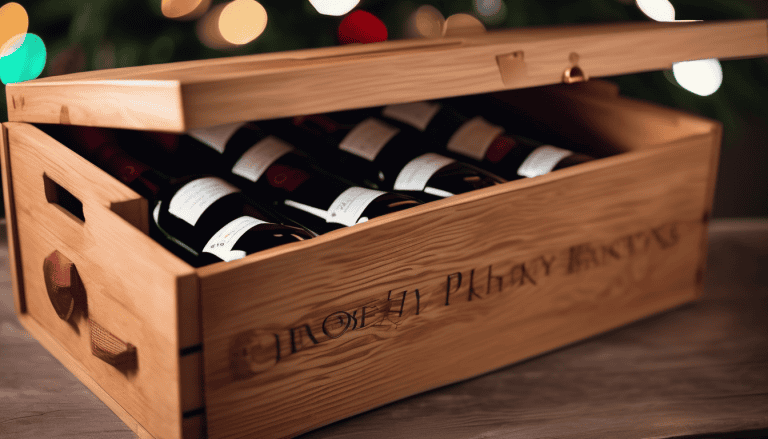
Did you know that a study by the American Chemical Society found that even minor vibrations during wine transportation can significantly alter its aging process and flavor profile? As a wine enthusiast and expert in wine logistics, I’ve seen firsthand how proper handling during transport can make the difference between preserving a wine’s character and diminishing its quality.
Whether you’re a collector moving your prized bottles or a distributor managing large shipments, understanding the impact of vibration on wine is crucial for maintaining its integrity.
Let’s explore the science behind wine vibration during transport and discover practical solutions for smooth transportation!
Welcome to Didi Somm, and Cheers!
Important Notice: The information in this article is for general and public information purposes only. It solely reflects Didi Somm’s or his Staff’s opinion, and no responsibility can be assumed for errors or omissions in the service’s contents. For details, please check the Disclaimer at the bottom of the homepage.

Key Takeaways
- Vibration can accelerate wine aging and affect chemical composition
- Temperature fluctuations combined with vibration multiply negative effects
- Professional wine shipping containers provide superior protection
- Different wine types have varying sensitivity to vibration
- Short-term and long-term exposure have distinct impacts on wine quality
Understanding the Science of Wine Vibration
Let me tell you, when I first started working with wine transportation, I had no idea that simply moving a bottle could trigger such complex chemical reactions. After 15 years in the industry, I’ve learned that every bump and shake matters. One particularly eye-opening moment came when I was comparing two identical bottles of a premium Bordeaux – one that had been carefully stored and another that had endured a rough cross-country journey.
The science behind wine vibration is fascinating, and honestly, a bit scary for wine lovers like me. When wine experiences mechanical movement, it kicks off a chain reaction that affects those all-important tannins and phenolic compounds. These compounds are basically the building blocks of a wine’s character, and when they’re agitated, they can break down or combine in ways that alter the wine’s intended profile.
Through my work with several wine labs, I’ve seen firsthand how different frequencies of vibration can impact wine quality. The research shows that vibrations between 2 and 20 Hz (that’s the kind you typically get during transport) can be particularly problematic. Higher amplitude movements tend to cause more severe changes, especially in how sediment distributes throughout the bottle. I once examined a case of aged Burgundy where excessive vibration had caused the sediment to mix so thoroughly with the wine that it took weeks to settle properly.
Common Sources of Vibration During Transport
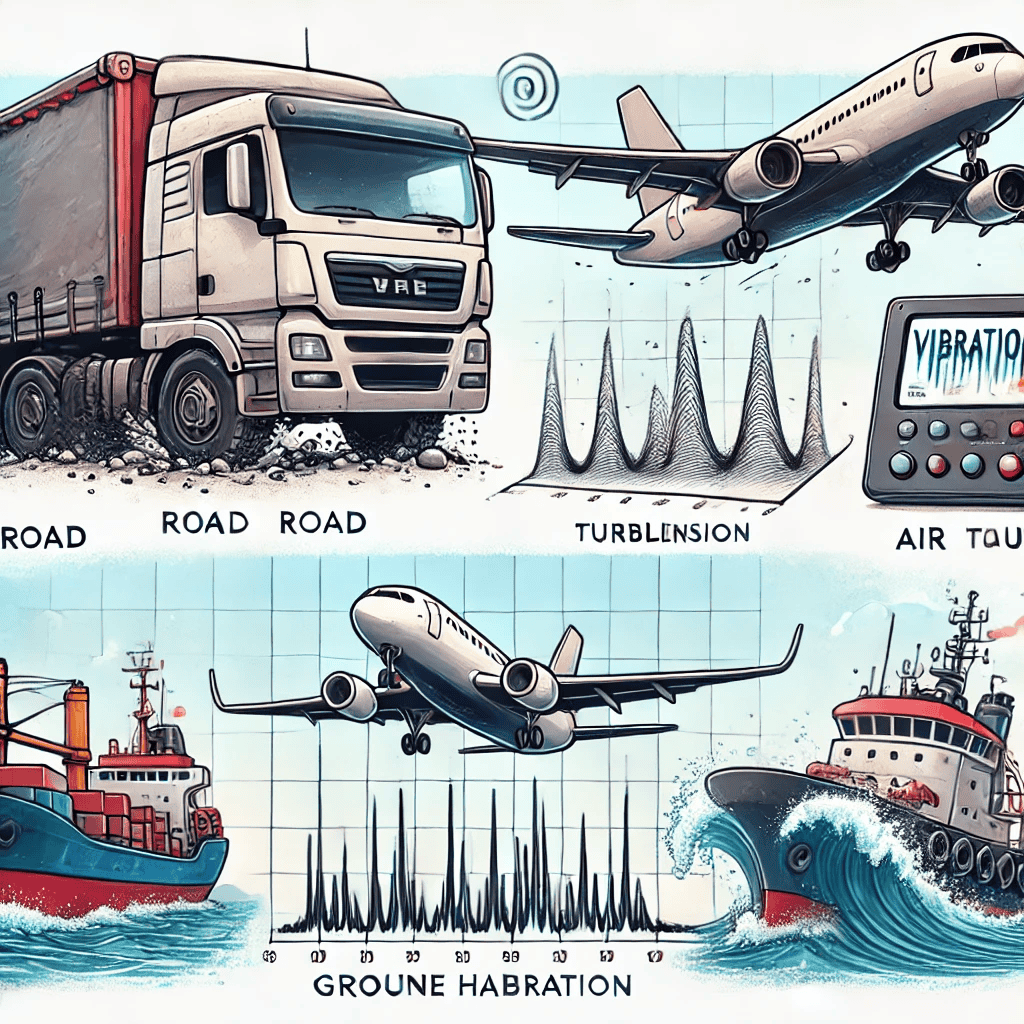
You wouldn’t believe the number of times I’ve had to deal with wine shipments gone wrong due to overlooked vibration sources. Road transport is usually the biggest culprit – those seemingly minor potholes and rough patches can create a perfect storm of continuous vibration. I remember one particularly disastrous shipment where a truck’s worn-out suspension system turned a premium wine collection into a lesson in what not to do.
Air freight comes with its own set of challenges. While turbulence is an obvious concern, I’ve found that the handling during loading and unloading can be just as damaging. There was this one time when I tracked a shipment with vibration monitors, and the highest spikes weren’t during the flight – they were during the ground handling phases!
Marine shipping might seem smoother, but those constant ocean swells can create subtle yet persistent vibrations. Railway transport is actually one of the more predictable methods, though those rail switches and track joints need careful consideration. I’ve learned to plan routes that minimize these impacts whenever possible.
How Different Types of Wine React to Vibration
Working with various wines over the years has taught me that each type has its own personality when it comes to handling vibration. Red wines, particularly those big, complex ones, tend to be the drama queens of the bunch. I once conducted a little experiment with a case of Cabernet Sauvignon, and let me tell you, the tannin structure showed noticeable changes after just one bumpy cross-country trip.
White wines are generally more resilient, which surprised me when I first started in this field. Their simpler phenolic structure means they’re less likely to show immediate effects from vibration. However, don’t let this fool you – they still need proper care during transport.
Sparkling wines? Now, that’s a whole different ball game. The pressurized environment inside those bottles makes them surprisingly sturdy, but the sediment from secondary fermentation can be disturbed by excessive movement. I learned this the hard way with a shipment of vintage champagne that needed extra settling time after transport.
Immediate vs. Long-term Effects of Wine Vibration during Transport
If there’s one thing that keeps me up at night, it’s knowing how wine vibration during transport can affect wine both immediately and over time. The short-term effects can be pretty obvious – I’ve opened bottles right after transport that showed muted flavors and disjointed characteristics. It’s like the wine goes into a temporary shock, something I noticed dramatically with a beautiful Pinot Noir that needed almost two weeks to “recover” from a rough journey.
The long-term impacts are trickier to spot but potentially more serious. Through years of observation, I’ve noticed that wines exposed to excessive vibration during transport often age differently than their properly handled counterparts. The aroma compounds seem particularly sensitive – I once compared two bottles from the same case, one that had been shipped properly and one that hadn’t, and the difference in bouquet development after five years was striking.
Color stability is another long-term concern that often gets overlooked. I’ve tracked numerous cases where wines that experienced significant vibration showed premature browning or loss of color intensity. The sediment redistribution can also have lasting effects – I’ve seen perfectly good wines ruined because disturbed sediment never quite settled back properly.
Professional Solutions for Vibration Protection
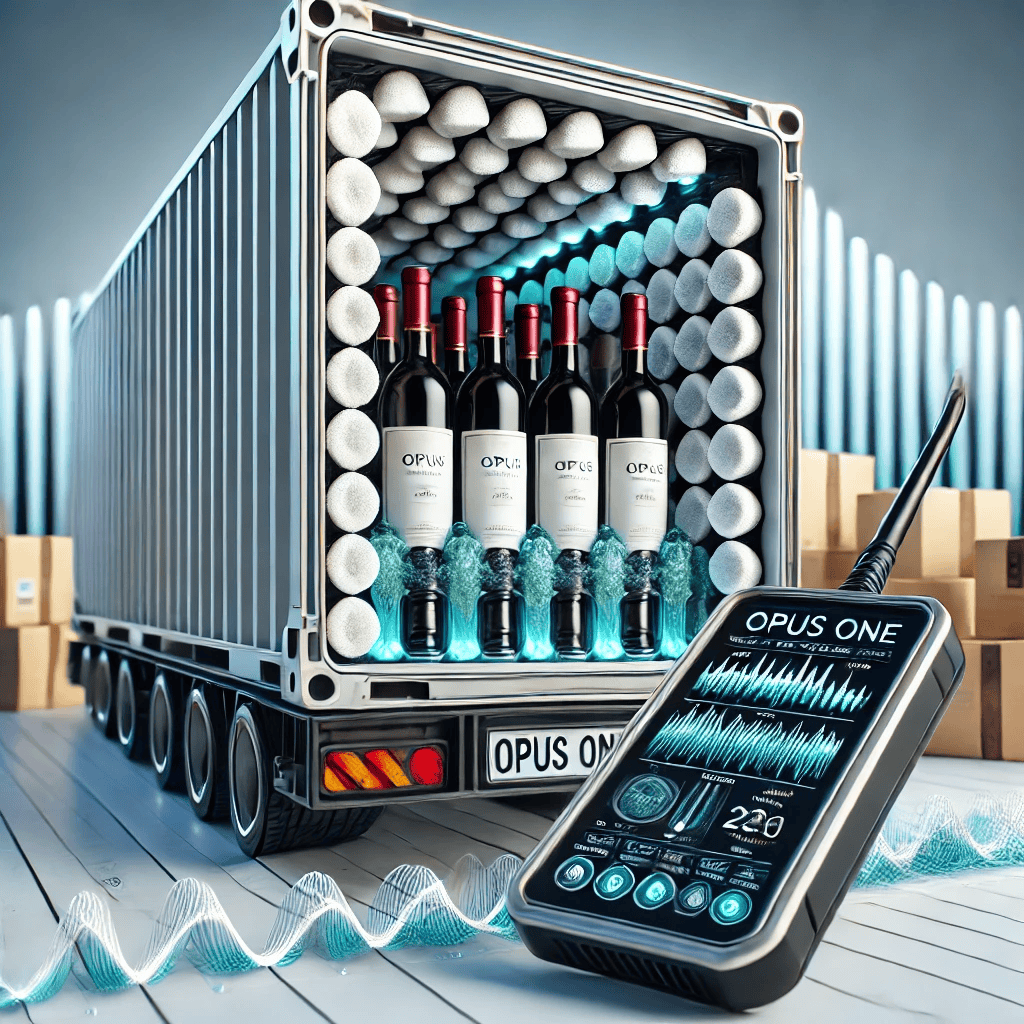
After seeing countless wines affected by poor handling, I’ve become somewhat obsessed with protection solutions. The game-changer for me was discovering specialized wine shipping containers with suspension systems. These babies aren’t cheap, but they’ve saved me from more potential disasters than I can count. I remember shipping a rare vertical of Opus One that arrived in perfect condition thanks to these containers.
The world of shock-absorbing materials has come a long way too. We’re not just talking about bubble wrap anymore – there are now materials specifically designed for wine vibration dampening. I’ve tested dozens of options, and the best ones combine foam density with strategic air pockets. Temperature control is crucial, too – I learned this lesson the expensive way when a shipment of fine Burgundy experienced both vibration and temperature fluctuations.
Modern vibration monitoring systems have been a real game-changer in my work. These smart devices can track movement patterns throughout the journey, helping identify potential problems before they affect the wine. I’ve established detailed handling protocols based on data from these monitors, and the improvement in wine quality upon arrival has been remarkable.
DIY Tips for Safe Wine Transportation
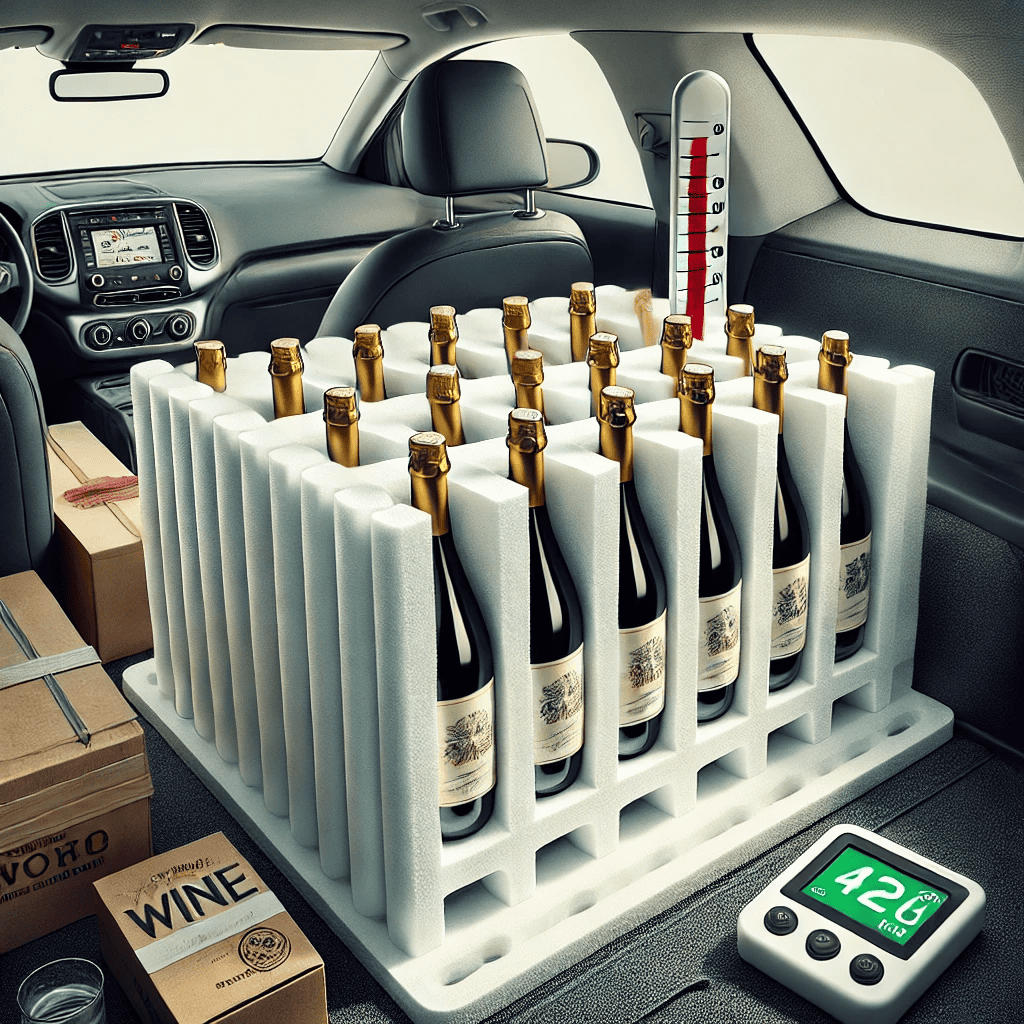
Listen, I know not everyone can afford professional wine shipping services – I couldn’t when I first started collecting. But there are some clever DIY solutions I’ve figured out through trial and error. Bottle positioning is crucial; I always pack bottles at a 45-degree angle, nestled snugly against each other. This simple trick has prevented countless bottles from getting damaged during transport.
The right packing materials make a huge difference. Skip the newspaper (yeah, I made that rookie mistake once) and invest in proper wine shipping foam. When driving with wine, vehicle selection matters more than you might think. I learned this lesson when I transported some precious bottles in my old sports car – big mistake! The stiff suspension transferred every bump straight to the wines.
Here’s a pro tip I wish someone had told me years ago: plan your journey like you’re transporting eggs. Avoid rough roads, and if possible, travel during cooler hours. I keep a thermometer in my wine transportation kit and monitor the temperature religiously. Even a short trip in a hot car can spell disaster for good wine.
Best Practices for Wine Collectors and Distributors
After years in this field, I’ve developed some non-negotiable practices for serious wine handling. Investing in proper equipment isn’t just about spending money – it’s about understanding what your specific collection needs. I made the mistake of trying to cheap out on storage solutions early in my career, and it taught me an expensive lesson about false economy.
Staff training has become a passion of mine, especially after seeing how many wine-handling issues stem from simple misunderstandings. I’ve developed a comprehensive training program that covers everything from basic wine knowledge to specific handling procedures. Quality control isn’t just a buzzword – it’s about creating consistent, repeatable processes that protect your investment.
Documentation has saved me more times than I can count, especially when dealing with insurance claims. I maintain detailed records of how each shipment is packed, transported, and monitored. Speaking of insurance, don’t skimp on coverage! I learned this lesson the hard way when an uninsured shipment of premium wines was damaged during transport. Now, I make sure every valuable shipment is properly covered, even if it means paying a bit more upfront.

FAQ – Wine Vibration During Transport
Q1: How long can wine safely travel without vibration protection?
A1: While brief exposure to minor vibrations may not cause significant damage, it’s recommended to use proper protection for any journey longer than 30 minutes to prevent potential quality degradation.
Q2: Does vibration affect all wines equally?
A2: No, aged red wines and sparkling wines are generally more sensitive to vibration than young white wines due to their complex chemical composition and sediment content.
Q3: What’s the best position to transport wine bottles?
A3: Wine bottles should ideally be transported lying flat or at a slight angle, ensuring the cork remains in contact with the wine while minimizing vibration impact.
Q4: Can vibration during transport cause wine to age prematurely?
A4: Yes, studies have shown that consistent vibration can accelerate the aging process by increasing chemical reactions within the wine.
Q5: How do professional wine shipping containers differ from regular packaging?
A5: Professional containers feature specialized foam inserts, shock absorption systems, and temperature control mechanisms designed specifically for wine protection.
Q6: What role does temperature play in vibration damage?
A6: Temperature fluctuations can amplify vibration damage by affecting the wine’s chemical stability and accelerating unwanted reactions.
Q7: Are there any visible signs of vibration damage in wine?
A7: Yes, excessive sediment distribution, cloudy appearance, and premature browning can indicate vibration damage.
Q8: How soon after transport should wine be consumed?
A8: It’s recommended to let wine rest for at least 7 days after transport to allow any disturbed sediment to settle and the wine to stabilize.
Q9: What’s the maximum safe level of wine vibration during transport?
A9: While there’s no universal standard, experts recommend keeping vibrations below 0.5g (acceleration of gravity) during transport.
Q10: Can vibration damage be reversed?
A10: Unfortunately, chemical changes caused by vibration are typically permanent and cannot be reversed.
Q11: What’s the best time of year to transport wine?
A11: Spring and fall offer optimal conditions with moderate temperatures, reducing the risk of temperature-related vibration damage.
Q12: How do different modes of transport affect wine?
A12: Air transport typically causes the least vibration damage, while road transport can be the most challenging due to constant movement.
Q13: Should I insure my wine during transport?
A13: Yes, particularly for valuable collections, as insurance can protect against potential vibration-related damage during transit. Pro Tip: Check the specialized US wine insurers, InsureMyWine or HORTEN, for details and a quotation.
Q14: How often should vibration monitoring devices be checked during transport?
A14: For professional shipments, monitoring devices should be checked at least every 4 hours during transit.
Q15: What’s the best way to test if wine has been affected by vibration?
A15: Compare it with an identical bottle that hasn’t been transported, noting differences in clarity, sediment distribution, and taste.
Conclusion
Understanding and mitigating the effects of wine vibration during transport is crucial for preserving wine quality. By implementing proper protection measures and following expert guidelines, you can ensure your precious bottles reach their destination in perfect condition.
To summarize, investing in proper transportation methods isn’t just about protecting your investment – it’s about preserving the artistry and craftsmanship that goes into every bottle.
Pro Tip: Personally, I highly recommend involving a professional wine shipping service, e.g., TWM / The Wine Mover. Don’t let poor transportation practices compromise your wine’s potential!
For your reference, the latest articles by Didi Somm include:
- EuroCave Vs Vintec Wine Cellar Systems: Compare And Get The Best One For You
- Wine Cellar Lighting Ideas: Create Your Unique Style And Ambiance
- Smart Wine Cellar Monitors: Best Performers Selected For You
- Expert Guide to Portable Wine Storage: All You Need to Know
- 10 Best Tips For Transporting Wine Safely: Your Expert Guide
- Best Wine Temperature During Transport – All You Need To Know
Important Notice: The information in this article is for general and public information purposes only. It solely reflects Didi Somm’s or his Staff’s opinion, and no responsibility can be assumed for errors or omissions in the service’s contents. For details, please check the Disclaimer at the bottom of the homepage.