Did you know that wine consumption in outdoor settings and travel-related wine activities has increased by 47% since 2020? As a long-time wine enthusiast and storage expert, I’ve seen firsthand how portable wine coolers have revolutionized the way we enjoy our favorite vintages away from home.
Whether you’re heading to a dinner party, planning a picnic, or want to ensure your wine is perfectly chilled during travel, having a reliable portable wine cooler is essential. In this comprehensive guide, I’ll share my expertise about the best portable wine coolers in the market and help you find the perfect one that matches your lifestyle and keeps your precious bottles at their optimal temperature wherever your adventures take you!
Welcome to Didi Somm and Cheers!
Important Notice: The information in this article is for general and public information purposes only. It solely reflects Didi Somm’s or his Staff’s opinion, and no responsibility can be assumed for errors or omissions in the service’s contents. For details, please check the Disclaimer at the bottom of the homepage.

Key Takeaways
- Portable wine coolers range from 1-12 bottle capacity
- Most models maintain temperatures between 41-64°F (5-18°C)
- Battery life typically ranges from 4-12 hours
- Price points vary from $50-$500
- Both thermoelectric and compressor cooling systems are available
- Many units offer dual-zone temperature control
- Look for models with vibration-reduction technology
Understanding Portable Wine Coolers
What is a portable Wine Cooler?
Portable wine coolers are specialized cooling devices designed specifically for wine enthusiasts who need to transport or temporarily store their wines at optimal temperatures. Unlike traditional wine refrigerators, these units prioritize mobility without compromising temperature control capabilities.
Thermoelectric- vs. Compressor-based Systems
The market offers two primary cooling technologies: thermoelectric and compressor-based systems. Thermoelectric coolers operate silently and have no moving parts, making them ideal for transport, while compressor systems provide more powerful cooling but add weight and complexity.
Difference between Wine Coolers and Standard Refrigerators
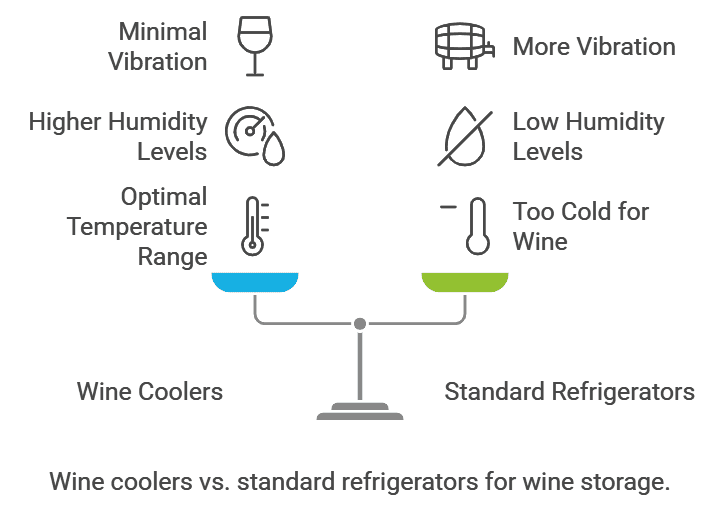
What sets portable wine coolers apart from standard refrigerators is their focus on maintaining specific wine-friendly temperatures while offering features like vibration reduction and UV protection – crucial elements for preserving wine quality during transport.
Temperature Control
Let me tell you, getting the temperature right in a portable wine cooler isn’t just about hitting a number – it’s an art! After years of experimenting (and, yes, sadly, serving a few bottles at less-than-ideal temperatures), I’ve learned that precision is everything. The sweet spot for most wines falls between 41-64°F, but here’s the cool part: different wines need different temperatures to really shine.
I remember this one embarrassing dinner party where I served a premium Cabernet way too cold because I hadn’t properly configured my dual-zone cooler. Talk about a rookie mistake! Now, I always keep my reds around 55-65°F and my whites between 45-55°F. The digital display on my current cooler has been a game-changer – no more guessing games!
What’s really neat about modern portable coolers is their dual-zone capability. Just yesterday, I was able to transport both a Chardonnay and a Merlot to a friend’s house, each at their perfect serving temperature. The digital displays make it super easy to monitor and adjust temperatures on the go. Trust me, your wine-loving friends will definitely notice the difference!
Design and Capacity
When it comes to portable wine coolers, size really does matter – but not in the way you might think! I learned this lesson the hard way after lugging around a 12-bottle cooler to a small dinner party. Talk about overkill! These days, I’m all about finding that sweet spot between capacity and portability.
Pro Tip: For most occasions, I’ve found that a 4-6 bottle capacity hits the perfect balance. It’s enough to bring a nice selection without feeling like you’re moving your entire wine cellar! The key features to look for are sturdy handles (your back will thank you later) and secure closures. I once had a cheaper model with flimsy latches, and let’s just say that Pinot Noir doesn’t look great on cream carpets!
The best designs I’ve come across feature compact dimensions that still maximize internal space. My current go-to is about the size of a carry-on suitcase but can safely transport six bottles. Look for models with adjustable dividers – they’re super handy when you need to accommodate different bottle shapes. And please, learn from my mistakes: always test the handle strength before loading up your precious cargo!
Power Options
Can we talk about power options for a second? Because this is where I’ve seen so many wine enthusiasts get caught off guard! After that one time, I showed up to a beach picnic with a dead battery (and warm Prosecco – the horror!), I’ve become somewhat of a power option guru.
The game-changer for me was discovering coolers with both AC and DC adapters. Being able to plug into your car’s 12V outlet during a road trip is absolutely brilliant! I keep both adapters in a little bag attached to my cooler – organization is key, folks! Battery operation is fantastic for those outdoor events, but here’s a Pro Tip: always check the battery life indicator before heading out. Most quality coolers will give you 4-12 hours of cooling, but I always pack a backup power bank just in case.
What really impresses me about newer models is their power-saving modes. My current cooler automatically adjusts its power consumption based on the ambient temperature. Pretty neat, right? And it helps stretch that battery life when you need it most. Just remember to fully charge before any big event – there’s nothing worse than watching your wine slowly warm up during a sunset beach party!
Protection Features
Listen, if there’s one thing I’ve learned from 15 years of collecting wine, it’s that these precious bottles need serious protection! I still cringe thinking about that expensive Bordeaux I ruined by exposing it to direct sunlight during a summer garden party. That’s why I’m pretty much obsessed with UV protection features now.
The best portable coolers I’ve tested come with specialized UV-resistant glass or materials that block harmful rays. Think of it as sunscreen for your wine! But protection isn’t just about UV rays. The real game-changer for me was discovering anti-vibration systems. Who knew that those tiny vibrations from carrying your cooler could actually affect the wine? My current favorite model has this amazing rubber mounting system that keeps everything super stable.
Here’s a pro tip that took me way too long to figure out: look for coolers with individual bottle holders or adjustable dividers. After watching a bottle slip during transport (thankfully, it didn’t break!), I’ve become a stickler for proper bottle security. The best systems literally cradle each bottle like a baby in a car seat!
Best Overall Portable Wine Coolers
Premium Category
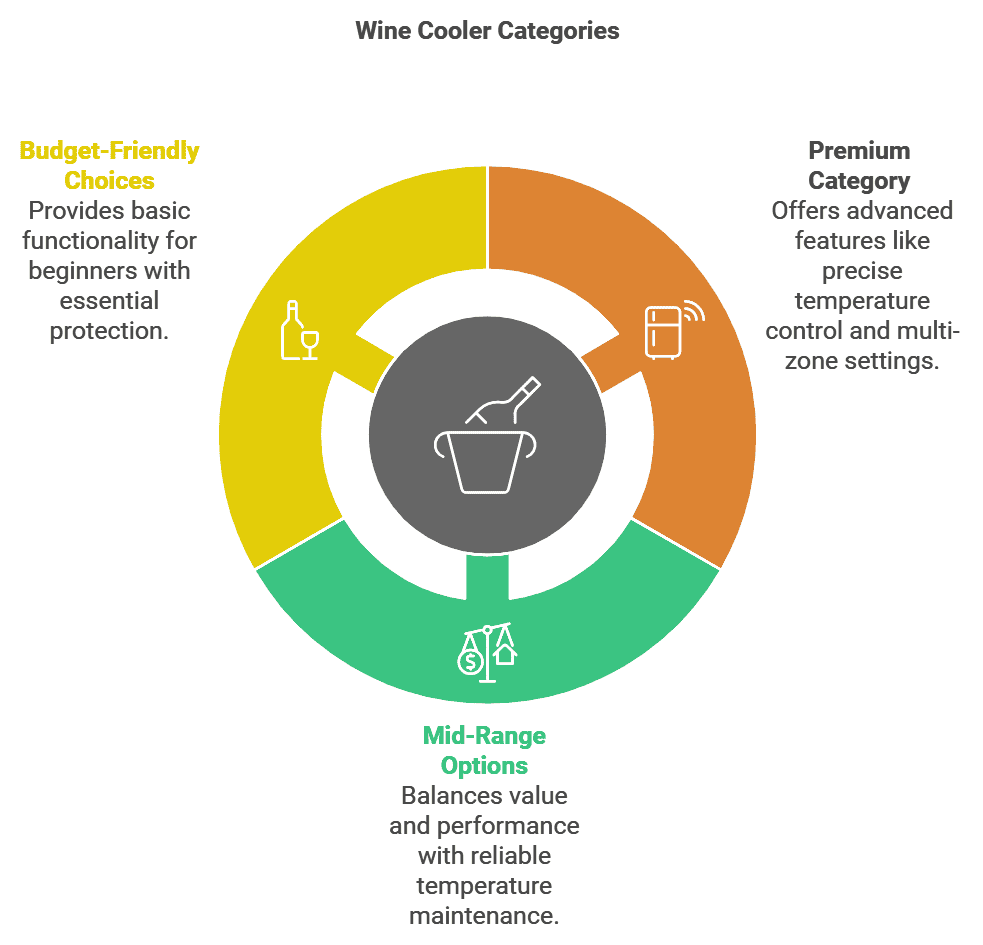
Okay, let’s talk about the cream of the crop! After testing dozens of high-end models, I can tell you that spending more really does get you some amazing features. My current premium cooler has been a total revelation – it’s like the Tesla of wine transport!
These top-tier models absolutely nail temperature control. We’re talking about precision down to 1 degree, which might sound like overkill until you’ve experienced how it affects your wine. The battery life is phenomenal too – I recently used mine for an entire weekend wine country tour without needing a recharge. Talk about convenience!
What really blows me away about premium models is their humidity control. I used to struggle with cork dry-out during longer transport, but that’s ancient history now. And don’t get me started on the multi-zone temperature settings – being able to store reds, whites, and champagne all at their perfect temperatures in one unit? Absolute game-changer!
Mid-Range Options
Here’s where things get interesting – the sweet spot of value and performance! I’ve found that mid-range portable wine coolers offer the best bang for your buck. After using both budget and premium models, I settled on a mid-range cooler for my regular wine transport needs, and honestly, it’s been fantastic!
The portability features are where these models really shine. Good handles, decent weight distribution, and enough battery life to get through a long afternoon event. Plus, the basic protection features do a solid job – I haven’t had any issues with temperature fluctuations or UV exposure in my mid-range cooler.
Budget-Friendly Choices
Let’s get real about budget options – they’re not perfect, but they can definitely get the job done! I started my wine journey with a basic model, and while I’ve since upgraded, I still recommend these to beginners. But here’s a trick I learned: pre-cool your wines at home and use the cooler mainly for temperature maintenance.
Despite their limitations, these coolers offer essential protection features that are way better than no protection at all! I successfully used my first budget cooler for picnics and dinner parties for over a year before upgrading. Just remember to check the temperature more frequently and plan your trips around the shorter battery life.
Affiliate Disclaimer: This page may include Affiliate links, meaning that we get a commission if you decide to purchase through this site at no extra cost to you. Please read our Disclaimer for your info.
Specialized Portable Wine Coolers
Single Bottle Carriers
You know what’s funny? I used to think single bottle carriers were kind of pointless – until I found myself regularly bringing “just one special bottle” to dinner parties! These compact carriers have become my secret weapon for those intimate gatherings where one perfect bottle is all you need.
The beauty of these carriers lies in their simplicity. They’re incredibly lightweight – most weigh less than a pound empty – and can cool a bottle surprisingly quickly. I’ve gotten my white wines to the perfect serving temperature in about 20 minutes, which has saved me more than once when I’ve forgotten to pre-chill!
Pro tip: Look for models with good insulation and a secure closure system. You’d be surprised how many cheap ones skip these essential features!
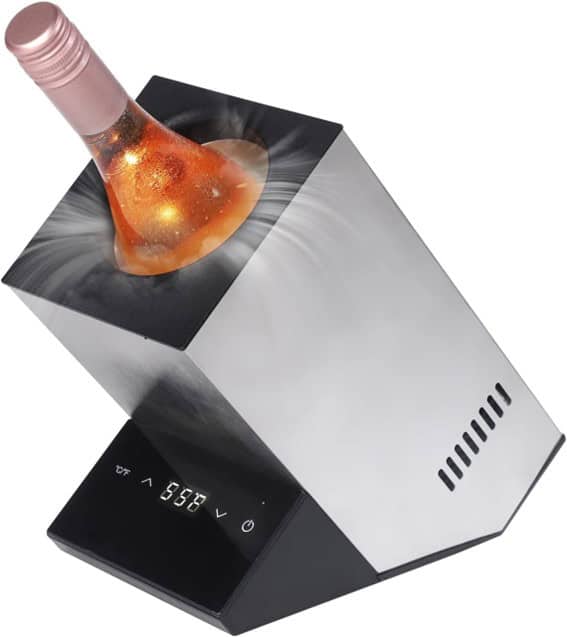
Our Recommendation: The Cobalance Wine Chiller Electric is made from stainless steel. It has an LED display that allows you to view and adjust the temperature easily, between 41℉-64℉ (5℃-18℃). Price: US$126.-
Multi-Bottle Transport Solutions
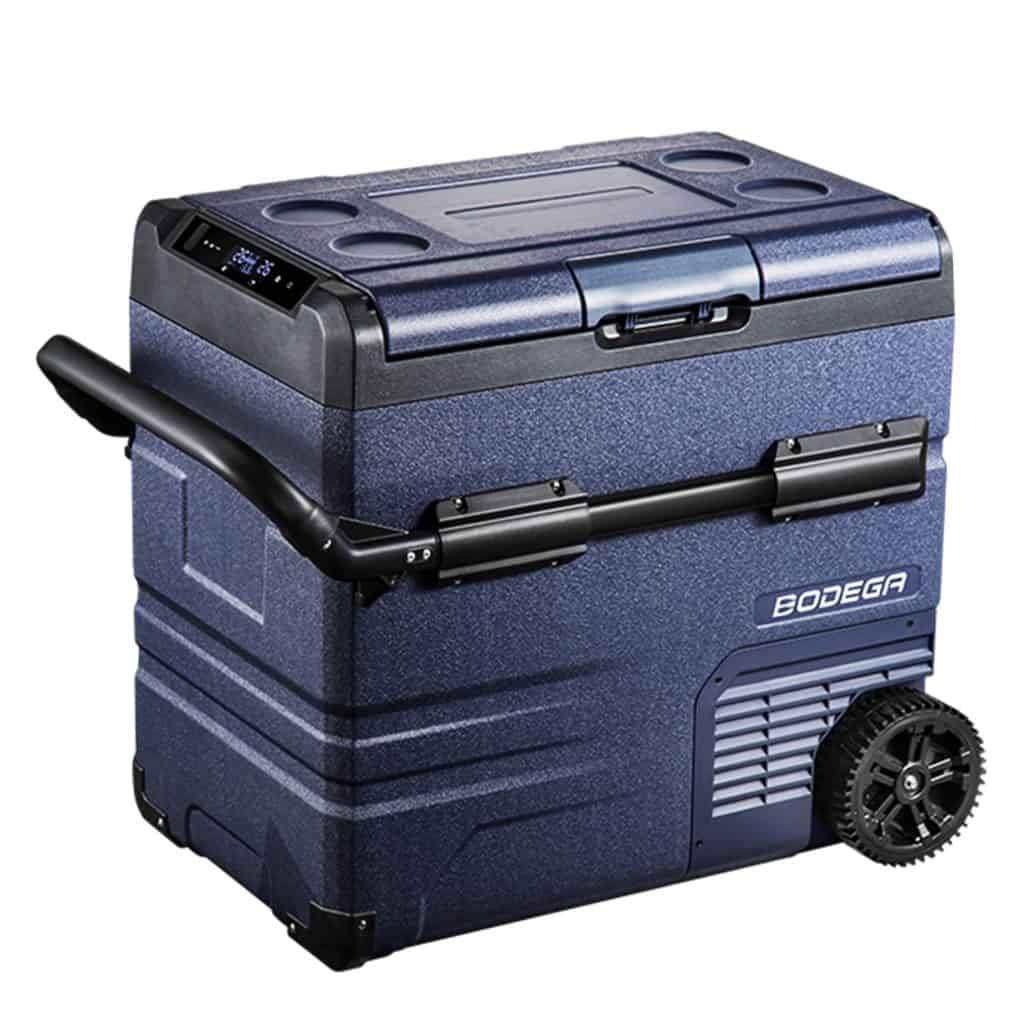
After years of hosting wine-tasting events, I’ve become a huge fan of multi-bottle transport solutions. These workhorses offer “all-around” versatile use as camping refrigerators and portable wine coolers! I remember my first big wine club pickup – trying to transport six bottles in a regular cooler was a disaster waiting to happen. That’s when I invested in a proper multi-bottle carrier, and wow, what a difference!
The 6-12 bottle capacity is perfect for small gatherings or wine club pickups. I especially love the enhanced protection features in these larger units. Plus, the multiple temperature zones mean I can transport my whites at 45°F while keeping reds at a perfect 55°F. Additionally, there is enough space to keep appetizers, e.g. cheese, etc., cool in the lower temperature compartment.
The robust construction really matters when you’re carrying multiple bottles. Trust me on this – I learned the hard way after a cheaper carrier’s handle gave way (thankfully, no bottles were harmed!). Look for reinforced corners and industrial-grade handles. Yes, they make the unit a bit heavier, but that extra weight is worth the peace of mind.
Car-Specific Wine Coolers
Let me tell you about car-specific wine coolers – they’re absolute game-changers for road trips! After that one time I tried to balance a regular portable cooler in my backseat (not my finest moment), I invested in a proper car-specific model, and I’ve never looked back.
The 12V compatibility is brilliant – plug it right into your car’s power outlet, and you’re good to go. But here’s what really impresses me: the secure mounting options. My current model has these clever straps that attach to the seat anchors, keeping everything stable even on winding roads. The vibration dampening is absolutely crucial here – it’s amazing how much movement happens during a car journey!
Pro tip: Look for models with temperature stability features specifically designed for car use, and don’t forget to check the power draw – some models can be a bit hungry on your car’s battery. An ideal model for car and outdoor use is the above-mentioned Bodega Portable Dual Zone Cooler. It is 12V compatible and has a detachable battery providing cooling for up to 10 hours – perfect for your wine party or any outdoor event.
How to Choose the Right Portable Wine Cooler
Usage Patterns
Listen up because this is where I see a lot of people go wrong! Before you get swept away by fancy features, you need to really think about how you’ll use your wine cooler. I made this mistake early on – bought a huge 12-bottle carrier when I really only needed something for occasional dinner parties.
The frequency of transport is key. If you’re like me and attend weekly wine tastings, durability becomes super important. I keep track of how long I typically need cooling power – for most of my events, 4-6 hours is plenty, but I once got caught short during an all-day outdoor wine festival. Now, I always consider the maximum time I might need.
Common destinations matter, too! I primarily use mine for dinner parties and outdoor events, so I needed something that could handle both environments. Think about where you’ll be using yours – car travel? Beach picnics? Dinner parties? Each scenario has different power needs and durability requirements.
Environmental Factors
This is where things get scientific, but stick with me! Living in a variable climate has taught me some valuable lessons about wine transport. That gorgeous summer day can turn into your wine’s worst enemy if you don’t plan for environmental factors.
I always consider local climate conditions first. In my area, summers can hit 90°F, which means my cooler needs to work harder. Direct sunlight is another big factor – I learned this after leaving my cooler in the sun during a garden party (rookie mistake!). Now, I always check the UV protection rating and plan shaded storage spots.
Temperature fluctuations can be tricky to manage. I’ve found that better-insulated coolers handle these changes more gracefully. Pro tip: pre-cool your cooler before loading it up. This helps maintain stable temperatures much better, especially when moving between indoor and outdoor environments.
Technical Requirements
Alright, let’s get into the nitty-gritty! After years of trial and error, I’ve learned that matching technical specs to your needs is crucial. It’s not just about buying the most powerful cooler – it’s about finding the right fit for your specific situation.
Cooling capacity is super important, but it needs to match your typical bottle load. I wasted money on an oversized unit before realizing I rarely needed to cool more than 4 bottles at once. Power source availability is another big consideration – I always map out where I can plug in or recharge during longer events.
Size constraints caught me off guard initially. Make sure to measure your storage space and typical transport areas (car trunk, backseat, etc.). I once bought a cooler that was perfect in every way, except it didn’t fit in my car’s trunk space – talk about frustrating!
Maintenance and Care Tips
Let me share some hard-earned wisdom about keeping your wine cooler in top shape. Regular maintenance isn’t just about cleanliness – it’s about protecting your investment and your wine!
The cleaning routine might seem obvious, but there’s an art to it. Always unplug first (yes, I learned this the hard way), and use gentle cleaners – those harsh chemical cleaners can leave residues that affect wine storage. I’ve developed a monthly cleaning ritual that keeps everything pristine: mild soap solution, thorough drying, and special attention to those easily forgotten corners.
Performance monitoring is crucial. I check the temperature accuracy monthly using a separate thermometer – you’d be surprised how these units can drift over time. Battery maintenance is especially important for portable units. I learned to keep track of charging cycles and always test the battery before important events.
Expert Tips for Using Portable Wine Coolers
Temperature Management
After years of transporting wine to events, I’ve pretty much become a temperature management ninja! Let me share my biggest discovery: pre-cooling your unit is absolutely essential. I learned this lesson during a summer garden party when my cooler took forever to reach the right temperature – now, I always pre-cool for at least an hour before loading any bottles.
Monitoring temperature during use has become second nature to me. Here’s a pro tip that took me way too long to figure out: don’t trust the digital display blindly. I keep a small separate thermometer in there just to double-check. You’d be surprised how often the readings can be off by a few degrees, especially in older units.
The real game-changer was learning how to adjust settings based on wine type. Each variety has its sweet spot, and I’ve found that subtle temperature differences can dramatically affect taste. For example, I serve my Champagne at 45°F, while keeping my Pinot Noir at a perfect 55°F. Give your cooler time to stabilize after adjusting temperatures – rushing this process never ends well, trust me!
Transport Preparation
Oh boy, let me tell you about transport preparation – this is where the magic happens! After one disastrous experience with a loose bottle (RIP, beautiful Bordeaux), I developed what I call my “Pre-Flight Checklist.” It might seem like overkill, but it’s saved my wines more times than I can count!
First things first: securing those bottles properly is crucial. I use additional padding between bottles, especially for those special vintages. Think of it as a seat belt for your wine! The battery check is another non-negotiable step – I once had my cooler die halfway through a beach picnic, and let’s just say warm Chardonnay isn’t anyone’s friend.
Power management during transport is an art form. I’ve learned to enable power-saving features right from the start, even on short trips. It’s better to have extra battery life than to run out! Here’s a tip that’s served me well: plan your power sources like you’re planning a road trip. I map out where I can plug in or recharge, especially for longer events.
My latest power-saving hack? Using frozen gel packs as backup cooling. They help the cooler work more efficiently and provide emergency cooling if power becomes an issue. Just make sure they’re wrapped in cloth to prevent direct contact with the bottles – another lesson learned the hard way!
Advanced Usage Tips You Won’t Find in the Manual
Let me share some insider tricks I’ve discovered over years of wine transport adventures! These aren’t in any manual, but they’ve saved me countless times. For instance, I always keep a small humidity gauge in my cooler. Why? Because maintaining proper humidity levels (around 70%) helps protect those precious corks, especially during longer transport.
Temperature recovery is something most people don’t think about. Every time you open your cooler, the temperature changes. I’ve learned to minimize opening times and, when possible, organize bottles so the ones I need are easily accessible. It’s like playing Tetris with wine bottles – and yes, it can be just as addictive!
Here’s another gem: seasonal adjustments matter. In summer, I pre-cool my bottles slightly more than needed, knowing there will be some temperature rise during transport. In winter, I’m more concerned about protecting the wines from getting too cold in my car. These little adjustments make a huge difference in maintaining perfect serving temperatures.
Emergency Situations and Troubleshooting
Let’s talk about those “uh-oh” moments – because they happen to everyone! I’ve developed some quick fixes for common issues. If your cooler starts warming up unexpectedly, the first thing to check is the airflow. You’d be amazed how often a blocked vent is the culprit. I once found my cooler struggling because a paper bag had fallen against the ventilation panel!
Power issues are another common challenge. I always carry a high-capacity power bank as backup, and I’ve learned which power-hungry features to disable first when trying to conserve battery life. The display light, for instance, uses more power than you might think. Turning it off can add precious minutes to your battery life.
Temperature fluctuations can be tricky to handle. If you notice sudden changes, check the seal around the door first – it’s often the sneaky culprit. I carry a small roll of weather stripping in my cooler bag for emergency seal repairs. It might sound excessive, but it’s saved more than one wine-tasting event!
Remember, the key to successful wine transport isn’t just about having the right equipment – it’s about knowing how to use it effectively and being prepared for anything. After all, we’re not just moving bottles; we’re protecting precious moments waiting to be shared!

FAQ – Best Portable Wine Coolers
- What’s the difference between a portable wine cooler and a regular wine fridge?
A portable wine cooler is designed for temporary storage and transport, typically holding fewer bottles (1-12) and running on multiple power sources, including batteries. Regular wine fridges are larger, permanent fixtures meant for long-term storage, usually holding 18+ bottles and requiring constant AC power. - How long do portable wine cooler batteries typically last?
Most portable wine cooler batteries last between 4-12 hours on a single charge, depending on the model and ambient temperature. Premium models can last up to 24 hours, while budget options might only provide 2-3 hours of cooling. - Can portable wine coolers maintain different temperatures for red and white wines?
Yes, many higher-end portable wine coolers offer dual-zone temperature control, allowing you to store red wines at 55-65°F (13-18°C) and white wines at 45-55°F (7-13°C) simultaneously. However, single-zone models are more common in portable units. - Are portable wine coolers worth the investment?
For wine enthusiasts who frequently transport wine or attend outdoor events, portable wine coolers are definitely worth the investment. They protect wine from temperature fluctuations and UV damage, preserving its quality and taste during transport. The value depends on your lifestyle and wine consumption habits. - How do I clean my portable wine cooler?
Clean your portable wine cooler by first unplugging it, removing all bottles, and wiping down the interior with a solution of mild dish soap and warm water. Avoid harsh chemicals. Dry thoroughly with a soft cloth, and clean the exterior with a damp cloth. Pay special attention to the vents and fan areas. - What’s the ideal temperature for storing wine in a portable cooler?
The ideal temperature depends on the wine type. Generally, store red wines at 55-65°F (13-18°C), white wines at 45-55°F (7-13°C), and sparkling wines at 41-45°F (5-7°C). Most portable coolers can maintain temperatures within these ranges. - Can I use my portable wine cooler in my car?
Yes, many portable wine coolers come with 12V DC car adapters and can be used during transport. However, ensure the unit is secured to prevent tipping and check that your car’s power outlet can handle the cooler’s power requirements. - How many bottles can a typical portable wine cooler hold?
Portable wine coolers typically hold between 1-12 bottles, with the most common sizes being 4-6 bottles. Single-bottle carriers and larger 12-bottle units are available for specific needs, but larger capacities may compromise portability. - Do portable wine coolers protect against UV rays?
Most quality portable wine coolers feature UV-resistant materials or special glass doors that block harmful UV rays. This protection is crucial as UV exposure can degrade wine quality and cause premature aging. - What’s the average lifespan of a portable wine cooler?
With proper maintenance, a quality portable wine cooler typically lasts 3-5 years. Premium models can last up to 8-10 years, while budget options might need replacement after 2-3 years of regular use. - Can I store opened bottles in a portable wine cooler?
Yes, you can store opened bottles in a portable wine cooler, but ensure they are properly sealed with a wine stopper. Most units can accommodate opened bottles standing upright, though this may reduce the total capacity. - Are thermoelectric or compressor coolers better for portability?
Thermoelectric coolers are generally better for portability as they’re lighter, quieter, and have no moving parts. However, compressor coolers are more powerful and better at maintaining consistent temperatures, especially in warm environments. - How noisy are portable wine coolers?
Thermoelectric portable wine coolers operate at around 25-30 decibels (similar to a whisper), while compressor-based units can reach 35-45 decibels (similar to a quiet library). Most portable units are designed to be quieter than standard wine fridges. - Can portable wine coolers be used for long-term storage?
While portable wine coolers can maintain proper temperature for extended periods when plugged in, they’re not ideal for long-term storage. They’re designed for transport and temporary storage up to a few weeks. For long-term aging, use a dedicated wine cellar or standard wine fridge. - What safety features should I look for in a portable wine cooler?
Look for features like automatic shut-off protection, temperature alarms, secure locks, anti-vibration systems, and tip-over protection. Also important are non-slip feet, sturdy handles, and proper ventilation systems to prevent overheating.
Conclusion
Selecting the right portable wine cooler is crucial for wine enthusiasts who value both mobility and proper wine storage. Consider your specific requirements, usage patterns, and the features that matter most to you when making your selection.
When researching Portable Wine Coolers, we noticed that there aren’t too many specific wine-cooler models in the market but a variety of high-quality all-rounder models originating from the outdoor goods market – this is especially true for the models exceeding one bottle.
Equipped with the information in this article, we hope you’ll be able to find the perfect portable wine cooler for your needs. Please share your experiences in the comments below or reach out with any questions about selecting the ideal portable wine cooler for your lifestyle.
Good luck on your journey, and cheers!
For your reference, the latest articles by Didi Somm include:
- Wine Cellar Lighting Ideas: Create Your Unique Style And Ambiance
- Smart Wine Cellar Monitors: Best Performers Selected For You
- Expert Guide to Portable Wine Storage: All You Need to Know
- 10 Best Tips For Transporting Wine Safely: Your Expert Guide
- Best Wine Temperature During Transport – All You Need To Know
- Wine Vibration During Transport: Get 7 Expert Tips and More
Important Notice: The information in this article is for general and public information purposes only. It solely reflects Didi Somm’s or his Staff’s opinion, and no responsibility can be assumed for errors or omissions in the service’s contents. For details, please check the Disclaimer at the bottom of the homepage.