Did you know that 71% of wine enthusiasts report that improper storage has ruined at least one bottle of their collection?
I’ve been there, and it’s heartbreaking! As a wine specialist and storage consultant, I’m here to guide you through the intricate world of wine refrigeration.
Whether you’re a budding collector or a seasoned connoisseur, this comprehensive wine refrigerator guide will help you choose the best wine refrigerator for you and protect your valuable wine investment.
From temperature control to humidity management, we’ll explore everything you need to know about wine refrigerators.
Welcome to Didi Somm and Cheers!
Important Notice: The information in this article is for general and public information purposes only. It solely reflects Didi Somm’s or his Staff’s opinion, and no responsibility can be assumed for errors or omissions in the service’s contents. For details, please check the Disclaimer at the bottom of the homepage.
Key Takeaways
- Optimal wine storage temperature ranges from 45°F to 65°F (7-18°C)
- Dual-zone wine refrigerators offer versatility for different wine types
- Proper humidity levels (50-70%) are crucial for long-term wine storage
- Regular maintenance extends your wine refrigerator’s lifespan
- Investment in quality units can protect thousands of dollars in wine value
Understanding Wine Refrigerator Basics
Let me tell you about my first experience with wine storage – it wasn’t pretty! I had just inherited a collection of vintage wines from my uncle, and I thought storing them in my regular kitchen refrigerator would do the trick. Boy, was I wrong! That mistake taught me the crucial importance of proper wine storage, and I’ve spent years learning about wine refrigerators since then.
A wine refrigerator, unlike your regular fridge, is specifically designed to maintain the perfect environment for wine aging and preservation. Regular refrigerators are actually too cold (usually around 40°F) and too dry for wine storage, which can damage your precious bottles over time. Plus, they vibrate more than you might realize, which can disturb the sediment in your wines.
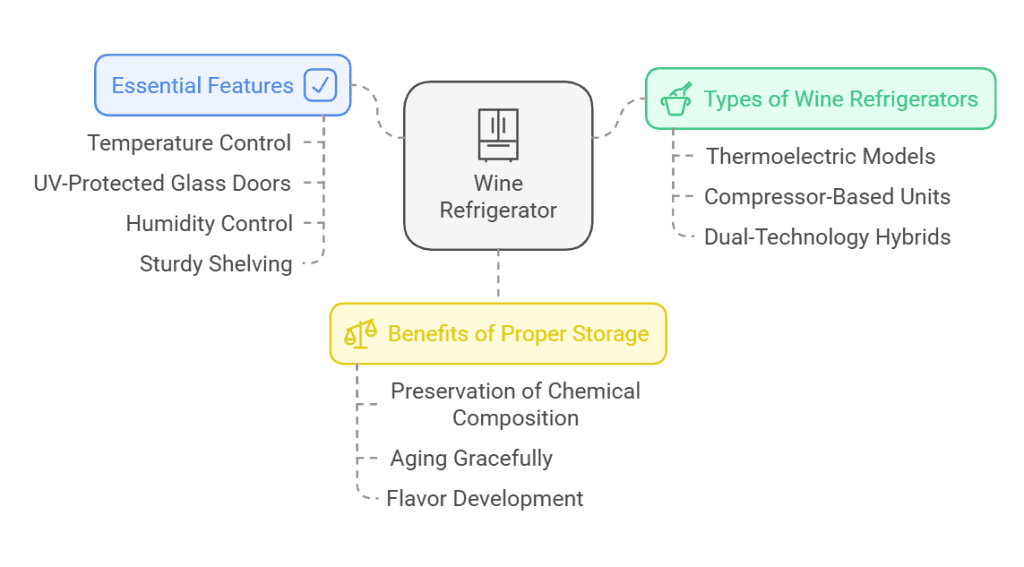
In my journey through the world of wine storage, I’ve come across three main types of wine refrigerators. First, there are the thermoelectric models, which are super quiet and vibration-free – perfect for smaller collections. Then you’ve got the traditional compressor-based units, which offer more powerful cooling capabilities and better temperature stability for larger collections. The third type is the dual-technology hybrid, which combines both cooling methods for optimal performance.
When I’m helping friends choose their first wine fridge (yeah, I’ve become that go-to wine storage guy!), I always emphasize looking for specific features that make a quality unit. The absolute must-haves include precise temperature control (ideally within ±1°F), UV-protected glass doors (sunlight is wine’s enemy), proper humidity control (50-70% is ideal), and sturdy shelving that minimizes vibration. Trust me, I learned about the importance of good shelving the hard way when one of my cheaper units had a shelf collapse!
The benefits of proper wine storage temperature can’t be overstated. I’ve conducted blind tastings with properly stored wines versus bottles kept in regular fridges or at room temperature, and the difference is mind-blowing. The ideal storage temperature range of 45-65°F (depending on the wine type) helps preserve the wine’s chemical composition, allowing it to age gracefully and develop those complex flavors we all love. I once saved a $200 bottle of Bordeaux from a friend who was keeping it on top of his refrigerator – the warmest spot in his kitchen! Now, it’s aging beautifully in his new wine fridge.
Choosing the Right Wine Refrigerator Size
When it comes to selecting the perfect size for your wine refrigerator, I’ve learned one universal truth: always go bigger than you think you need! I started with what I thought was a reasonably sized 30-bottle unit, and within six months, I was playing Tetris with my bottles, trying to make everything fit. It’s a common mistake I see many wine enthusiasts make.
Calculate Storage Needs
To calculate your storage needs accurately, start by counting your current collection and then add about 50% more capacity for future growth. Trust me on this one – your collection will grow! I recommend keeping a detailed inventory spreadsheet (I can share mine if you’re interested) that tracks not just quantities but also bottle sizes. Those larger Champagne bottles and odd-shaped bottles from boutique wineries can really throw off your storage calculations.
Wine Refrigerator Sizes
The market offers an impressive range of sizes, from compact 12-bottle units perfect for apartments to massive 300+ bottle cellars for serious collectors. In my experience helping clients choose the right size, I’ve found the sweet spot for most enthusiasts lies between 50-100 bottles. This gives you enough room for a diverse collection while remaining manageable in terms of space and cost.
Space Considerations
Speaking of space considerations, let me share a pro tip I learned the hard way: always measure your space three times! Don’t forget to account for ventilation space (usually 2-3 inches on all sides) and door swing radius. I once had a client who bought a beautiful 150-bottle unit only to discover it wouldn’t fit through their doorway – we had to remove the door frames to get it in!
Built-In vs. Freestanding Type
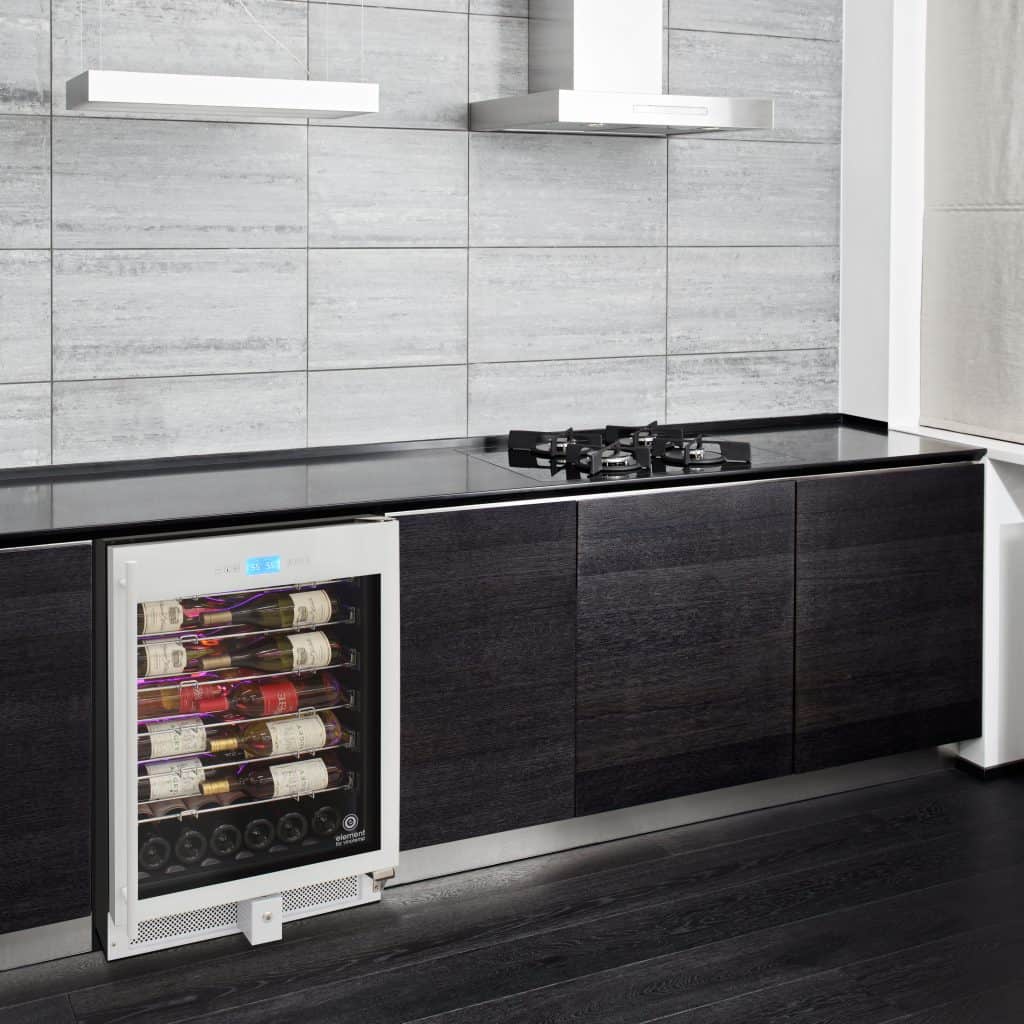
The built-in versus freestanding decision is crucial and depends largely on your space and budget. Built-in units are designed to be installed flush with your cabinetry and vent from the front, making them perfect for integrated kitchen designs. I installed a 41-bottle built-in unit during my kitchen renovation, and it’s been a showstopper! Freestanding models, on the other hand, need more breathing room but offer greater flexibility in placement and are typically more affordable. Just remember – never try to install a freestanding unit in a built-in space. I’ve seen the overheating issues that can cause, and it’s not pretty!
Essential Features and Technologies
Over my years of experience with wine storage, I’ve learned that the difference between a good wine refrigerator and a great one often comes down to its features and technologies. Let me share some insights that have saved my wine collection (and my sanity) multiple times!
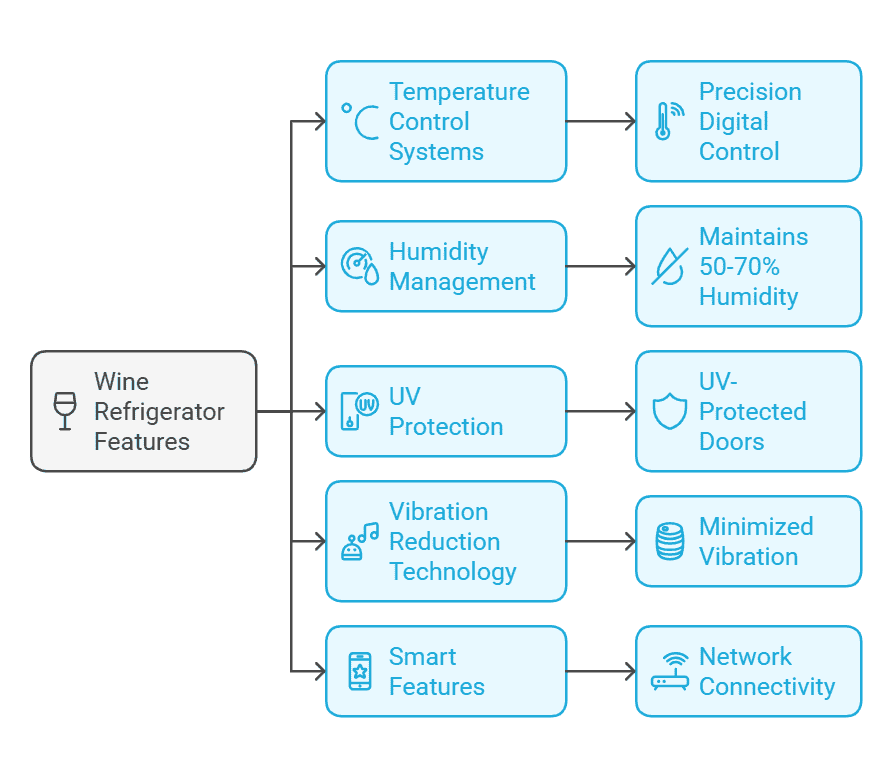
Temperature control systems are the heart of any wine refrigerator, and precision is key. The best units I’ve worked with offer digital temperature control with accuracy within ±1°F. I remember when I first upgraded from a basic mechanical thermostat to a digital system – the difference in temperature stability was like night and day! Look for units with external temperature displays so you can monitor conditions without opening the door. I also recommend getting a separate thermometer to verify the accuracy of your unit’s built-in sensor.
Humidity management is crucial but often overlooked. I learned this lesson when I found some labels peeling off my bottles in an older unit that lacked proper humidity control. Modern wine refrigerators should maintain humidity levels between 50-70%. Some high-end units come with built-in humidity control systems, but I’ve found that even a simple humidity tray can work wonders in basic models. I keep a digital hygrometer in my units to monitor moisture levels.
The importance of UV protection became crystal clear to me when a friend stored his collection in a beautiful but unprotected glass-door unit. Within months, several bottles showed signs of light damage! Today’s quality wine refrigerators come with UV-protected glass doors or solid doors. I personally prefer the double-paned, UV-treated glass doors – they protect the wine while still letting me showcase my collection.
Vibration reduction technology is another game-changer. Wine doesn’t like to be shaken, not even a little bit. The best units use advanced compressor mounting systems and specially designed shelving to minimize vibration. I upgraded to a unit with rubber-mounted compressors and wooden shelves, and the difference in sediment disturbance is remarkable. My older Bordeaux bottles particularly appreciate the gentle treatment!
Smart features have revolutionized wine storage. My current unit connects to my home network and alerts me if there’s a temperature fluctuation or power outage. During a recent summer blackout, this feature saved my entire collection! Look for features like temperature logging, door open alerts, and mobile app control. While these might seem like luxury additions, they’ve proven their worth in protecting valuable collections. The ability to monitor and adjust settings remotely has been invaluable, especially when I’m traveling.
Temperature Zones and Wine Storage
After spending years managing wine collections, I’ve become somewhat obsessed with temperature zones – and for good reason! The right temperature can make or break your wine storage strategy, and understanding zone configurations has saved countless bottles from improper storage conditions.
Single-Zone vs. Dual-Zone Wine Refrigerator
Let’s talk about single-zone versus dual-zone configurations. I started with a single-zone unit, which works perfectly if you primarily collect one type of wine. However, I quickly realized I needed more flexibility when my collection grew to include both reds and whites. Dual-zone units are game-changers! My current setup has the upper zone set at 45°F for whites and sparkling wines, while the lower zone maintains a perfect 55°F for reds. The ability to store different wine types at their optimal temperatures has notably improved their aging potential.
Optimal Temperatures
Speaking of optimal temperatures, let me share some specific guidelines I’ve developed through experience. Red wines generally thrive between 55-65°F, with full-bodied reds at the higher end of that range. White wines prefer cooler temperatures between 45-50°F, while sparkling wines are happiest at around 45°F. I once stored a premium Champagne at red wine temperature – trust me, you don’t want to make that mistake! The proper temperature ensures your wines age gracefully and maintain their intended flavor profiles.
Temperature Stability
Temperature stability is absolutely crucial. I learned this lesson the hard way when an old unit started fluctuating by 5-7 degrees. Even small temperature swings can speed up the aging process and affect wine quality. Modern wine refrigerators should maintain temperatures within ±2°F of your set point. I now use a wireless temperature monitoring system that alerts me to any significant variations. It’s saved my collection more than once during power outages!
Zone Organization
For zone organization, I’ve developed a strategy that works beautifully. In my dual-zone unit, I arrange wines not just by temperature requirements but also by drinking windows. Ready-to-drink bottles go near the front for easy access, while age-worthy wines rest undisturbed in the back. I also keep a small section for wines that need to be consumed within specific timeframes. This organization system has prevented many bottles from being forgotten or opened too early.
Temperature Monitoring
Temperature monitoring systems have become increasingly sophisticated, and I’m all for it! My current setup includes digital thermometers in each zone, connected to a smartphone app that logs temperature data. This has been invaluable for tracking long-term storage conditions and identifying any potential issues before they affect the wine. I recommend checking temperatures at least weekly and keeping a log of any significant variations.
Installation and Placement Guidelines
After helping countless friends and collectors set up their wine refrigerators, I’ve learned that proper installation and placement are crucial for optimal performance. Let me share some hard-earned wisdom that could save you from the headaches I’ve encountered!
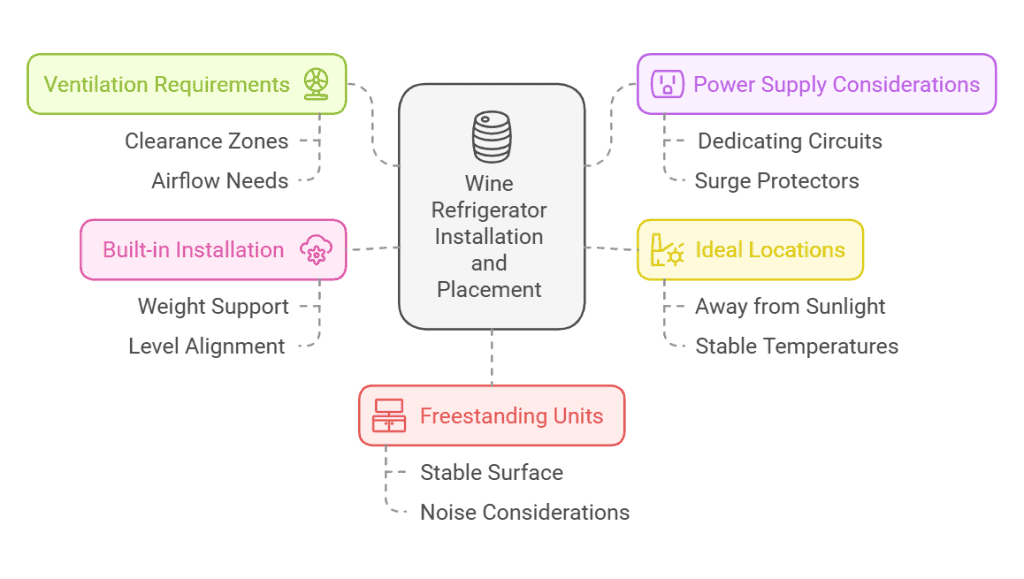
Ventilation requirements are absolutely non-negotiable. I once made the rookie mistake of pushing a freestanding unit too close to the wall, and the poor ventilation led to overheating issues that could have damaged my entire collection. Most units need at least 2-3 inches of clearance on all sides and 4-5 inches at the back for proper airflow. Built-in units are designed differently, with front ventilation, but they still need proper space above and below. I always recommend marking out these clearance zones with tape before installation.
Power supply considerations might seem straightforward, but they’re crucial for long-term performance. I learned this lesson when my first unit kept tripping the circuit breaker because I had it sharing a circuit with other appliances. Wine refrigerators should ideally have a dedicated circuit, especially larger units. I also strongly recommend using a good quality surge protector – it saved my collection during a particularly nasty thunderstorm last summer!
When it comes to ideal locations, avoid places with direct sunlight or significant temperature fluctuations. I made the mistake of installing my first unit near a window, and the extra heat load made the compressor work overtime. The best locations are typically against interior walls, away from heat sources like ovens or dishwashers. I’ve found that basements can be excellent locations, provided they’re not too humid and have proper electrical access.
For built-in installation, precision is key. I always recommend creating a detailed installation plan before starting. Make sure your cabinetry can support the weight of a fully loaded unit – they’re heavier than you might think! One client learned this the hard way when their countertop started sagging after a few months. Always check that the unit is perfectly level during installation, as this affects both performance and door alignment. I use a laser level for perfect results every time.
Freestanding units offer more flexibility in placement, but that doesn’t mean you can put them just anywhere! I’ve developed a checklist for optimal placement: stable, level floor surface; good airflow; consistent ambient temperature; easy access for maintenance; and protection from direct sunlight. I also consider noise levels – while modern units are generally quiet, compressor noise can be noticeable in living areas. My current unit sits in a perfectly ventilated alcove that keeps operational noise to a minimum while maintaining easy access.
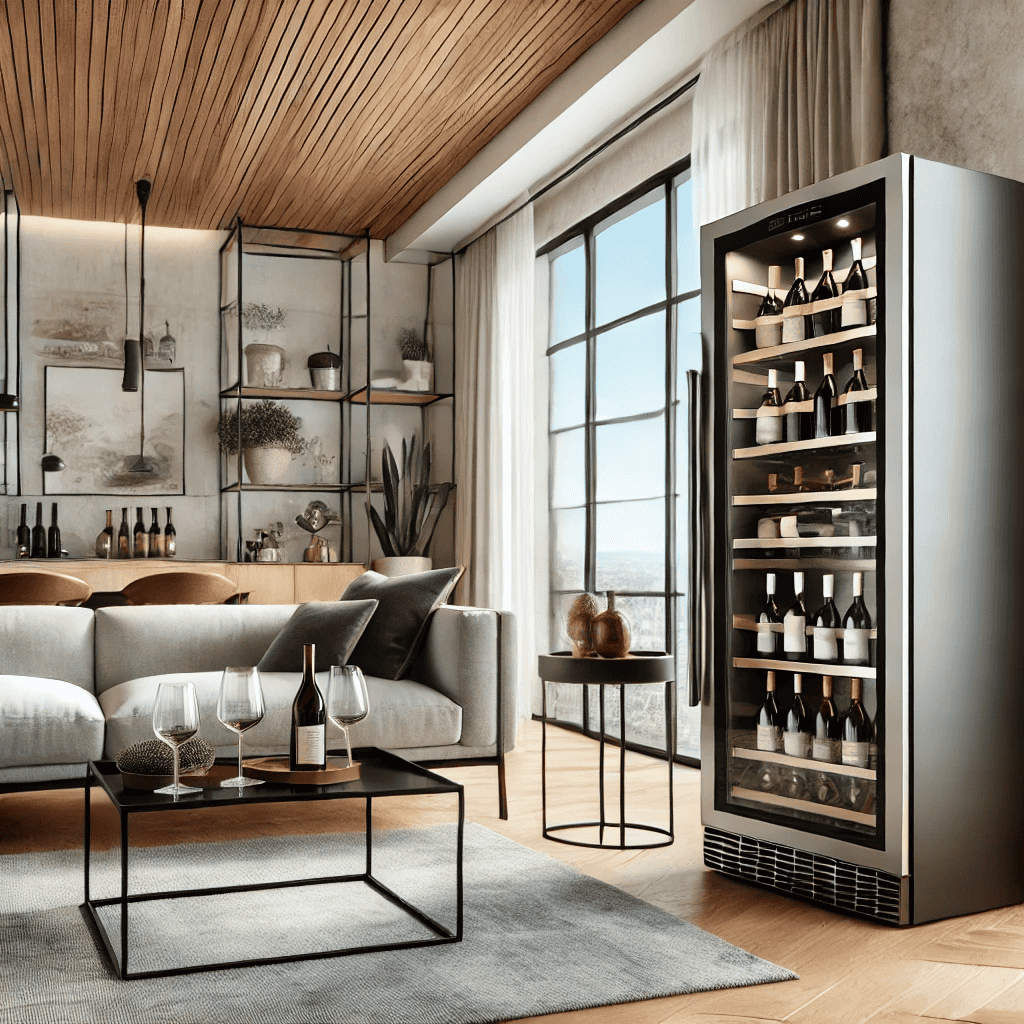
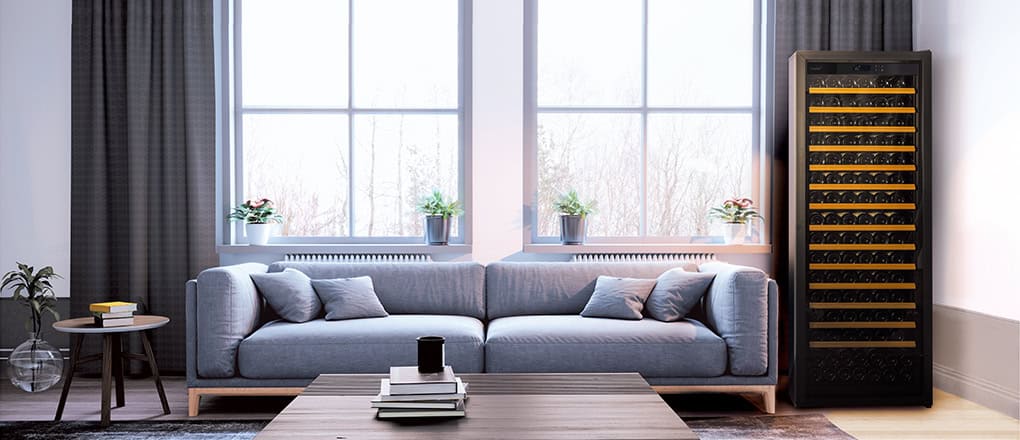
Pro Tip: Floor reinforcement – a fully loaded wine refrigerator’s weight can exceed 1000 Ibs. In my case, I had to reinforce the wooden floor to place a Eurocave Wine Refrigerator with 150 bottle capacity (total weight of around 700 Ibs) in the corner of my living room.
Maintenance and Care
Let me tell you, proper maintenance of your wine refrigerator is absolutely crucial for protecting your collection. I’ve learned this through years of experience – and yes, a few mishaps along the way that I hope you can avoid!
Regular Cleaning
Regular cleaning is more important than you might think. I’ve developed a cleaning routine that keeps my units in top shape. Every three months, I completely empty the refrigerator (a great excuse to inventory my collection!) and clean all surfaces with a gentle solution of warm water and baking soda. Never use harsh chemicals – I made that mistake once and the residual odors affected the wine’s bouquet. Pay special attention to the door seals, as they can collect dust and debris that compromise the unit’s efficiency. I use a soft toothbrush to get into those tricky corners.
Temperature Monitoring
Temperature monitoring has become second nature to me now. I check my digital displays daily and keep a log of any fluctuations. This might seem excessive, but it helped me identify a failing thermostat before it could affect my wines. I also keep a separate thermometer in each zone as a backup – they’ve caught discrepancies between the displayed and actual temperatures more than once. When I notice variations of more than 2°F, I know it’s time for a maintenance check.
Filter replacement
Filter replacement is crucial for maintaining optimal performance. Most units have activated carbon filters that need replacing every 3-6 months, depending on your environment. I learned this lesson the hard way when strange odors started seeping into my unit – turned out the filter was way past its replacement date! I now set calendar reminders and keep spare filters on hand. Pro tip: write the installation date on the filter itself so you never lose track.
Humidity Checks
Humidity checks are essential but often overlooked. I keep a digital hygrometer in my units and aim for 50-70% humidity. When levels drop below 50%, I add a small humidity tray filled with distilled water. Be careful though – I once used tap water and ended up with mineral deposits on my shelves! Too much humidity can be just as problematic, leading to label damage and potential mold growth. I’ve found that checking humidity levels weekly helps maintain the perfect balance.

Troubleshooting
When it comes to troubleshooting, I’ve encountered almost every issue imaginable! Temperature fluctuations often indicate dirty condenser coils or failing door seals. Strange noises usually mean the unit isn’t level or there’s something loose in the fan. If your unit starts consuming more electricity, check the door seal integrity and coil cleanliness first. One time, my unit was working overtime because the door wasn’t sealing properly – a quick adjustment saved both my wine and my energy bill!
Energy Efficiency and Cost Considerations
Over the years, I’ve become somewhat of an expert in managing the energy efficiency of wine refrigerators, and let me tell you, it can make a huge difference in both performance and operating costs!
Understanding energy consumption factors has saved me hundreds of dollars annually. The biggest energy hogs are typically poor insulation and frequent door openings. I learned this lesson when my energy bill jumped significantly after installing my first wine fridge. Now, I pay attention to energy efficiency ratings and insulation quality when choosing units. Modern units with dual-pane glass and LED lighting use significantly less energy than older models. I tracked my energy usage before and after upgrading to an energy-efficient model – the difference was striking!
When it comes to operating cost calculations, I’ve developed a pretty reliable formula. I multiply the unit’s wattage by the hours used per day, then by your local electricity rate. For example, my 100-bottle unit uses about 150 watts and runs roughly 8 hours per day. At $0.12 per kWh, that’s about $52 annually in electricity costs. However, I’ve found that actual costs can vary based on ambient temperature and usage patterns. During summer months, my unit works harder and costs about 20% more to operate.
Energy-saving features have come a long way since my first wine fridge. Look for units with vacation modes, temperature alarms, and door open alerts. My current unit has a smart defrost system that only runs when needed, saving energy compared to timed defrost cycles. LED lighting makes a surprising difference too – I calculated a $15 annual savings just from switching from incandescent to LED! The best feature I’ve found is the door alarm – it has saved me countless times from accidentally leaving the door ajar.
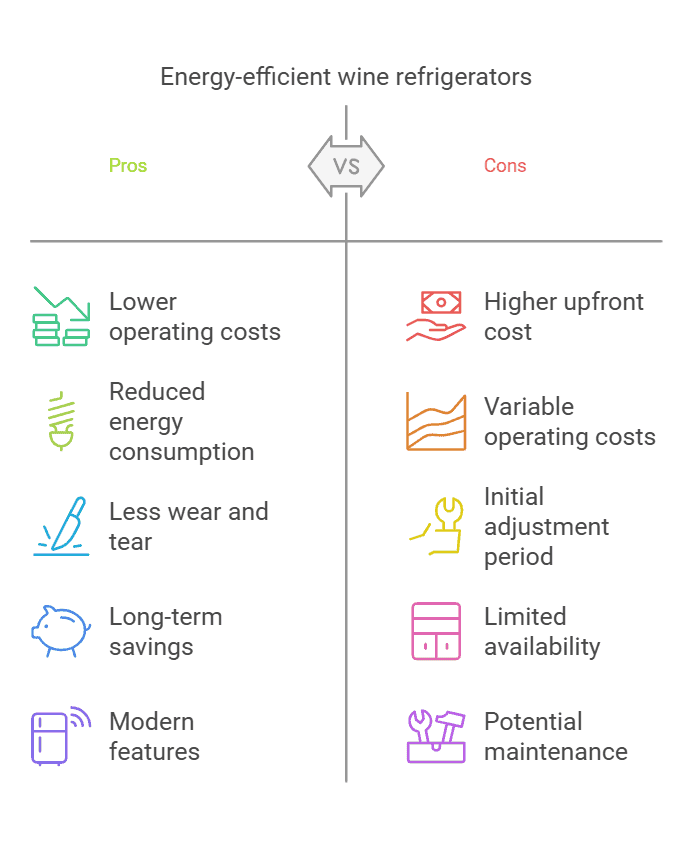
Energy efficiency ratings are crucial indicators of long-term operating costs. I always recommend looking for Energy Star-certified units when possible. While they might cost more upfront, the savings are significant over time. I keep detailed records of my energy usage, and my Energy Star unit uses about 25% less electricity than my previous non-certified model. Pay attention to the EnerGuide rating, too – it’s helped me compare different models more accurately.
The long-term cost benefits of choosing an energy-efficient wine refrigerator are substantial. I calculated that spending an extra $200 on an energy-efficient model saved me about $40 per year in electricity costs – that’s a complete return on investment in just five years! Plus, efficient units typically run less frequently, which means less wear and tear on the compressor and other components. My current unit has been running strong for six years with minimal maintenance costs, while my old inefficient model needed repairs after just three years.
FAQ – Wine Refrigerator Guide
- What’s the ideal temperature for storing red wine? Red wines are best stored between 60-65°F (15-18°C) for optimal aging and taste preservation.
- How long do wine refrigerators typically last? With proper maintenance, a quality wine refrigerator can last 10-15 years.
- Can I store champagne in a wine refrigerator? Yes, champagne and sparkling wines can be stored in wine refrigerators, ideally at 45-50°F (7-10°C).
- What’s the difference between thermoelectric and compressor cooling? Thermoelectric cooling is quieter and vibration-free but less powerful, while compressor cooling offers stronger cooling capabilities but may produce more noise.
- How much does it cost to run a wine refrigerator monthly? Average monthly operating costs range from $5-15, depending on size and efficiency.
- Should I choose a dual-zone or single-zone wine refrigerator? Choose dual-zone if you store both red and white wines, single-zone if you primarily collect one type.
- What’s the minimum clearance needed for proper ventilation? Most units require 2-3 inches of clearance on sides and back for proper airflow.
- Can I store opened bottles in a wine refrigerator? Yes, but they should be properly resealed and consumed within 3-5 days.
- How often should I clean my wine refrigerator? Clean your wine refrigerator every 3-4 months for optimal performance.
- What causes temperature fluctuations in wine refrigerators? Common causes include door seals, frequent opening, and improper ventilation.
- Are built-in wine refrigerators worth the extra cost? Built-in units offer seamless integration and better ventilation, justifying the investment for serious collectors.
- How do I prevent mold in my wine refrigerator? Maintain proper humidity levels and clean regularly with vinegar solution.
- Can I store other beverages in my wine refrigerator? While possible, it’s not recommended as different beverages require different storage conditions.
- What should I do if my wine refrigerator stops cooling? Check power connection, door seal, and ventilation before calling professional service.
- How many bottles can I store in a standard wine refrigerator? Standard sizes range from 12 to 300 bottles, with 50-bottle capacity being most popular.
Conclusion
Investing in the right wine refrigerator is crucial for protecting your valuable collection. We’ve covered everything from basic features to advanced maintenance tips, helping you make an informed decision.
Remember, proper wine storage isn’t just about maintaining temperature – it’s about creating the perfect environment for your wines to age gracefully.
Ready to take the next step in wine preservation? Use this wine refrigerator guide to choose the perfect type for your collection!
Enjoy your new Wine Refrigerator, Cheers!
For your reference, the latest articles by Didi Somm include:
- Best Commercial Wine Coolers – Top Expert Choices For You
- Commercial Wine Cellar Humidity – Best Expert Advice
- Wine Cellar Lighting Options: Latest Insights And Best Guide
- Commercial Wine Racking Systems: All You Need To Know
- Top Commercial Wine Inventory Management Software: All You Need To Know
- Wine Storage Vibration Control: Best Advice For Commercial Storage
Important Notice: The information in this article is for general and public information purposes only. It solely reflects Didi Somm’s or his Staff’s opinion, and no responsibility can be assumed for errors or omissions in the service’s contents. For details, please check the Disclaimer at the bottom of the homepage.