A well-chosen wine fridge can elevate your wine-drinking experience, but here’s the million-dollar question: What temperature should a wine fridge be? This comprehensive guide will unravel the mysteries of wine fridge temperatures, from storage to serving.
Welcome to Didi Somm – let’s raise our glasses and Cheers!
Important Notice: The information in this article is for general and public information purposes only. It solely reflects Didi Somm’s or his Staff’s opinion, and no responsibility can be assumed for errors or omissions in the service’s contents. For details, please check the Disclaimer at the bottom of the homepage.

Takeaways
Keep the Optimal Storage Temperature between 53.6°F and 57.2°F
Maintain Temperature Stability within the Refrigerator
Store Red Wine between 50°F and 65°F
Store White Wine between 45°F and 55°F
Store Champagne/Sparkling Wine between 40°F and 50°F
Aim for a Humidity Level of around 50-80%
Avoid Placing the Refrigerator in Areas Exposed to Direct Sunlight, Heat Sources, or to significant Temperature Fluctuations
The Ideal Wine Storage Temperature
Before we discuss specifics, let’s recap the basics. Wine is a sensitive beverage that is affected by temperature fluctuations, humidity, light exposure, vibrations, odors, etc.
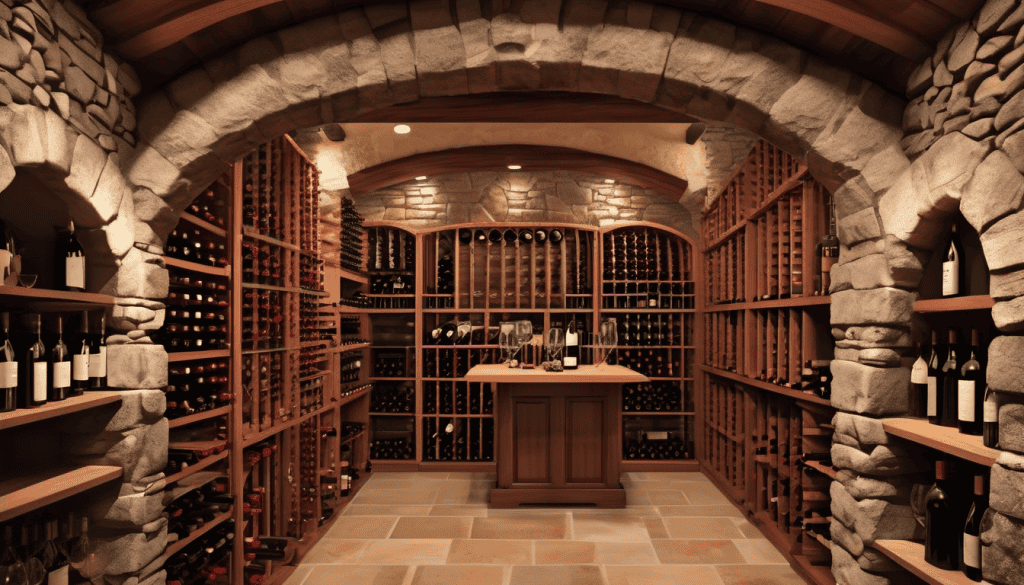
Imagine a traditional wine cellar in Tuscany – the wines aren’t segregated by type, but they all coexist at the same temperature, between 53.6°F and 57.2°F. Please remember that “too cold” stunts maturation, while “excessive warmth” accelerates aging.
The Ideal Storage vs. Serving Temperature – The Temperature “Dilemma”
Here’s where it gets interesting. While storage temperature remains consistent at around 55°F, serving temperatures vary based on the type of wine:
Red Wines: Serve them slightly warmer, around 62°F – 68°F. Move them from storage to a warming-up zone a few hours before serving.
White Wines: Chill them to perfection at 45°F – 55°F.
Champagne / Sparkling Wines: Keep them cool at 40°F – 50°F.
What Temperature Should a Wine Fridge Be Set At?
Single Zone Wine Fridge
If you have a single-zone wine fridge, aim for the sweet spot, 55°F. This accommodates both reds and whites. Remember, consistency is critical.
Dual Zone Wine Refrigerator
With dual zones, you can create a wine “symphony”:
Set one zone at storage temperature (around 55°F).
The other zone? Customize it based on your wine plans – warmer for reds, cooler for whites.
Optimal Humidity Levels
Benefit: Maintain the humidity level between 60% and 70%. This prevents corks from drying out and maintains an airtight seal.
Why It Matters: Dry corks allow air to seep into the bottle, leading to oxidation and undesirable flavors.

Where to Best Place a Wine Fridge?
1. Kitchen or Dining/Living Room Area
Pros:
Convenient access to serving wine during meals.
Fits seamlessly into kitchen cabinetry or dining room decor.
Ideal for short-term storage of frequently consumed wines.
Cons:
Temperature fluctuations due to kitchen activity.
It may not provide optimal conditions for long-term aging.
2. Basement or Cellar
Pros:
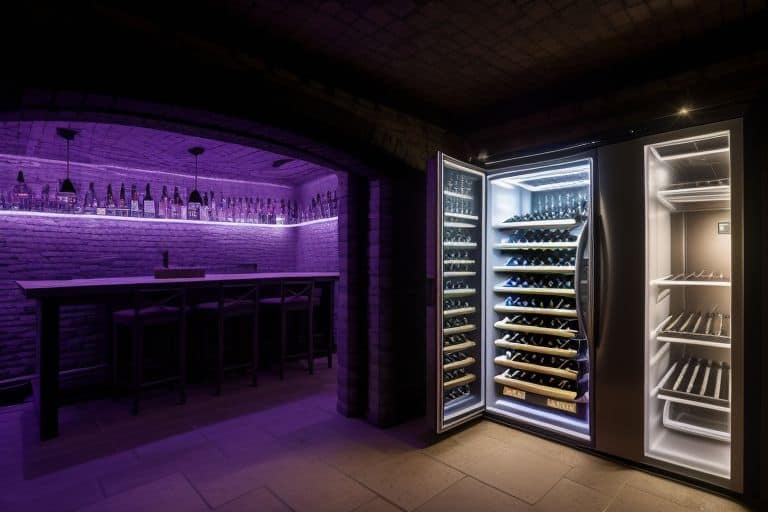
Consistent temperature and humidity levels.
Dark and quiet environment.
Suitable for aging fine wines.
Cons:
Requires a dedicated wine cellar or basement space.
Limited accessibility for everyday use.
3. Balcony or Outdoor Area
Pros:
Expand storage capacity without cluttering indoor spaces.
Fresh air and natural cooling.
Great for entertaining guests outdoors.
Cons:
Exposure to extreme temperatures (especially in hot climates).
Risk of sunlight exposure affecting wine quality.

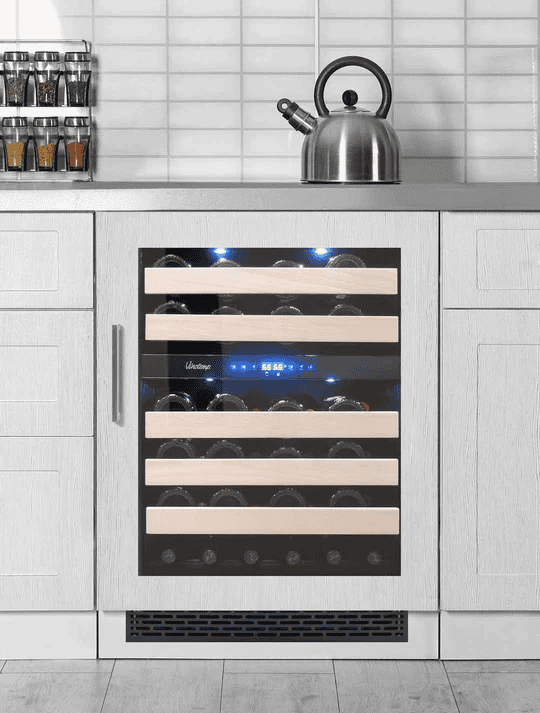
4. Built-in Cabinet or Counter
Pros:
Space-saving solution.
Blends seamlessly with kitchen cabinetry.
Easy access for frequent use.
Cons:
Limited capacity compared to standalone units.
It may require professional installation.

Types of Wine Refrigerators – Let’s Recap Their Pros and Cons
1. Compressor Wine Refrigerators
Pros:
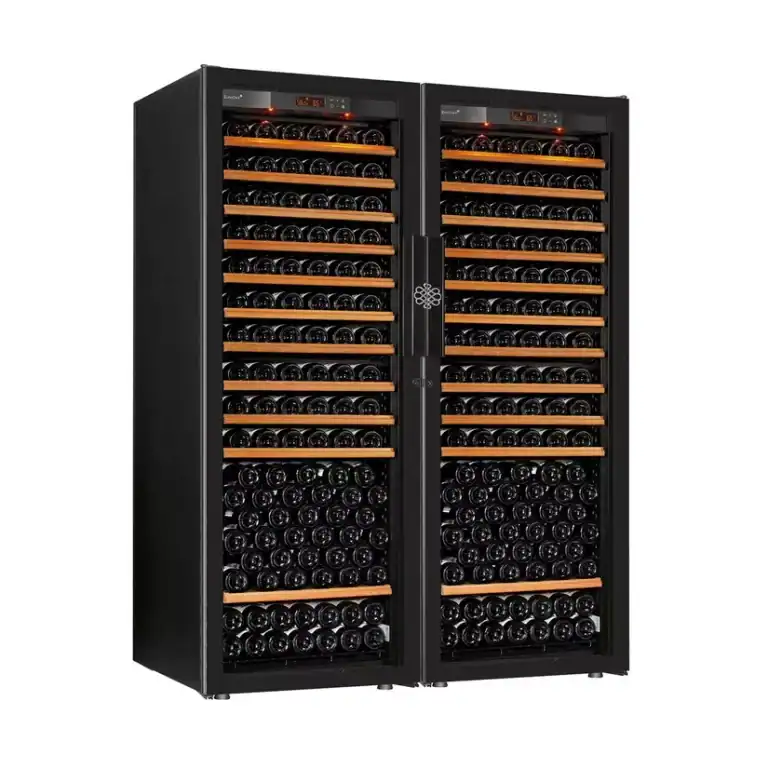
Powerful Cooling: Ideal for larger collections.
Quick Cooling: Rapidly chills wine to serving temperature.
Versatile: Suitable for both short-term and long-term storage.
Cons:
Noise: Compressors can be noisy.
Energy Consumption: Higher energy usage.
Vibration: May disturb sediment in aged wines.
2. Thermoelectric Wine Coolers
Pros:
Energy Efficient: Lower energy consumption.
Quiet Operation: Minimal noise.
Vibration-Free: Gentle on wine bottles.
Cons:
Limited Capacity: Best for smaller collections.
Heat Sensitivity: Less effective in warm environments.
Continuous Operation: Runs constantly.
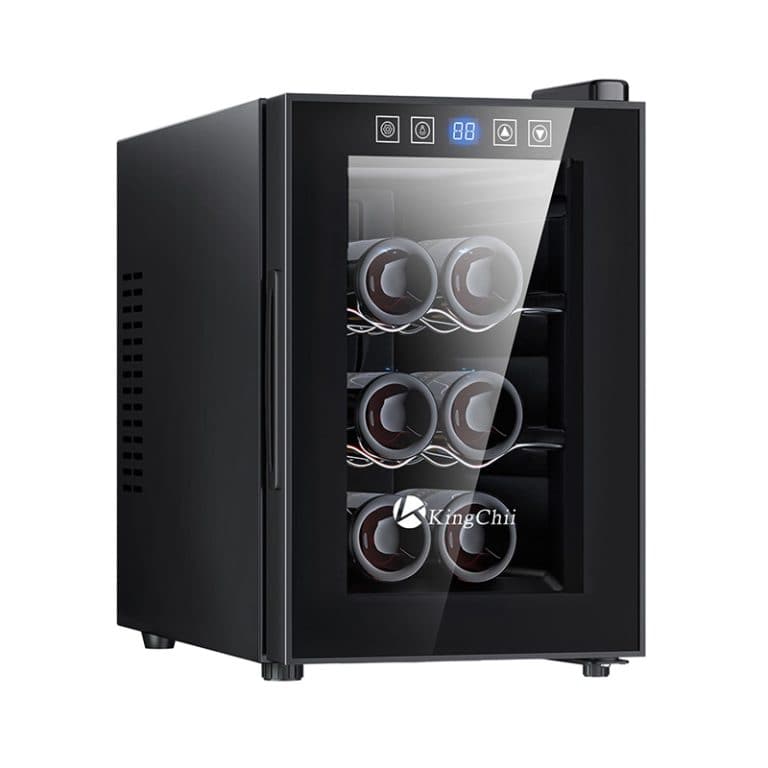
FAQ – what temperature should a wine fridge be?
Q1: Can I store wine bottles in a regular refrigerator?
A: While temporarily storing wine bottles in a regular refrigerator is possible, it’s not ideal for long-term storage. A regular refrigerator is typically set at a lower temperature compared to a wine fridge temperature, which can inhibit the development of wine flavors.
Q2: How do I know if my wine fridge is working properly?
A: Invest in a thermometer designed for wine fridges to monitor the temperature accurately. Additionally, check for any unusual odors or signs of mold, which could indicate a malfunctioning unit.
Q3: Can I store other beverages in my wine fridge?
A: Wine fridges are designed to maintain the optimal temperature and humidity levels for wine storage. While you can store other beverages, such as beer or soda, in a wine fridge, the temperature settings may not be suitable for all types of drinks.
Q4: Can I place my wine fridge in the garage?
A: Avoid it. Garages swing wildly in temperature, jeopardizing your wine’s well-being.
Q5: What about the basement?
A: Basements work if they’re well-insulated and maintain stability. Use a sturdy platform, not the floor.
Q6: Can I stack items on top of the wine fridge?
A: Best not to. Let the fridge breathe – no heavy stacks, please!
Q7: How do I clean the wine fridge?
A: Unplug, remove shelves, and wipe down with a mild water-vinegar solution.
Q8: Is there an ideal temperature for wine storage?
A: Yes, around 55°F. But remember, specific wines may have unique preferences.
Conclusion
The “Seven Essential Tips” and related information outlined in this article hopefully answered your question, “what temperature should a wine fridge be?
To recap, in the world of wine, temperature control is paramount to preserving its quality and flavor. Whether you prefer red, white, or sparkling wine, it is the key to unlocking the full potential of your wine collection.
Finally, we recommend investing in a good-quality wine fridge, e.g. a single zone wine cooler or a dual zone wine fridge, and monitoring the storage conditions regularly to enjoy your wine collection at its finest.
Enjoy your wine journey and Cheers!
For your reference, the latest articles by “Didi Somm” include:
- The Art of Wine Storage: 30 Best Tips to Preserve Your Wines
- Best Wine Refrigerators in 2024
- How to Choose a Wine Cabinet? – 7 Essential Questions Answered
- From Wood to Stone – The Best 5 Wine Cabinet Materials for You
- How to Organize a Wine Cellar? – 9 Best Tips to Organize Your Wine Collection
- Wine Aging Made Easy: How to Use a Wine Fridge in Cellaring?
Important Notice: The information in this article is for general and public information purposes only. It solely reflects Didi Somm’s or his Staff’s opinion, and no responsibility can be assumed for errors or omissions in the Service’s contents – for details, please check the Disclaimer at the bottom of the homepage.