
As someone who loves hosting wine nights with friends, I’ve learned that opening wine isn’t always as straightforward as it seems. In such situations, mastering the art of using a wine opener is crucial. After all, what’s a wine night without the star of the show – a perfectly uncorked bottle?
Over the years, I’ve experimented with various wine openers, from the classic waiter’s corkscrew to the sleek electric models. Each type has its own quirks, and trust me; there’s nothing more frustrating than struggling to remove a stubborn cork while your guests eagerly await their first sip.
That’s why I’ve put together this comprehensive guide on how to use a wine opener. These tips will ensure that you can uncork your favorite bottles with ease and focus on what truly matters – enjoying wine and having a good time with your guests and friends.
Welcome to Didi Somm and Cheers!
Important Notice: The information in this article is for general and public information purposes only. It solely reflects Didi Somm’s or his Staff’s opinion, and no responsibility can be assumed for errors or omissions in the service’s contents. For details, please check the Disclaimer at the bottom of the homepage.
Main Takeaways
Before we go into the nitty-gritty of wine opener techniques, here are the main takeaways:
Understand the different types of wine openers and their strengths.
Prepare the bottle and opener for a smooth uncorking process.
Follow the proper steps for each type of opener.
Practice makes perfect – don’t be discouraged if it takes a few tries.
Safety first – handle openers with care to avoid injuries.
Types of Wine Openers
Not all wine openers are created equal. Understanding the different types and their pros and cons is the first step to becoming a master uncorker. This guide also explores the electric corkscrew, highlighting its convenience and efficiency in settings like banquet rooms and hotel bars.
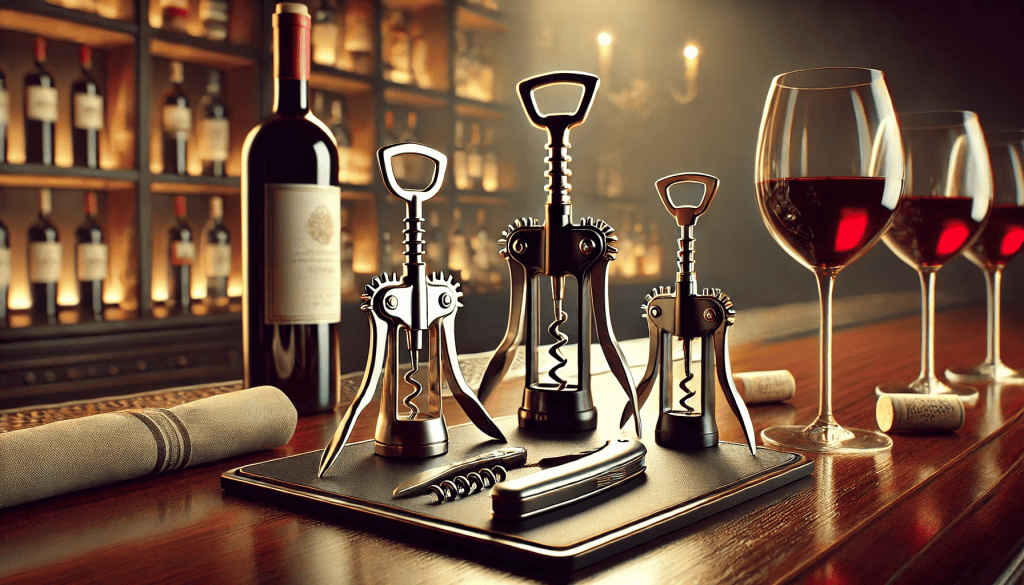
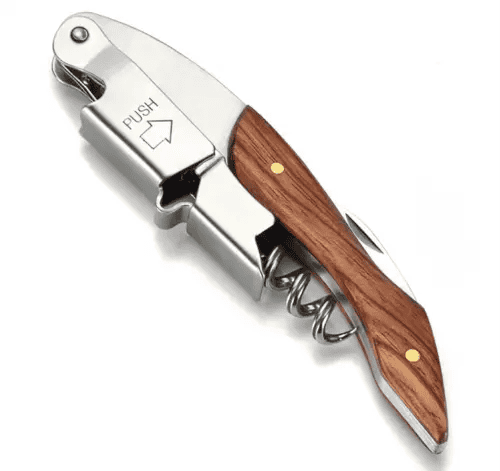
The waiter’s corkscrews, also known as a wine key, are perhaps the most recognizable and widely used openers. Their compact design, portability, and affordability make them a traditional choice for establishments, including a small knife to cut through the foil on a wine bottle as well as bottle cap openers.
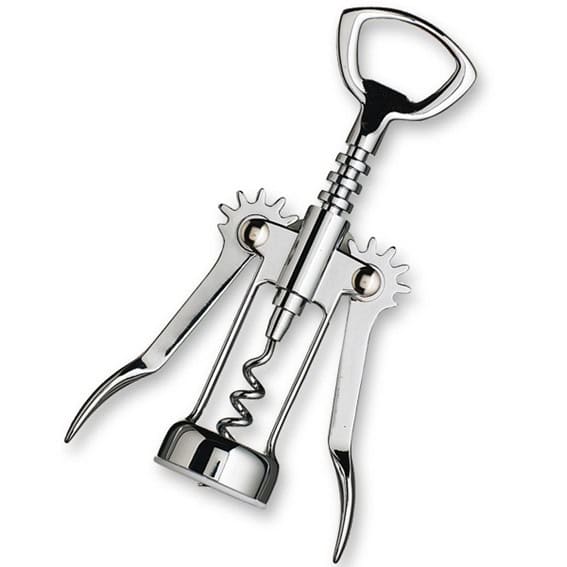
If you are looking for a more effortless experience, the winged corkscrew is a great option. The lever-like design provides additional leverage, making it easier to remove even the most stubborn corks.
Bottle openers like the twin-blade wine opener and pocket corkscrews can be useful when dealing with old or fragile corks. They offer solutions where traditional bottle openers might pose challenges.
Personally, I have used a Swiss Army Knife (by Victorinox) for many years. It is a pocket knife with an integrated wine opener and an especially useful companion for camping and picnic adventures. It is less sophisticated than the elegant waiter’s corkscrews but will do the job. One hint – if the cork is stuck, press/fix the bottle between your feet and gently pull the cork out.

Electric Wine Openers
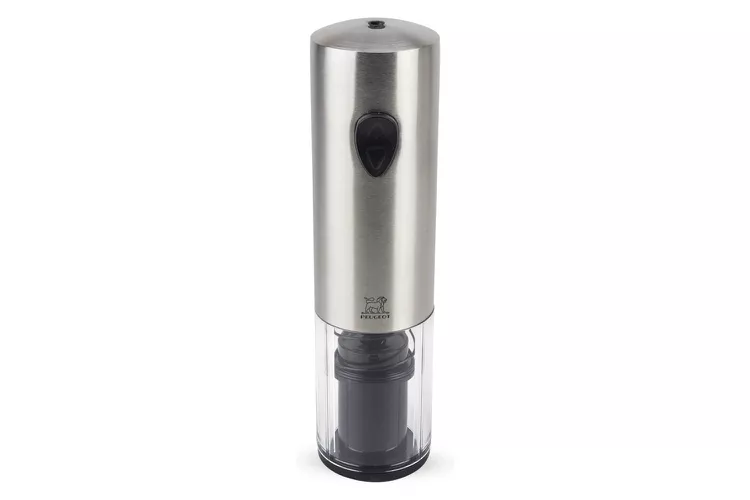
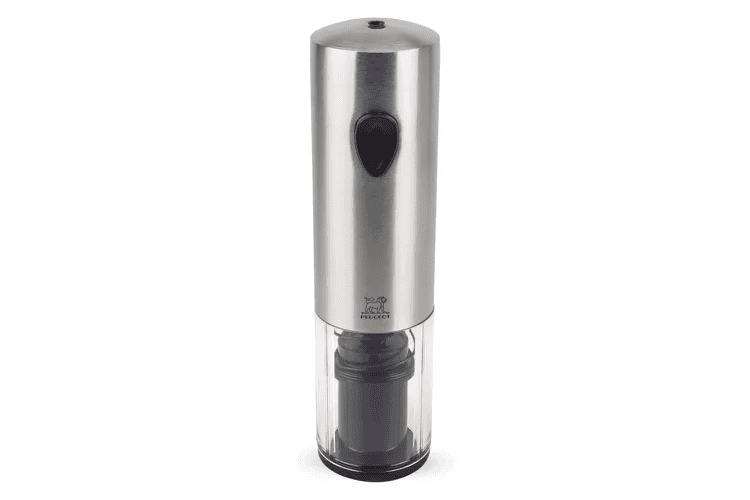
If you’re looking for the ultimate convenience and ease of use, mounted electric corkscrews are the way to go. These nifty gadgets offer additional torque and adjustable penetration depths for partial or full cork extraction. They smoothly remove the cork with the simple press of a button. They are especially beneficial for those with limited hand strength, mobility, or anyone wanting to uncork bottles with minimal effort.
Preparing for Uncorking
There are a few crucial steps to take:
Using a Waiter’s Corkscrew
First, position the small knife, which is essential for cutting through the foil on a wine bottle, at the top to remove the foil. Then, insert the worm at a slight angle and twist it into the center of the cork. Once securely embedded, use the larger lever to work the cork out of the bottle gently. Remember to twist and pull in a smooth, controlled motion – jerky movements can cause the cork to crumble or break.
Mastering the Winged Corkscrew
The winged corkscrew is a game-changer for those who struggle with the traditional corkscrew. To use it effectively, start by positioning the corkscrew over the center of the cork and twisting the corkscrew clockwise until the spiral is fully embedded. Then, simply raise the lever and allow the wings to do their magic, effortlessly extracting the cork from the bottle.
Electric Wine Opener Tips
Electric wine openers are incredibly user-friendly, but there are still a few tips to remember. First, make sure the opener is fully charged or plugged in. Next, position the opener straight over the cork and press the button – no twisting required. As the cork emerges, gently guide it out of the bottle to prevent crumbling or breakage.
Troubleshooting Common Issues
Even with the best techniques, sometimes things don’t go as planned. If you’re struggling to remove a particularly stubborn cork, try gently twisting the bottle (not the opener) to help loosen the cork. If the cork crumbles or breaks, don’t panic! Wine cork removers are specially designed to extract those pesky remnants without compromising the wine.
FAQs – How to use a wine opener?
1. What’s the best type of wine opener for beginners?
A winged corkscrew or electric opener is often the easiest for those just starting their wine journey.
2. Can I reuse a wine cork after opening the bottle?
While it’s possible to reuse corks, they’re not designed for long-term resealing. To preserve an unfinished bottle, it’s best to invest in a quality wine stopper or vacuum sealer.
3. How do I remove a broken cork from a bottle?
Use a wine cork remover or a long, sturdy utensil (like a skewer or chopstick) to extract any remaining pieces carefully.
4. How often should I replace my wine opener?
The lifespan of a wine opener depends on the type and how frequently it’s used. Manual corkscrews can last for years with proper care (my personal experience: “forever”), while electric openers may need to be replaced every few years as the internal mechanisms wear down.
5. Can I use the same opener for synthetic corks?
Yes, most wine openers can handle synthetic corks, but you may need to adjust your technique slightly. Synthetic corks are more rigid, so you’ll want to apply more downward pressure when inserting the worm or spiral.
6. What’s the best way to store a wine opener?
Store your wine opener in a cool, dry place, away from moisture and direct sunlight. For manual corkscrews, consider storing them in a drawer liner or protective case to prevent damage to the blades.
7. How do I clean a wine opener?
Regular cleaning will help your wine opener last longer. Use a soft cloth and mild soap to wipe down the surfaces for manual openers. Electric openers may have removable components that can be rinsed or wiped down.
8. Can I use a wine opener on other types of bottles?
While wine openers are designed specifically for wine bottles, some models may work on similar bottles with cork closures, such as certain liquors or oils. However, it’s best to check the manufacturer’s recommendations to avoid damaging the bottle or opener.
9. What should I do if the cork breaks while opening?
If the cork breaks or crumbles during the uncorking process, carefully use a wine cork remover or a long, sturdy utensil (like a skewer or chopstick) to extract any remaining pieces from the bottle. Be sure to strain the wine when pouring to remove any cork fragments.
10. Can I use a wine opener on bottles with screw caps?
No, wine openers are designed specifically for bottles with cork closures. For screw-capped bottles, simply twist off the cap manually or use a bottle opener if needed.
11. How do I choose the right wine opener for me?
Consider factors such as your strength, dexterity, and personal preferences. Electric openers are great for those with limited hand strength, while manual corkscrews offer portability and affordability. Winged corkscrews provide added leverage, making them a good middle ground.
12. Is it safe to use a damaged or worn-out wine opener?
No, using a damaged or excessively worn wine opener can be dangerous and may result in injuries or damaged bottles. Inspect your opener regularly and replace it if you notice any cracks, dull blades, or other signs of wear and tear.
13. Can I use a wine opener on wine bottles with longer corks?
Yes, most wine openers can accommodate longer corks, but you may need to adjust your technique slightly. For manual corkscrews, you may need to twist the worm deeper into the cork before pulling. Apply gentle downward pressure with electric openers to grip the cork securely.
14. How do I avoid spills when opening a wine bottle?
To minimize spills, open the bottle over a sink or tray to catch any drips. Also, carefully remove the foil or capsule, and consider using a wine stopper or vacuum sealer to preserve any unfinished wine.
15. What’s the proper way to dispose of used wine corks?
Wine corks can be recycled or repurposed in various ways. Consider collecting them for crafting projects or donating them to organizations that recycle corks for charitable causes.
Conclusion
Mastering the art of using a wine opener is a journey that’s well worth the effort. By understanding the different types of openers, following proper techniques, and practicing regularly, you’ll be uncorking bottles like a pro in no time.
In my case, I always volunteered to open the wines at wine tastings and other social gatherings. Such accumulated practice is very useful, especially in cases where the cork breaks and the bottle needs to be rescued.
My personal Tip: To get different corkscrews and wine openers explained, please check the following website, Tasting Table.
So, grab your favorite opener, gather your friends, and open a good bottle of wine.
Enjoy the good times – Cheers!
For your reference, the latest articles by Didi Somm include:
- Wall Wine Rack Ideas – 5 Expert Tips for You
- How Many Calories in a Bottle of Wine? – Find Out Here
- What Wine Goes with Salmon? Discover 11 Expert Tips
- Mini Wine Fridge – Best Selection of up to 18 Bottles
- What Temperature Should Red Wine Be Stored At? – 7 Expert Tips
- Non Alcoholic Wine – 5 “Great Myths” You Must Know
Important Notice: The information in this article is for general and public information purposes only. It solely reflects Didi Somm’s or his Staff’s opinion, and no responsibility can be assumed for errors or omissions in the Service’s contents – for details, please check the Disclaimer at the bottom of the homepage.

