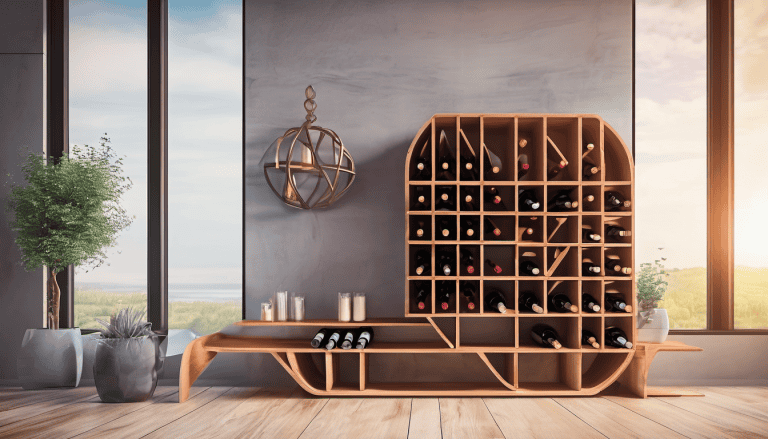
Preserving the quality and flavor of their beloved bottles is an art form for wine enthusiasts. One essential tool in this pursuit is the wine fridge or wine cooler, a specialized appliance designed to create the perfect environment for storing wine.
In this article, we’ll explore the captivating world of wine fridges, answering the question “What is a Wine Fridge?”, demystifying their purpose, and unveiling the “Seven Exciting Steps” to understanding and effectively utilizing them.
Welcome to Didi Somm – let’s raise our glasses and Cheers!
Important Notice: The information in this article is for general and public information purposes only. It solely reflects Didi Somm’s or his Staff’s opinion, and no responsibility can be assumed for errors or omissions in the service’s contents. For details, please check the Disclaimer at the bottom of the homepage.
Benefits of Using Wine Refrigerators – Key Takeaways
Precise Temperature Control
Optimal Humidity Levels
Horizontal Storage for Corked Bottles
Vibration Reduction

Step 1: Understanding the Basics
Before diving into the specifics, let’s clarify some key points:
Storage Temperature: All wines (red, white, sparkling, etc.) should be stored and aged at temperatures between 53°F to 57°F (12°C and 14°C)
Serving Temperatures:
White wines: 45°F to 52°F (7°C and 11°C), depending by Variety
Reds: 58°F to 65°F (15°C and 18°C)
Lighter wines are served colder, and heavier wines are served warmer.
Step 2: Understanding the Importance of Temperature Control
Wine is alive, breathing, and evolving over time, and temperature plays a crucial role in this process. Improper storage temperatures can accelerate the aging process, leading to oxidation, loss of flavor, and even spoilage. A wine fridge maintains a consistent, optimal temperature range between 45°F and 65°F (7°C and 18°C), ensuring your wines age gracefully and maintain their intended characteristics.
Step 3: Humidity Regulation – The Key to Cork Preservation
Humidity is another critical factor in wine preservation. Low humidity levels can dry out corks, allowing air to seep into the bottle and oxidize the wine. A wine fridge typically maintains humidity levels between 50% and 70%, preventing cork shrinkage and ensuring bottles remain properly sealed and protected from oxidation.

Step 4: Vibration Minimization – Protecting the Subtle Nuances
Excessive vibration can disturb the sediment in wine bottles, leading to a cloudy appearance and potential flavor alterations. Wine fridges are designed with vibration-dampening features, such as specialized shelving and compressor systems, to minimize disturbances and safeguard the delicate nuances of your wines.
Step 5: UV Protection – Shielding Your Wines from Light
Exposure to ultraviolet (UV) light can degrade wine over time, causing premature aging and altering the flavor profile. Wine fridges employ UV-resistant glass doors or solid insulation to protect your wines from the damaging effects of light and ensure they maintain their integrity and character.

Step 6: Dual-Zone Temperature Control – Accommodating Diverse Collections
Dual-zone temperature control is a game-changer for those with a diverse wine collection. This feature allows you to maintain separate temperature zones within the same fridge, catering to the distinct storage requirements of red and white wines. By setting different temperatures for each zone, you can ensure your entire collection is stored optimally.

Step 7: How to Place a Wine Fridge and Places to Avoid
Placing a wine fridge is crucial for ensuring its efficiency and preventing damage to the wine collection.
Outdoor areas like balconies, pool areas, and party places should be avoided due to extreme temperature fluctuations, high humidity, sunlight exposure, and the potential for spills and vibrations. These conditions can negatively impact the internal environment of the wine fridge and compromise the quality of the wines.
Specialized Weatherproof Wine Fridges that withstand harsh conditions are recommended for outdoor settings (pictures below and in Step 5 / above).
The ideal location for a wine fridge is a cool, dark, and well-ventilated indoor area away from heat sources, such as a wine cellar, basement, or climate-controlled closet.
Proper placement in a suitable environment is essential to maintaining optimal storage conditions and preserving the wines’ flavors and integrity.

FAQ – what is a wine fridge
1. What is the ideal temperature for storing red wines?
The ideal temperature range for storing red wines is between 55°F and 65°F (13°C and 18°C). This range helps preserve the wines’ complex flavors and tannin structure.
2. How long can I store wine in a wine fridge?
The storage duration depends on the type of wine and your personal preferences. Generally, white wines can be stored for 1-2 years, while red wines can be stored for 3-5 years or longer, depending on their aging potential.
3. Can I store red and white wines in the same fridge?
You can store red and white wines in the same wine fridge. However, if you have a diverse collection, investing in a dual-zone wine fridge is recommended to accommodate their different temperature requirements.
4. Do I need a wine fridge for storing inexpensive wines?
While a wine fridge is not strictly necessary for inexpensive wines intended for immediate consumption, it can still help preserve their flavors and quality for longer.
5. How do I maintain the proper humidity levels in a wine fridge?
Most wine fridges have humidity control systems like water reservoirs or humidifier cartridges. Regularly monitoring and refilling these components can help maintain the desired humidity levels.
6. Can I store open bottles of wine in a wine fridge?
Yes, you can store open bottles of wine in a wine fridge. However, it is recommended that you consume them within a few days to prevent excessive oxidation and flavor degradation.
7. How often should I clean my wine fridge?
It’s recommended that you clean your wine fridge at least once every three to six months. This helps remove spills, dust, or odors that could affect your wines’ quality.
8. Can I use a regular refrigerator for storing wine?
While a regular refrigerator can control temperature, it’s not explicitly designed for wine storage. Regular refrigerators often lack humidity control, vibration dampening, and UV protection, essential for long-term proper wine storage.
9. How do I choose the right size wine fridge for my collection?
Consider the number of bottles you plan to store and any future growth in your collection. Wine fridges come in various sizes, from compact units holding a few dozen bottles to larger models accommodating hundreds of bottles.
10. Can I install a wine fridge under the counter or cabinet?
Many wine fridges are designed for under-counter or built-in installations, allowing seamless integration into your kitchen or wine cellar. However, according to the manufacturer’s instructions, proper ventilation and clearance must be ensured.
Conclusion
Preserving wine’s essence and character is a delicate art; a wine refrigerator is invaluable. Understanding and embracing the five exciting steps outlined in this article unlock the secrets to optimal wine storage, ensuring your treasured bottles maintain their integrity, flavor, and aging potential.
From temperature control and humidity regulation to vibration minimization and UV protection, a wine fridge offers a comprehensive solution tailored to your unique needs – we do hope that your question, what is a wine fridge, could be answered in this article.
For every wine enthusiast, investing in a wine fridge is a testament to the commitment to elevating the art of wine preservation.
Cheers to finding the best wine fridge for you!
For your reference, the latest articles by “Didi Somm” include:
- How to Choose a Wine Cabinet? – 7 Essential Questions Answered
- From Wood to Stone – The Best 5 Wine Cabinet Materials for You
- How to Organize a Wine Cellar? – 9 Best Tips to Organize Your Wine Collection
- Wine Aging Made Easy: How to Use a Wine Fridge in Cellaring?
- What Temperature Should a Wine Fridge Be? – 7 Expert Tips
- Single Zone or Dual Zone Wine Fridge: How to Choose the Best for You?
Important Notice: The information in this article is for general and public information purposes only. It solely reflects Didi Somm’s or his Staff’s opinion, and no responsibility can be assumed for errors or omissions in the Service’s contents – for details, please check the Disclaimer at the bottom of the homepage.