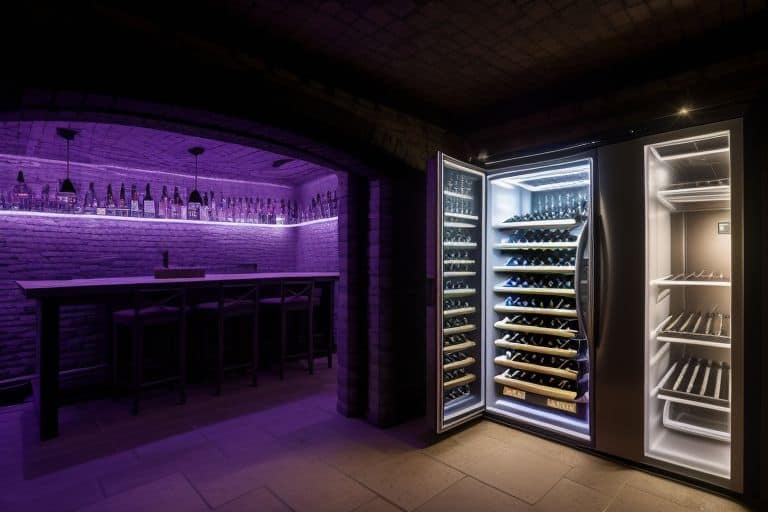
Did you know that the average apartment size in major US cities has shrunk by 16% over the past decade?
Yet, wine consumption continues to rise, with more people wanting to properly store their collections! I’ve spent years helping wine enthusiasts find the perfect storage solutions, and compact wine fridges have emerged as a game-changing solution for small spaces.
Whether you’re living in a cozy apartment or looking to maximize your kitchen space, these innovative appliances offer the perfect blend of functionality and space efficiency.
Welcome to Didi Somm, and Cheers!
Important Notice: The information in this article is for general and public information purposes only. It solely reflects Didi Somm’s or his Staff’s opinion, and no responsibility can be assumed for errors or omissions in the service’s contents. For details, please check the Disclaimer at the bottom of the homepage.
Key Takeaways
- Compact wine fridges typically hold 12-24 bottles while maintaining optimal storage conditions
- Dual-zone options allow storage of both red and white wines at different temperatures
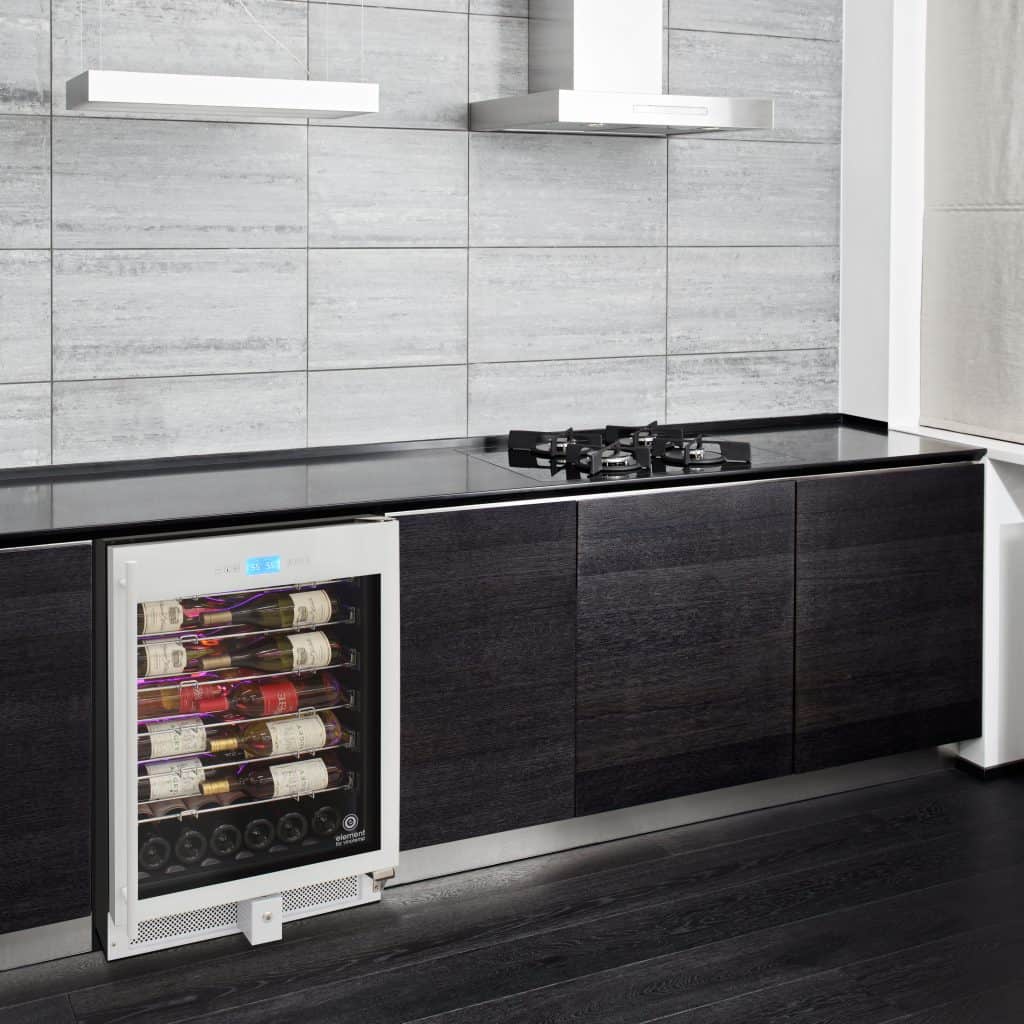
- Built-in and freestanding models offer flexible installation options for any space
- Energy-efficient models can help reduce electricity costs
- Most units feature UV-protected glass doors to prevent wine degradation
Understanding Compact Wine Fridge Basics
Let me tell you, choosing my first compact wine fridge was quite the learning experience!
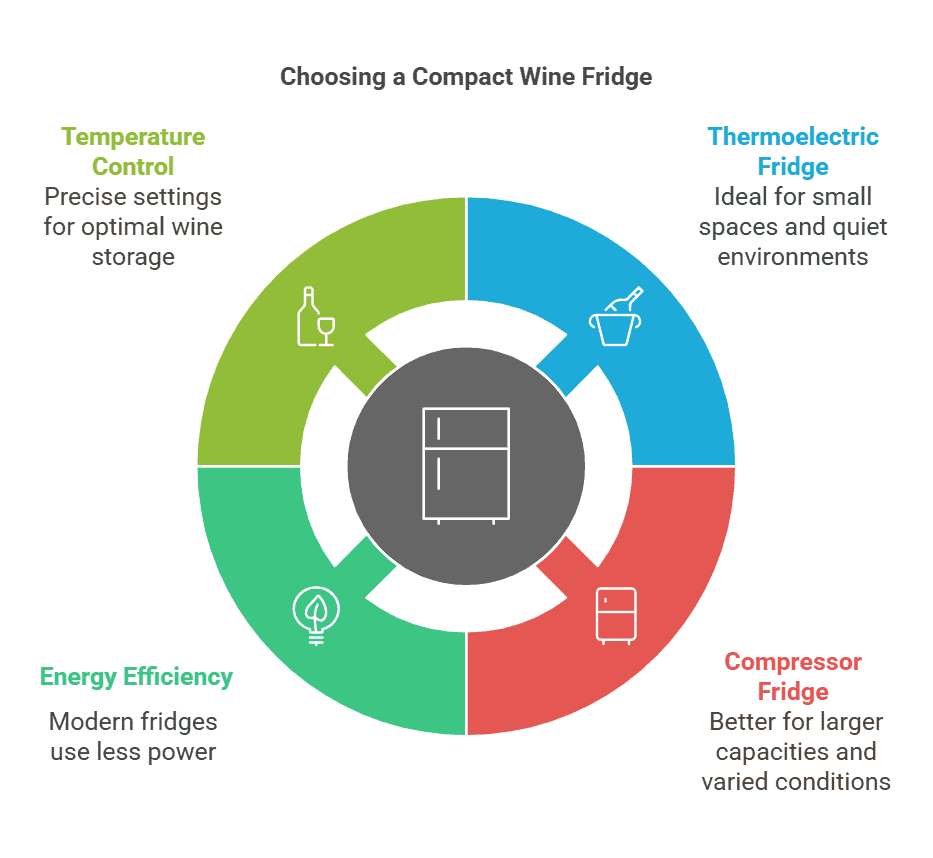
After years of storing wine in less-than-ideal conditions (yeah, I’m looking at you, kitchen cabinet above the stove), I finally decided to get serious about proper wine storage. The game-changer? Understanding the difference between thermoelectric and compressor-based systems.
Trust me, in my small city apartment, my thermoelectric unit has been a blessing – it’s whisper-quiet and doesn’t shake my precious bottles around like a bartender making martinis. Here’s the thing about compact fridges that I wish someone had told me earlier: They’re not just mini versions of regular wine cellars.
These clever units pack some serious technology into their small frames. Through trial and error (and maybe a few temperature mishaps with my favorite Chardonnay), I’ve learned that most compact fridges fall into that sweet spot of 12-24 bottle capacity. Not too shabby for us urban wine enthusiasts! The really cool part?
Modern units are super energy-efficient. My current model uses about as much power as a light bulb – way better than my old energy-hogging first attempt. I’ve gotta say, the precision temperature control on newer models is mind-blowing. You can dial in the exact temperature you want, and these smart little units maintain it like a professional sommelier would.
Just remember, folks – don’t cheap out on the temperature control feature. I learned that lesson the hard way when my budget model turned my prized Pinot into a popsicle!
Affiliate Disclaimer: This page may include Affiliate links, meaning that we get a commission if you decide to purchase through this site at no extra cost to you. Please read our Disclaimer for your info.
Choosing the Perfect Location for Your Compact Wine Fridge
Boy, did I learn some hard lessons about wine fridge placement!
Remember that time I thought tucking my new wine fridge between the dishwasher and oven was a space-efficient idea? Big mistake. HUGE! These days, I’m practically evangelical about proper ventilation – those 2-3 inches of clearance around the unit aren’t just suggestions; they’re absolutely crucial for keeping your wine (and your fridge) happy.
Through my adventures in wine storage, I’ve discovered that finding the perfect spot is kind of like real estate: it’s all about location, location, location! My built-in unit now sits pretty in my kitchen island, and let me tell you, it’s a conversation starter at every dinner party.
But if you’re going the freestanding route (which was my first setup), you’ve got more flexibility with placement. Just please, please learn from my mistakes and keep it away from heat sources and direct sunlight. I once had a beautiful bottle of Bordeaux practically cook itself because I didn’t think about the afternoon sun streaming through my kitchen window.
Pro Tip: Speaking of power, here’s a “pro tip” I picked up after one too many blown fuses: Consider getting a dedicated circuit for your wine fridge. Sure, it might seem like overkill, but it’s way better than having to reset your circuit breaker in the middle of a dinner party!

Essential Features for Small Space Wine Storage
After experimenting with various wine storage solutions over the years, I’ve become something of a features fanatic when it comes to compact wine fridges. Let me share what I’ve learned about the must-have features that really make a difference.
Digital Temperature Controls
First up, digital temperature controls – they’re not just fancy bells and whistles, folks! I remember my old analog unit that had me constantly guessing about temperatures. These days, I can see exactly what’s going on with my wines at a glance.
UV-Protected Glass Door
The UV-protected glass door on my current unit? That’s another game-changer. I used to cover my old fridge with a blanket during sunny days (not exactly a design statement!), but now my wines are protected 24/7.
Humidity Management System
The humidity management system in modern units is absolutely brilliant – no more dried-out corks or moldy labels. And don’t even get me started on dual-zone temperature control! Being able to store my reds and whites at their perfect temperatures in the same compact unit feels like living in the future.
Smart Features
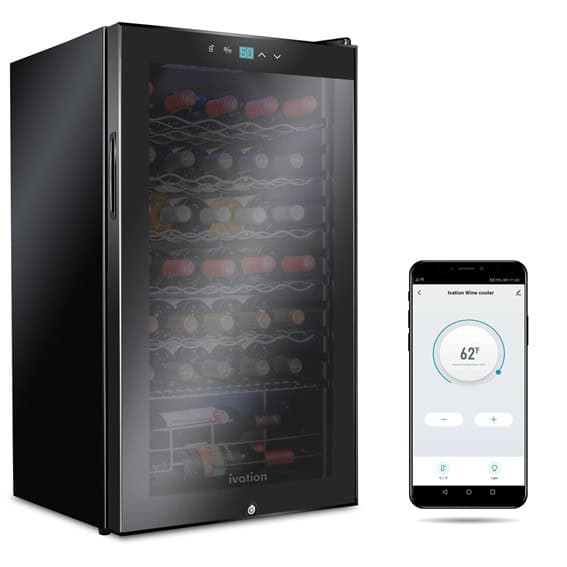
I recently upgraded to a model with smart features, and while I was skeptical at first (who needs their wine fridge to talk to their phone?), being able to monitor temperatures remotely has saved my collection more than once during power outages.
Maximizing Storage in Limited Spaces
Listen up because this is where things get really interesting! After years of playing Tetris with wine bottles in various small spaces, I’ve become somewhat of a storage optimization ninja.
The secret sauce? It’s all about those adjustable shelves, my friends. I remember the frustration of trying to squeeze a champagne bottle into my first rigid-shelf unit – talk about a face-palm moment! These days, my compact wine fridge is like Mary Poppins’ bag, somehow fitting bottles I never thought would work.
The real breakthrough came when I discovered reversible door models. Who knew something as simple as switching the door swing direction could make such a difference in a tight space? I’ve got mine set up in a tricky corner that wouldn’t work with a traditional door configuration.
One of my favorite space-saving tricks involves using angled displays for certain shelves. Not only does this maximize storage capacity, but it also lets me show off some of my favorite labels – perfect for when wine-loving friends come over!
Pro Tip: And here’s a pro tip that took me way too long to figure out: create a bottle placement strategy. I keep my everyday wines on the middle shelves (easy access!), special occasion bottles on top, and my “aging experiments” on the bottom.
| Topic | Details |
|---|---|
| Adjustable Shelves | Allow flexible storage for different bottle sizes; prevents frustration with rigid shelves. |
| Reversible Door Models | Enable door swing direction adjustment, optimizing tight or tricky spaces. |
| Angled Displays | Maximize storage and showcase favorite wine labels for aesthetic appeal. |
| Bottle Placement Strategy | – Everyday Wines: Middle shelves for easy access. |
| – Special Occasion Wines: Top shelves. | |
| – Aging Wines: Bottom shelves. |
Maintenance and Care Tips
If there’s one thing I’ve learned from over a decade of wine storage experience, it’s that a little TLC goes a long way with compact wine fridges. Think of it like maintaining a car – regular check-ups prevent those dreaded breakdown moments.
My monthly cleaning routine has become almost meditative: a gentle wipe-down with a water-vinegar solution keeps everything fresh and prevents any funky odors from developing.
Here’s a mistake I made early on: neglecting the condenser coils. Trust me, dusty coils are like kryptonite to your wine fridge’s cooling powers! Now, I mark my calendar for quarterly coil cleaning, and it’s made a huge difference in performance and energy efficiency.
Temperature monitoring has become second nature – I check the display weekly, just like checking the weather.
Door seals are another crucial element that often gets overlooked. I learned this the hard way when my first unit started struggling to maintain temperature, only to discover a tiny gap in the seal was causing all the trouble. These days, I do the “dollar bill test” monthly: if a bill slips out easily when the door is closed, it’s time for seal maintenance.
The best advice I can give? Don’t wait for problems to develop. I’ve saved countless bottles (and dollars) by catching minor issues before they become major headaches.

FAQ – Compact Wine Fridges
- Q: What’s the minimum space needed for a compact wine fridge?
A: Most compact wine fridges require at least 15-20 inches in width, 20-24 inches in depth, and 25-34 inches in height, plus additional space for ventilation. - Q: How many bottles can a compact wine fridge typically store?
A: Compact wine fridges usually store between 12-24 bottles, though some models can accommodate up to 30 bottles depending on their design and configuration. - Q: Do compact wine fridges use a lot of electricity?
A: Most modern compact wine fridges are energy-efficient, consuming between 100-150 watts on average, comparable to a standard light bulb. - Q: Can I store both red and white wines in a compact wine fridge?
A: Yes, dual-zone compact wine fridges allow you to store both red and white wines at their optimal temperatures in separate compartments. - Q: How long do compact wine fridges typically last?
A: With proper maintenance, a quality compact wine fridge can last 10-15 years, though thermoelectric units may have a shorter lifespan of 5-8 years. - Q: Can I install a compact wine fridge under my counter?
A: Yes, many compact wine fridges are designed for under-counter installation, but ensure you choose a model specifically labeled as “built-in” for proper ventilation. - Q: What’s the ideal temperature for storing wine in a compact fridge?
A: Red wines should be stored at 55-65°F (13-18°C), while white wines are best kept at 45-55°F (7-13°C). - Q: How often should I clean my compact wine fridge?
A: Clean the interior monthly, dust the exterior weekly, and clean the condenser coils quarterly for optimal performance. - Q: Can I place items on top of a freestanding compact wine fridge?
A: It’s not recommended to place items on top of a freestanding wine fridge as this can block ventilation and affect cooling performance. - Q: Do I need a dedicated circuit for my compact wine fridge?
A: While not always required, a dedicated circuit is recommended to ensure stable power supply and prevent overloading. - Q: How noisy are compact wine fridges?
A: Thermoelectric units operate at around 25-30 decibels, while compressor-based models may reach 35-45 decibels – both quieter than a typical refrigerator. - Q: Can I store other beverages in my wine fridge?
A: While possible, wine fridges are specifically designed for wine storage with different temperature ranges than regular refrigerators, making them less ideal for other beverages. - Q: How do I know if my compact wine fridge is working properly?
A: Monitor the digital temperature display, listen for unusual noises, and check that the interior light and cooling system function correctly. - Q: What should I do if my compact wine fridge stops cooling?
A: Check the power connection, ensure proper ventilation, clean the condenser coils, and verify temperature settings before calling for professional service. - Q: Are compact wine fridges worth the investment?
A: For wine enthusiasts with limited space, compact wine fridges offer excellent value by providing proper storage conditions and preventing wine spoilage, making them a worthwhile investment for maintaining wine quality.
Conclusion
Compact wine fridges represent the perfect marriage of form and function for wine enthusiasts working with limited space.
By choosing the right model and following proper installation and maintenance guidelines, you can create an ideal wine storage solution that fits seamlessly into your small space.
Ready to elevate your wine storage game? Explore our recommended models and transform your wine storage experience today – Cheers!
For your reference, the latest articles by Didi Somm include:
- Wine Fridge Vs Regular Refrigerator – Best Expert Guide
- Top 5 Dual-Zone Wine Refrigerators: Best Expert Guide for You
- Best Energy-Efficient Wine Fridges: Get Expert Tips And Advice
- How to Clean Wine Refrigerator: Best Expert Guide
- Best Wine Fridge Temperature Settings: All You Need To Know
- Built-in Wine Refrigerators: All You Need To Know
Important Notice: The information in this article is for general and public information purposes only. It solely reflects Didi Somm’s or his Staff’s opinion, and no responsibility can be assumed for errors or omissions in the service’s contents. For details, please check the Disclaimer at the bottom of the homepage.