Did you know that properly aged wine can increase in value by up to 15% annually?
I’ve spent years testing wine storage solutions, and I can tell you that choosing the right wine refrigerator is crucial for successful aging.
In this article, we are going to discuss from temperature stability to humidity control, explore the best options for preserving your valuable collection, and answer the question about the best wine refrigerators for aging.
Welcome to Didi Somm and Cheers!
Important Notice: The information in this article is for general and public information purposes only. It solely reflects Didi Somm’s or his Staff’s opinion, and no responsibility can be assumed for errors or omissions in the service’s contents. For details, please check the Disclaimer at the bottom of the homepage.
Affiliate Disclaimer: This page may include Affiliate links, meaning that we get a commission if you decide to purchase through this site at no extra cost to you. Please read our Disclaimer for your info.
Key Takeaways
- Dual-zone temperature control is essential for aging different wine varieties
- Look for refrigerators with humidity control between 50-70%
- UV-protected glass doors prevent light damage
- Vibration-free compressors protect wine sediment
- Consider capacity and bottle configuration for collection growth
Essential Features for Long-Term Wine Storage
Let me share what I’ve learned after years of managing wine collections. The key to successful wine aging lies in five critical features that your wine refrigerator must have.
Temperature Stability
Temperature stability is absolutely paramount. The best wine refrigerators maintain a consistent temperature between 53-57°F (12-14°C) with minimal fluctuations. Look for units with advanced recovery systems that quickly adjust after door openings. From my experience, digital temperature controls with ±1°F accuracy are essential.
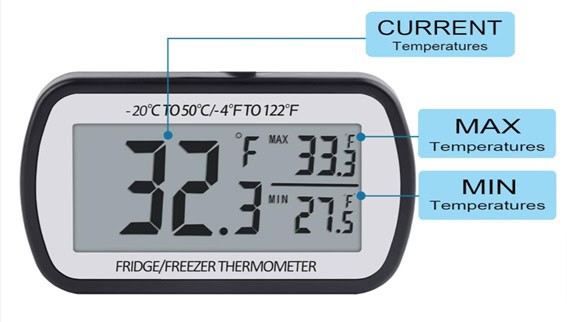
Pro Tip: To efficiently check the temperature in your wine refrigerator, I recommend using the following thermometer, which can be attached to various shelves (hanging or by magnet):
Here’s a quick reference for optimal temperature settings:
| Wine Type | Ideal Temperature |
|---|---|
| Red Wine | 55-57°F (13-14°C) |
| White Wine | 53-55°F (12-13°C) |
| Sparkling Wine | 50-52°F (10-11°C) |
Humidity Control
Humidity control is equally crucial. You’ll want to maintain 50-70% relative humidity to prevent cork shrinkage and wine oxidation. Modern units feature built-in humidity monitoring systems, and some even include water reservoirs for active humidity management.
UV Protection
UV protection is non-negotiable. I’ve seen perfectly good wines ruined by light exposure. Premium wine refrigerators come with UV-resistant double-paned glass or solid doors. If your unit has a glass door, ensure it’s treated with UV-protective coating.
Vibration Control
Vibration control might seem minor, but it’s vital for long-term aging. Compressor-based systems should include vibration-dampening technology to prevent sediment disturbance. The best units mount their compressors on rubber bushings and use high-quality fan motors.
Air Filtration
Finally, air filtration keeps your storage environment clean. Activated carbon filters remove odors and contaminants that could affect wine quality through the cork. Replace these filters every 6-12 months for optimal performance.
Top Wine Refrigerators for Serious Collectors
For serious wine enthusiasts, investing in a premium wine refrigerator is crucial. Let’s explore the top-tier options that deliver professional-grade performance.
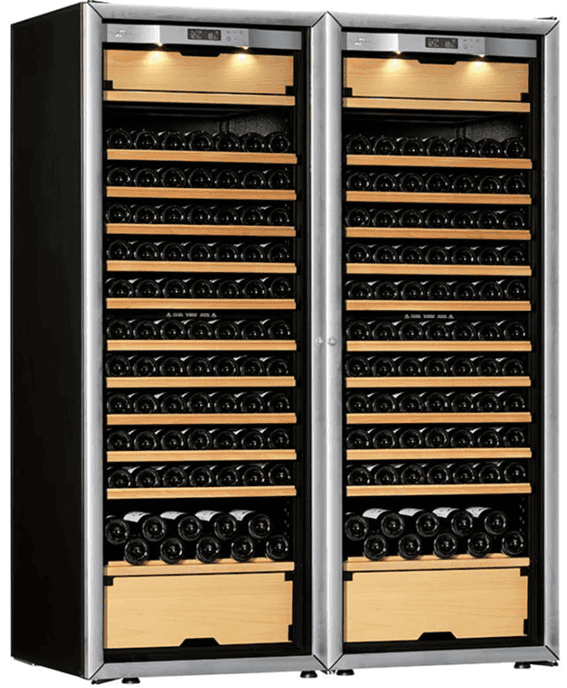
The best large-capacity models offer storage for 200+ bottles with adjustable shelving systems. Here’s a comprehensive comparison of premium features:
| Feature | Professional Grade | Consumer Grade |
|---|---|---|
| Capacity | 200-500+ bottles | 50-150 bottles |
| Temperature Accuracy | ±0.5°F | ±2°F |
| Humidity Control | Active management | Passive system |
| Security | Digital locks, alarms | Basic locks |
| Energy Rating | A++ | A |
Professional-grade cooling systems incorporate dual compressors with independent temperature zones. These systems maintain precise temperature control even in challenging environments. Look for units with commercial-grade components rated for 24/7 operation.
Advanced monitoring features are essential for valuable collections. Premium units offer:
- Real-time temperature and humidity tracking
- Mobile app integration
- Power outage alerts
- Door ajar warnings
- Temperature deviation notifications
Security features protect your investment. High-end models include:
- Dual-authentication locks
- Tamper alerts
- UV-protected glass
- Temperature alarm systems
- Backup power systems
Energy efficiency in premium units is impressive despite their size. Most top models use variable-speed compressors and LED lighting to reduce consumption. Expect annual energy usage between 200-300 kWh for large units.

Mid-Range Options for Growing Collections
Mid-range wine refrigerators offer excellent value for collectors with growing collections. These units balance quality features with reasonable prices, typically ranging from $800-$2,000.
Here’s a breakdown of what you can expect in this category:
| Feature | Entry Mid-Range | Upper Mid-Range |
|---|---|---|
| Capacity | 50-100 bottles | 100-200 bottles |
| Zones | Single | Dual |
| Display | LED | LCD/Touch |
| Shelving | Fixed | Adjustable |
| Warranty | 1-2 years | 3-5 years |

Temperature control systems in this range typically maintain ±2°F accuracy. Most units offer:
- Digital temperature control
- Memory function after power loss
- Dual-zone capability
- Quick temperature recovery
Bottle capacity is adequate for most collectors. Look for:
- Flexible shelf configurations
- Bulk storage areas
- Display shelving options
- Removable racks
Construction quality remains solid with:
- Stainless steel exteriors
- Hardwood shelf faces
- Double-pane glass
- Quality seals and hinges
Warranty coverage typically includes:
- Full coverage first year
- Limited coverage years 2-3
- Compressor warranty 3-5 years
- Optional extended coverage
Pro Tip regarding Wine Insurance: I recommend checking the websites of the following specialized US Wine Insurers, i.e., InsureMyWine or HORTEN, for details.
Installation and Placement Considerations
Proper installation is crucial for optimal performance. Let me share key considerations based on common installation scenarios.
Ventilation requirements:
- Front: 1-2 inches clearance
- Sides: 3-4 inches minimum
- Rear: 4-5 inches for heat dissipation
- Top: 6 inches if not built-in
| Installation Type | Clearance Needs | Power Requirements |
|---|---|---|
| Built-in | Front venting | Dedicated 15A circuit |
| Freestanding | All-around space | Standard 120V outlet |
| Under-counter | Side ventilation | GFCI protection |
Power considerations include:
- Dedicated circuit recommended
- Surge protection essential
- UPS backup for valuable collections
- Proper grounding required
- Circuit load calculation
Climate factors affect placement:
- Avoid direct sunlight
- Keep away from heat sources
- Consider ambient temperature range
- Humidity levels in room
- Air conditioning proximity
Space optimization strategies:
- Corner installations
- Stacking compatible units
- Built-in configurations
- Using dead space effectively
- Future expansion planning
Maintenance and Care Tips
Regular maintenance ensures optimal performance and longevity. Here’s a comprehensive maintenance schedule:
| Maintenance Task | Frequency | Important Notes |
|---|---|---|
| Temperature check | Daily | Log variations |
| Cleaning | Monthly | Use non-abrasive cleaners |
| Filter replacement | 6 months | Check manufacturer specs |
| Seal inspection | Quarterly | Look for wear/damage |
| Professional service | Annually | Complete system check |
Temperature monitoring routine:
- Check displays daily
- Verify with a secondary thermometer
- Document fluctuations
- Calibrate sensors annually
- Monitor recovery times
Cleaning procedures:
- Power down unit
- Remove bottles and shelves
- Clean interior with mild solution
- Dry thoroughly
- Clean door seals
- Vacuum condenser coils
Filter maintenance:
- Replace activated carbon filters
- Clean air intake screens
- Check humidity filters
- Monitor filter indicators
- Keep spare filters on hand
Door seal care:
- Clean monthly with mild soap
- Check for tears/gaps
- Test seal with the paper test
- Apply seal lubricant
- Replace if compromised
Common troubleshooting steps:
- Check power connection
- Verify temperature settings
- Inspect door seals
- Clean condenser coils
- Test display accuracy

FAQ – Best Wine Refrigerators for Aging
- What temperature should I maintain for long-term wine aging?
The ideal temperature range is 53-57°F (12-14°C) for consistent aging. - How long can wines be aged in a wine refrigerator?
Quality wine refrigerators can age wines for 10+ years when properly maintained. - What size wine refrigerator do I need for aging?
Consider your collection size plus 30% growth potential. - Is dual-zone temperature control necessary?
Yes, for aging different wine varieties at their optimal temperatures. - How important is humidity control?
Critical – maintain 50-70% humidity to prevent cork deterioration. - What’s the difference between thermoelectric and compressor cooling?
Compressor cooling offers better temperature stability for aging. - How often should I maintain my wine refrigerator?
Quarterly cleaning and annual professional inspections are recommended. - Can I store opened bottles in an aging wine refrigerator?
Not recommended – use a separate unit for opened bottles. - What’s the optimal bottle position for aging?
Horizontal storage keeps corks moist and maintains seal integrity. - How much should I invest in a wine-aging refrigerator?
Quality aging units typically range from $1,000-$5,000. - Are built-in units better than freestanding models?
Built-in units offer better temperature stability and aesthetics. - What warranty coverage should I look for?
Minimum 3-5 years warranty on cooling system components. - How does light affect wine aging?
UV light can damage wine – choose units with UV-protected glass. - Can I store different wine types together?
Yes, with dual-zone units maintaining separate temperatures. - What’s the energy consumption impact?
Energy-efficient models typically use 100-300 kWh annually.
Conclusion
Your wine collection’s longevity depends on proper storage conditions. A quality wine refrigerator with stable temperature control, appropriate humidity levels, and UV protection is essential for optimal aging.
Consider your collection size, growth plans, and space constraints when selecting a unit. From my personal experience, investing in proper storage now protects your wine’s value and ensures peak enjoyment in the future.
Good luck with your wine collection, and cheers!
For your reference, the latest articles by Didi Somm include:
- Wine Bottle Positioning: Best Expert Advice
- Impact Of Wine Temperature Fluctuations: Best Expert Guide
- Wine Storage Humidity – All You Need To Know
- Wine Cork Types: Best Expert Advice For You
- Wine Fridge Troubleshooting: Best Expert Advice For You
- Wine Fridge Capacity: Get Best Advice To Store Wine Bottles
Important Notice: The information in this article is for general and public information purposes only. It solely reflects Didi Somm’s or his Staff’s opinion, and no responsibility can be assumed for errors or omissions in the service’s contents. For details, please check the Disclaimer at the bottom of the homepage.