
Every wine lover, whether casual drinker or serious collector, is sooner or later confronted with the vital question, “How long does wine last unopened.” From my experience, there is no definite truth to this question, and the volume of information, including myths and misconceptions, surrounding the longevity of stored wines is overwhelming.
In this article, we aim to shed light on the basic factors that determine the lifespan of wine in general, specific types of wine, and related questions, as well as give you some valuable hints and guidelines.
Welcome to Didi Somm – let’s dive in. Cheers!
Important Notice: The information in this article is for general and public information purposes only. It solely reflects Didi Somm’s or his Staff’s opinion, and no responsibility can be assumed for errors or omissions in the service’s contents. For details, please check the Disclaimer at the bottom of the homepage.
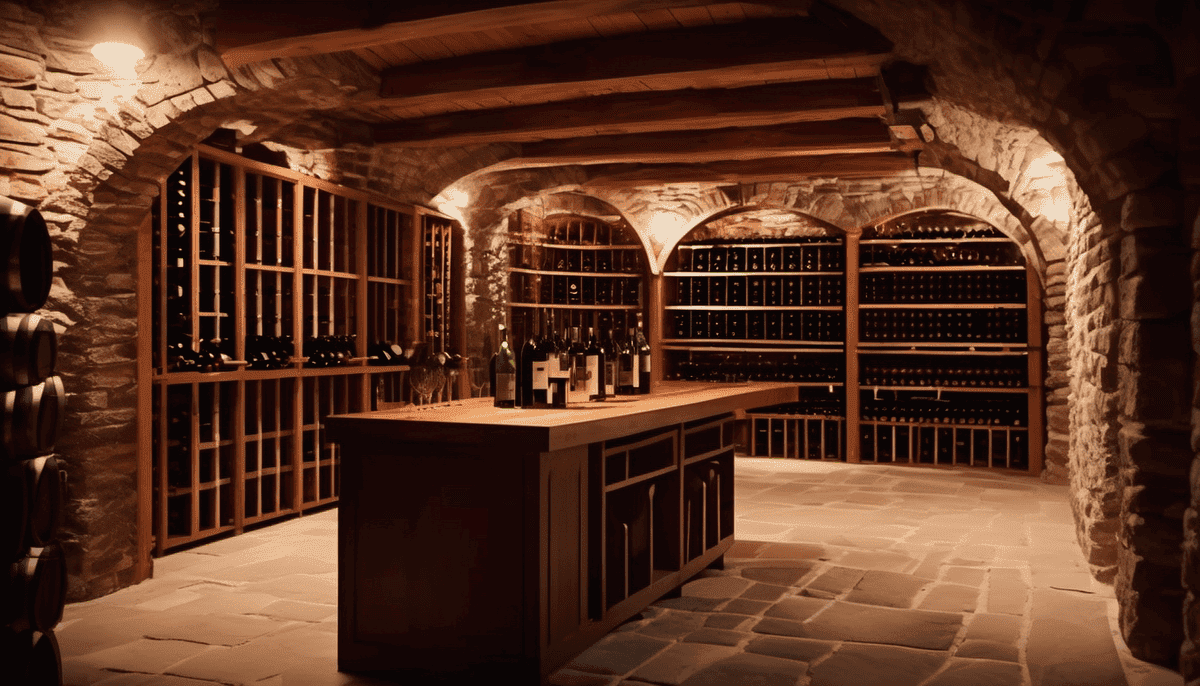
Main Takeaways
Proper storage conditions are essential for prolonging the lifespan of wine.
Red wines generally have a longer shelf life compared to white wines when stored correctly.
Factors like alcohol content, tannin levels, and the integrity of the bottle’s seal (cork) determine its longevity.
Understanding the characteristics of different wine varieties is helpful in determining when your wines should be consumed.
The Importance of Storage Conditions
Storage conditions play an essential role in determining the longevity of your wines. To recap, the “basic rules” for wine storage are:
Rule # 1: Consistent Temperature, 45-65°F, depending on type & storage horizon
Rule # 2: Dark Environment (no light exposure, avoid UV Rays)
Rule # 3: Horizontal Storage of Bottles
Rule # 4: Approx. 70% Humidity Level to maintain Cork Moist
Rule # 5: No Vibrations
Rule # 6: No Strong Odors
The Role of Alcohol Content and Tannins
Wine’s alcohol content and tannin levels protect it from oxidation and other age-related changes. Consequently, when stored properly, wines with higher alcohol content and more robust tannins tend to have a longer shelf life.
The Impact of Bottle Integrity
A compromised seal (cork damage or screw-cap leaks) can allow oxygen to seep in, accelerating the wine’s oxidation and degradation. Proper storage and handling are essential for preserving the wine’s quality.
Varietal Differences in Aging Potential
Different wine varieties have different aging potential. For example, full-bodied red wines, such as Cabernet Sauvignon and Bordeaux blends, often have a longer lifespan than lighter-bodied whites or rosés. Understanding these unique characteristics helps you decide when to consume your wines.
The Complexity of Vintage Considerations
The year the grapes were harvested significantly influences a wine’s longevity, depending on weather conditions during the growing season. You can find out the expected life span of your wines by checking the specific vintage.
Reds vs. Whites: Unraveling the Differences
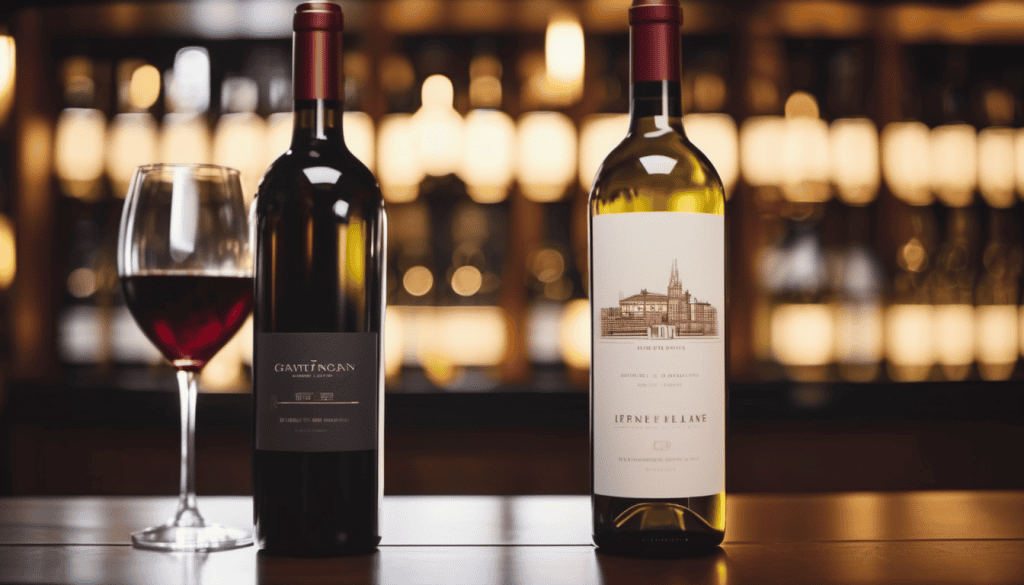
Generally, red wines tend to have a longer shelf life compared to white wines, thanks to their higher tannin and alcohol content. White wines are more susceptible to oxidation and may deteriorate more quickly, especially if not stored properly.
The Aging Potential of Fortified Wines
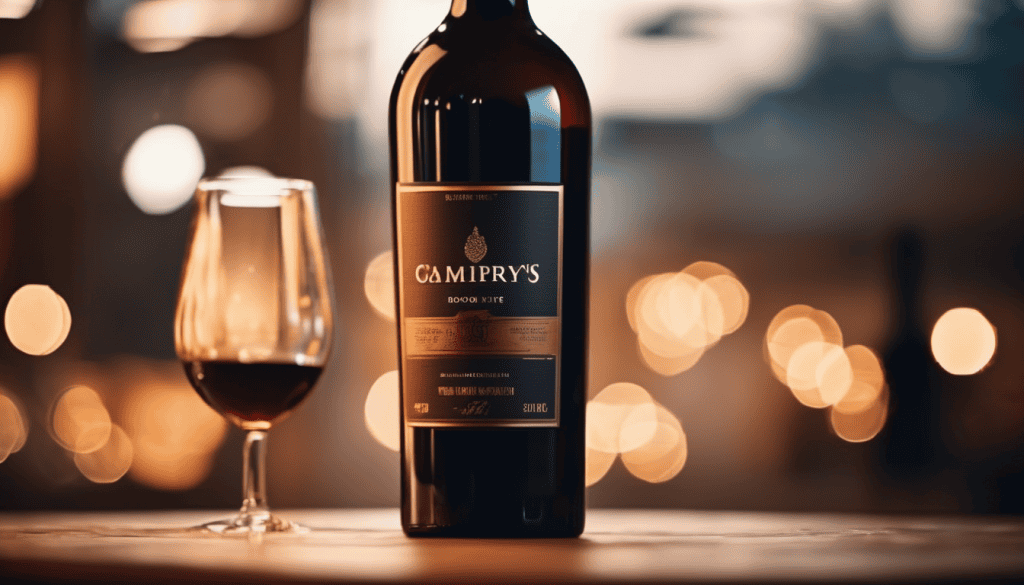
Fortified wines like Port and Sherry are known for their exceptional aging potential. They undergo a unique production process that involves adding distilled spirits, resulting in a higher alcohol content and a more robust structure.
The Impact of Screw Caps vs. Corks
Screw caps are said to create a more reliable and consistent seal compared to traditional cork closures – it is an ongoing debate among industry experts. The consistent quality and availability of screw caps are certainly advantages since high-quality cork, a natural product, is becoming scarce.
Exploring the Nuances of Sparkling Wine
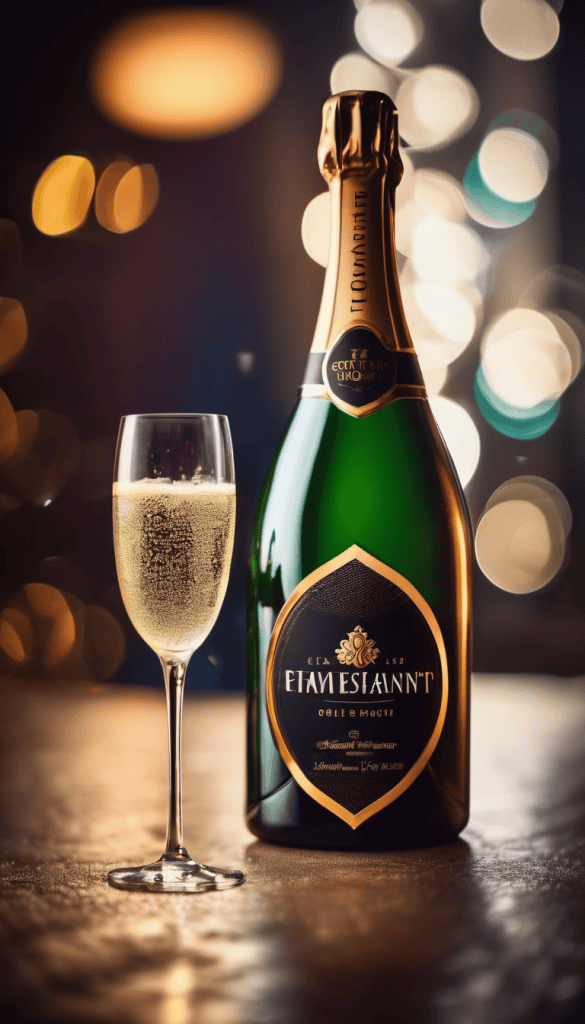
Sparkling wine’s inherent carbonation and delicate nature make it more vulnerable to premature aging. Proper storage and handling are crucial for maintaining their fizz and freshness.
The Surprising Longevity of Dessert Wines
Dessert wines like Sauternes and Ice Wines age well under ideal storage conditions. Their high sugar content and robust structure protect them from oxidation and allow them to develop complex flavors and aromas over time. For further information about this special type of wine, please check the above “links.
FAQ – How long does wine last unopened?
1. How long can red wine be stored?
Red wine can typically be stored for 2-10 years, depending on the specific variety and vintage. Full-bodied reds with high tannin and alcohol content, such as Cabernet Sauvignon and Bordeaux blends, can often be stored for decades.
2. What about white wine – how long does it typically last unopened?
White wines usually have a shorter lifespan when stored unopened than red wines. Most white wines are best consumed within 1-5 years of the vintage, with the exception of some higher-quality whites, which have a life span of 10 years or more.
3. Can I store my wine in the refrigerator for long-term aging?
The refrigerator is not ideal for long-term wine storage because of the low temperature and humidity levels, which accelerate the wine’s aging process. Instead, a wine cellar or wine fridge is the best solution.
4. What are the ideal temperature and humidity conditions for storing wine?
The ideal storage conditions for unopened wine involve a consistent temperature between 55-65°F (13-18°C) and a relative humidity between 60-70%.
5. How can I tell if my unopened wine has gone bad?
Obvious signs include a bulging or seeping cork, a musty or vinegar-like aroma/smell, and a cloudy or discolored appearance.
6. Do screw-cap wines last longer than natural cork-sealed wines?
Screw caps are generally considered to provide a more consistent and reliable seal, which may help extend the wine’s lifespan. On the other hand, properly stored natural cork-sealed wines can age for many years, too – they have been used for centuries. The issue is probably rather the availability of high-quality cork, a natural product.
7. Can I store my wine bottles on their sides or upright?
For long-term storage, wine bottles are stored on their sides, with the cork or screw cap submerged in the wine, preventing air from entering the bottle, which can accelerate oxidation. Upright storage is acceptable for short-term storage only.
8. How does the vintage year affect the longevity of unopened wine?
The year the grapes were harvested significantly impacts a wine’s aging potential, depending on factors like weather conditions during the growing season. Please check the specific vintage of your wines to determine their expected lifespan.
9. Do higher-alcohol wines age better than lower-alcohol wines?
Yes. Wines with a higher alcohol content (typically 13% or more) tend to have a better-aging potential compared to lower-alcohol wines. The higher alcohol content protects the wine from oxidation and other age-related changes.
10. What are the signs that a fortified wine is ready to be enjoyed?
Fortified wines, like port and sherry, can age for decades when properly stored. Signs to consume it include a deep, concentrated color, a complex bouquet of aromas, and a smooth, velvety mouthfeel.
11. How can I tell if my sparkling wine is still fresh and bubbly?
Check for a lively, persistent mousse (foam) and a straightforward “pop” when the cork is opened. If the wine tastes flat or has lost its fizz, it should not be consumed anymore.
12. Can I store my unopened wine in the basement or garage?
It is not recommended, as these areas often have significant temperature and humidity fluctuations. The best storage solution is a dedicated wine cellar or wine fridge.
13. How do I know when it’s the right time to open a particular bottle of wine?
Based on the wine variety and vintage you can find out the expected life span. Now, when to consume it depends on your personal taste preferences. Well-aged wines may offer a different drinking experience than consuming them at a young age.
14. What are some common myths about the longevity of wine?
Some common myths include the belief that all wines improve with age (this is not true for many lighter-bodied wines), that an opened wine bottle can be stored for weeks in the refrigerator (it will typically last only a few days), and that storing wine in the freezer is a good way to preserve it (this can damage the wine).
15. Are there any tips for extending the lifespan of my wine collection?
Providing an ideal storage environment is essential – please see the “6 basic rules” at the top of this article.
Conclusion
To summarize, the longevity of unopened wine is a complex and fascinating topic. Numerous factors influence the wine aging process—some can be influenced, some not. To maximize the lifespan of your wine collection and decide when specific wines should be consumed, it is important to have a basic knowledge of the characteristics of different varietals and of proper storage conditions.
And then, my advice is to “try to experiment” and discover new territory. I recently opened a 10-year-old “Chasselas” (white wine) stored in my EuroCave, which was a delight – the “recommended maturity was 3-4 years” – and this is not my first such experience.
Enjoy your wine collection, and Cheers!
For your reference, the latest articles by “Didi Somm” include:
- Thrilling Showdown: Wine Fridge vs Beverage Fridge – Find Out Here
- Preserve the Richness: How to Store Port Wine for Longevity & Flavor
- Elevate Your Wine Game In 2024: Top Contenders For The Best Wine Cooler Of The Year
- What is a Wine Cooler? 7 Expert Reasons For You To Get One
- Vintage Visions: 9 Amazing Wine Cellar Ideas for You
- How many Glasses of Wine in a Bottle? 7 Expert Insights for You
Important Notice: The information in this article is for general and public information purposes only. It solely reflects Didi Somm’s or his Staff’s opinion, and no responsibility can be assumed for errors or omissions in the Service’s contents – for details, please check the Disclaimer at the bottom of the homepage.

